Heat loss
Why are my heating bills so high?
Heating bills are high when a house loses heat faster than the heating can comfortably replace it, and energy prices then multiply that loss. In older homes the biggest leaks are usually uninsulated walls and roofs, draughts and poor heating controls, so two similar houses on the same street can have very different bills.

Wojtek Pankowski, Retrofit AssessorUpdated 1 October 2026 · 7 min read

On this page 8 sections
- Why are my heating bills higher than my neighbour's?
- Where does the heat go in a typical house?
- How can I estimate the heat lost through my walls?
- Why does my house still feel cold when the heating is on?
- What should I fix first to cut my heating bills?
- Is wall insulation worth it for the savings alone?
- Will a new boiler or heat pump fix high heating bills?
- How do I find out where my house is losing heat?
Why are my heating bills so high?
Your bill is roughly how fast your house loses heat, multiplied by how long you heat it and the price per unit. Older homes with solid or uninsulated walls, thin loft insulation and draughts lose heat quickly, so the boiler runs longer to keep up. Fix the cheap leaks first, then the walls.
Why are my heating bills higher than my neighbour's?
Usually because your house leaks heat faster, not because you heat it differently. Energy prices affect everyone on the street equally; what differs is the building and how the heating is controlled.
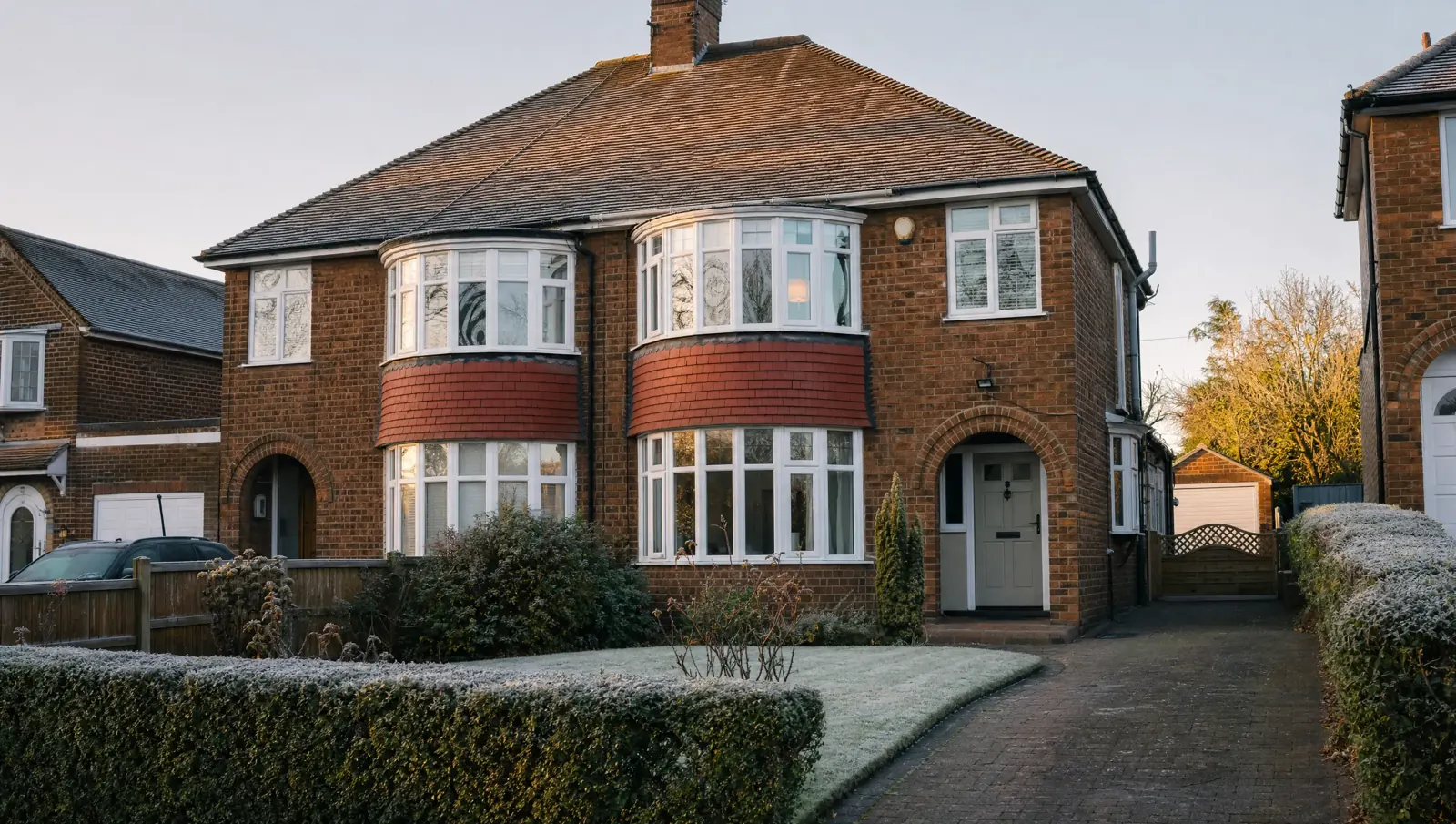
Around Sutton Coldfield and Walsall you can find a 1930s semi with filled cavities and 270mm of loft insulation next to one with solid walls, an empty bay panel and 50mm of old loft quilt. Same street, same weather, same family habits, and one bill can be far higher than the other.
Where does the heat go in a typical house?
In an uninsulated house the walls are usually the largest single route, followed by the roof. The split below is a commonly quoted rough guide for an older house with no insulation; your own home will differ.
| Route | Rough share of heat lost | Typical fix |
|---|---|---|
| Walls | about 35% | Cavity fill, or internal or external insulation for solid walls |
| Roof | about 25% | Loft insulation to around 270mm |
| Draughts | about 15% | Draught-proofing doors, windows, floors, loft hatch |
| Floor | about 15% | Suspended floor insulation, sealing gaps at skirting |
| Windows | about 10% | Better glazing, lined curtains, secondary glazing |
Walls come top because there is so much of them. A three-bedroom semi can easily have 50 to 70 square metres of external wall once the windows are taken out.
How can I estimate the heat lost through my walls?
You can get a rough figure with one simple formula: heat loss equals the U-value, times the wall area, times the temperature difference. The U-value measures how easily heat passes through a wall, in watts per square metre for each degree of difference.
A 225mm solid brick wall has a U-value of about 2.1. On a 0°C night with the room at 20°C, each square metre loses about 42 watts. Across 50 square metres that is 2,100 watts, about the same as two 1kW fan heaters running non-stop just to cover the walls.
For a whole winter, a rough rule is U-value × area × 48, which uses a typical 2,000 heating degree days for this part of England. For 50 square metres at U 2.1 that gives about 5,000 kWh of heat a year. At U 0.6, after insulation, it is about 1,440 kWh. Multiply the difference by your gas unit rate from your bill, allowing for your boiler losing roughly 10% to 15%. It is an estimate, not a promise, but it shows the scale.
Why does my house still feel cold when the heating is on?
Because the walls stay cold even when the air warms up, and your body loses heat to cold surfaces. This radiant heat loss makes a room at 20°C feel closer to 18°C when you sit next to a cold external wall.
The natural response is to turn the thermostat up, which is exactly what drives the bill higher. Each extra degree adds several per cent to your heating use, and the cold wall still does not feel warm. My guide on why a house feels cold explains this in more detail.
What should I fix first to cut my heating bills?
Start with the cheapest measures that stop the most heat, then work up to the bigger jobs. This is the order I would suggest to a friend:
- Draught-proofing: brush strips on doors, seals on windows, a sealed and insulated loft hatch, covers on unused chimneys (with some ventilation left).
- Loft insulation: top it up to around 270mm if it is thinner.
- Heating controls: a programmer, a room thermostat and working radiator valves, so you heat rooms only when you use them.
- Boiler settings: many condensing boilers run more efficiently with a lower radiator flow temperature, often around 60°C. Ask your heating engineer.
- Walls: cavity wall insulation if you have empty cavities, or internal or external insulation for solid walls.
- Windows: replace failed double glazing or add secondary glazing.
Wall insulation sits lower on the list only because it costs more, not because it matters less. In a solid-walled house it is often the biggest remaining leak.
Worth knowingLeaving the heating on low all day does not usually save money compared with heating only when you need it. In most homes, heating on a timer uses less energy. The exception is a very cold, damp-prone house, where letting rooms drop right down for long periods can make condensation worse.
Is wall insulation worth it for the savings alone?
Honestly, not always. Insulating a solid wall costs real money, and the payback from bill savings alone can take many years. Most people who go ahead do it because a room is cold, uncomfortable or growing mould, and lower bills are a welcome extra.
My internal wall insulation starts from about £2,000 per wall. In the 1930s bedroom case study the calculated heat loss through the main wall fell by about 71%, but that is the wall, not the whole bill. It makes most sense when you are redecorating anyway, when a room is unusable in winter, or when mould keeps returning.
If your household is on certain benefits or a low income, check whether you qualify for ECO4 grant funding before paying privately.
Will a new boiler or heat pump fix high heating bills?
A new heating system makes the heat you buy cheaper to produce, but it does not stop the house losing it. If an old boiler is failing, replacing it can help. If the house is leaking heat through its walls and roof, a new boiler simply loses heat more efficiently.
This matters even more with heat pumps. They work best at low radiator temperatures, which only keep a room comfortable if the walls, roof and draughts are under control. A cold, solid-walled house often needs bigger radiators or better insulation before a heat pump can keep it warm without high running costs. That is why the usual advice, and mine, is fabric first: reduce the heat loss, then size the heating to the improved house.
Whatever system you have, have it serviced and the radiators balanced. An unbalanced system heats the rooms nearest the boiler and leaves the far bedrooms cold, which feels like a building problem but is not. My guide to cold rooms helps you tell the two apart.
How do I find out where my house is losing heat?
Start with what you can already see and feel, then get a proper assessment. Useful clues include:
- Your EPC on the government register, which lists wall, roof and window types and suggested improvements.
- Rooms that take ages to warm up and cool quickly once the heating goes off.
- Walls that feel cold to the back of your hand on a frosty morning.
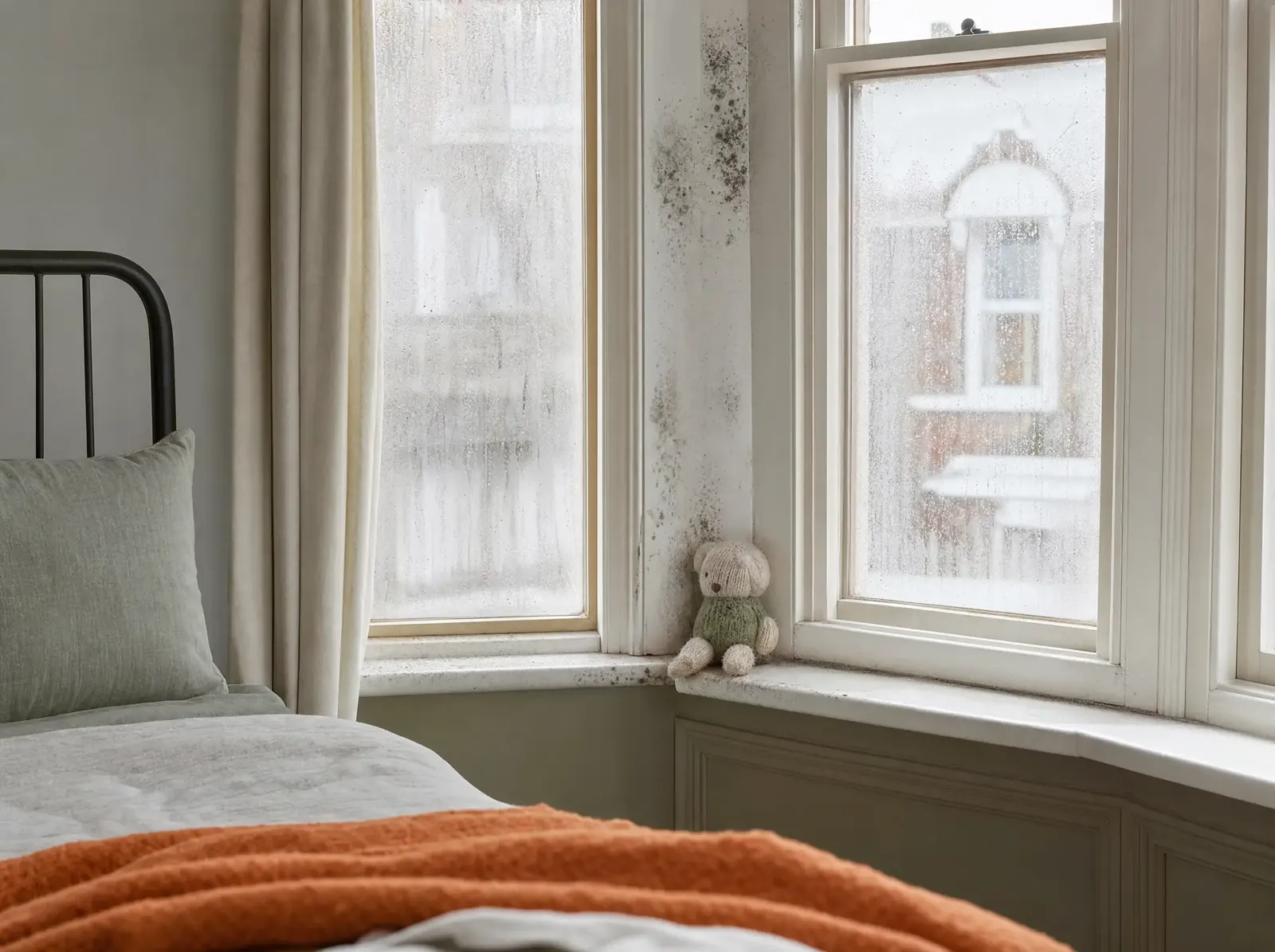
- Condensation and mould, which show you where surfaces are coldest.
- A thermal camera on a cold, still evening, which shows the leaks as colour.
As a Domestic Energy Assessor and Retrofit Assessor I look at the whole house during a free home visit, including the rooms you do not ask about, and tell you honestly which measure will make the most difference first. If your house is Victorian or older, read insulating a Victorian home too.
Common questions
How much can wall insulation cut my heating bill?
It depends on how much of your heat goes through the walls, how you heat the house and your energy prices. Insulating a solid wall can cut the heat lost through that wall by well over half, but the saving on the total bill is smaller because heat also escapes through the roof, floor, windows and draughts. I give wall heat loss figures, not guaranteed bill savings.
Is it cheaper to leave the heating on all the time?
For most homes, no. A house loses heat faster when it is warm, so keeping it warm around the clock uses more energy overall than heating on a sensible timer. In a cold, damp-prone house avoid long periods with rooms very cold, but a timer and room thermostat are still the most economical way to run most systems.
Should I insulate the loft or the walls first?
Usually the loft, because topping it up to around 270mm is cheap, quick and cuts a lot of heat loss. Then deal with the walls. The exception is a specific room that is cold or mouldy because of its walls, such as a bay bedroom, where treating that room first makes the biggest difference to how you live in the house.
Will new windows reduce my heating bills?
Replacing failed or single glazing helps, and new windows cut draughts. But windows are a smaller share of heat loss than walls or the roof in most houses, so the saving is often less than people expect. If the windows are sound, draught-proofing and good curtains may be the better value, with the money put towards the walls.
Can I get a grant for wall insulation?
Possibly. The ECO4 scheme funds insulation for eligible households, mainly those on certain benefits or low incomes, through energy suppliers and their installers. It is worth checking before paying privately. I work with homeowners who want the work designed around their particular walls and finished to a high standard, and I am happy to talk through both routes honestly.