
Internal wall insulation · Cannock
Internal wall insulation in Cannock.
Much of Cannock Chase grew with coal mining, and plenty of the older miners' houses and terraces still have solid walls that never warm up. I insulate them from the inside, starting with a free home visit to check the wall, damp and ventilation.
Free home visit. Written quotation. No pressure.
Rated 5 out of 5 on Google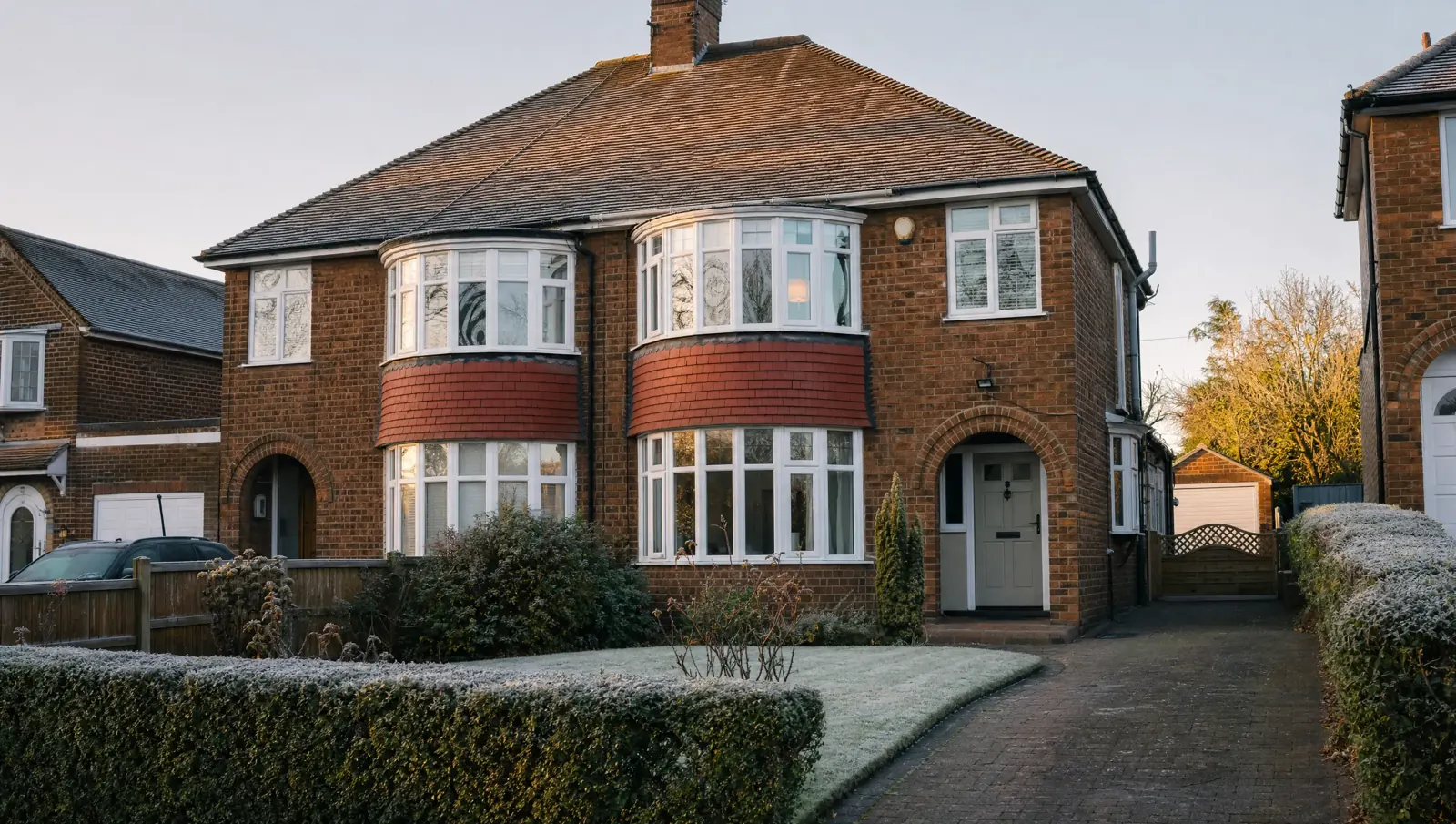
 Wojtek, Retrofit AssessorAssesses, designs and fits every job himself
On this page 7 sections
- What kind of homes are common in Cannock?
- Why do older Cannock terraces feel so cold?
- What causes mould on the gable wall of an end terrace?
- My house has had damp treatments before. Does that matter?
- What about post-war homes in Cannock?
- Can I insulate my Cannock home one room at a time?
- How does a Cannock job run?
Do older Cannock houses need internal wall insulation?
Many do. Terraces and cottages built for the mining industry around Cannock, Hednesford, Heath Hayes and Norton Canes before 1914 usually have solid brick walls with no cavity. Internal insulation makes those walls warmer to the touch, reduces heat loss and helps prevent condensation and mould on cold surfaces.
What kind of homes are common in Cannock?
Cannock Chase's housing follows its mining history. Hednesford grew rapidly in the second half of the 19th century as pits opened, and many houses in Heath Hayes and Norton Canes were built between about 1890 and 1914 for mining families.
Between the wars, council estates were built at places such as Pye Green and Green Heath, and more estates followed after the Second World War. So a Cannock street might be solid-walled terraces, early semis or later cavity-walled homes, sometimes within a short walk of each other.
Why do older Cannock terraces feel so cold?
Mainly because a single thickness of solid brick lets heat through far more easily than a modern insulated wall. The inside surface stays cold, and cold surfaces make you feel cold even when the air is warm.
End-of-terrace houses have it worse, with a whole gable wall exposed. Rear kitchens and bathrooms in back additions are another common problem, with several outside walls and a lot of steam.
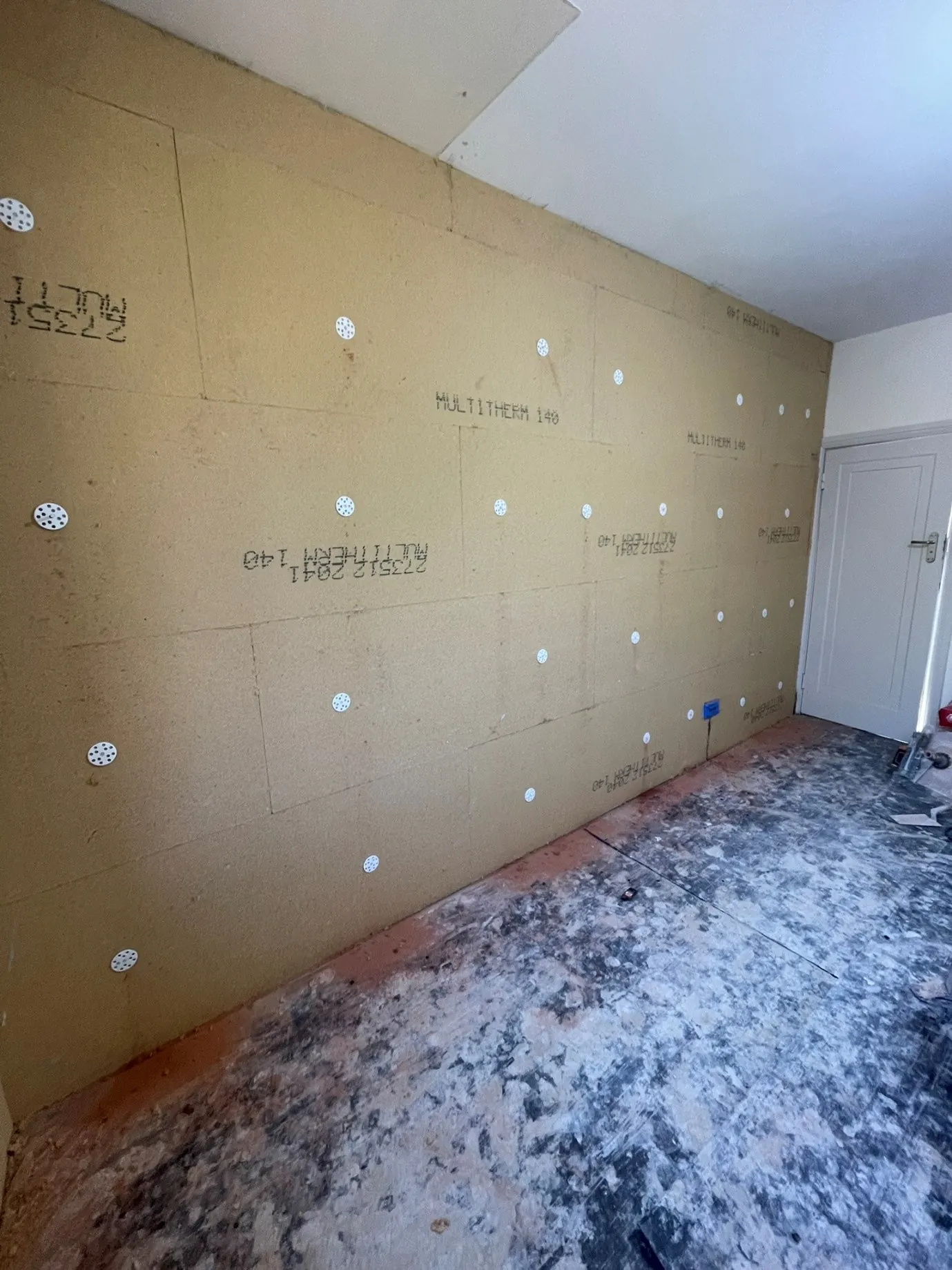
A suitable internal wall insulation system addresses the wall itself. See the main internal wall insulation page for how the systems compare.
What causes mould on the gable wall of an end terrace?
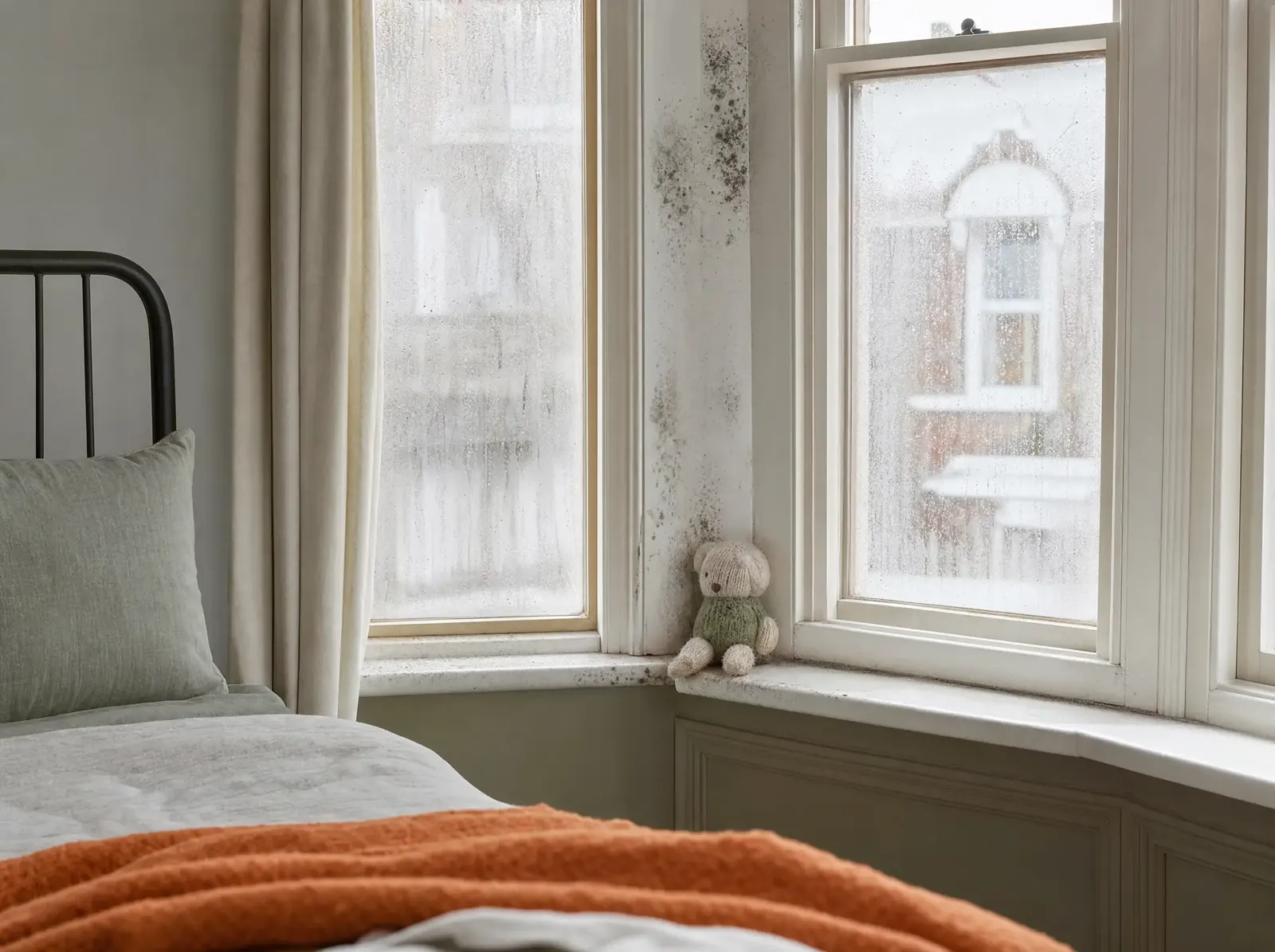
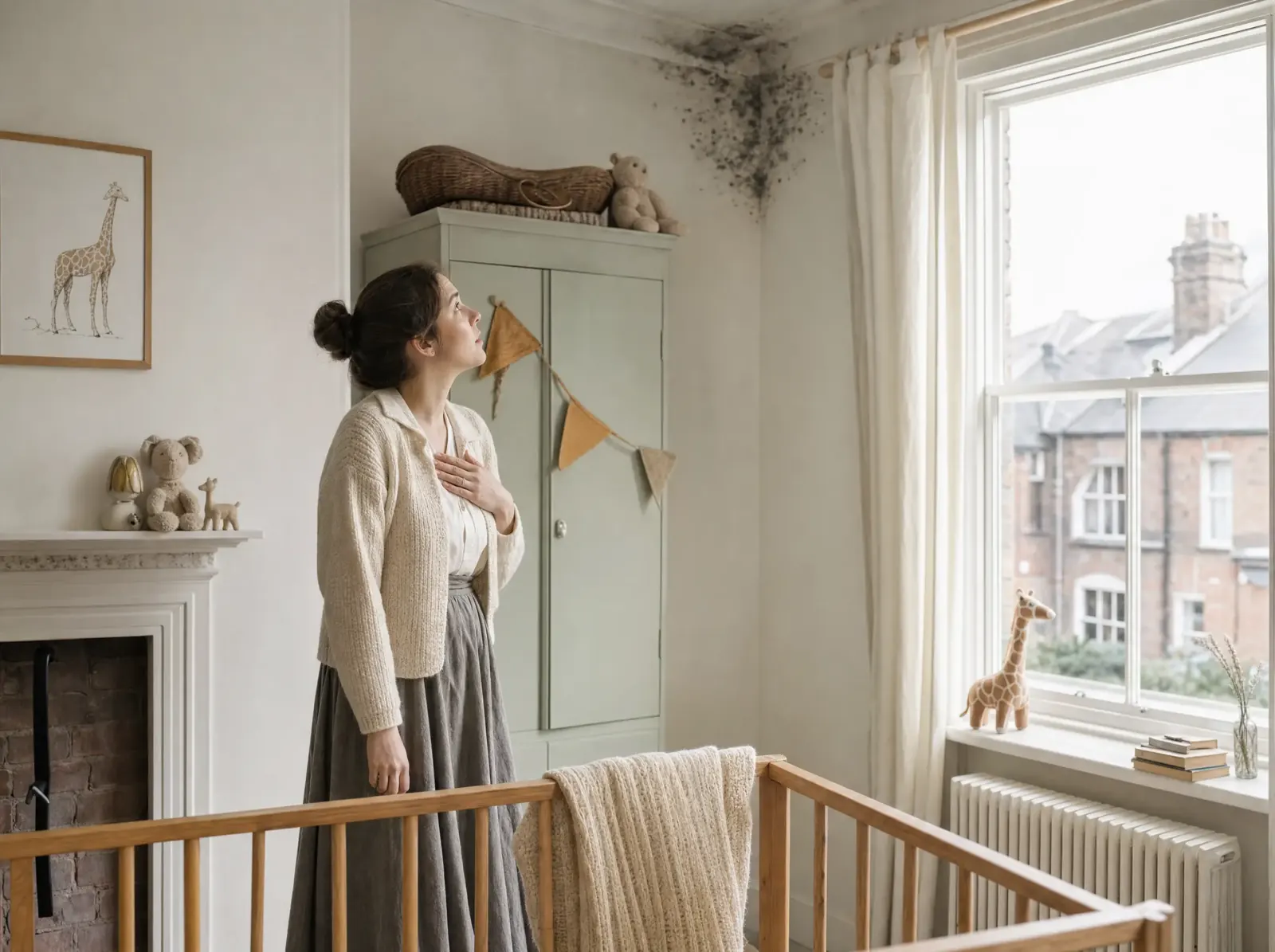
Usually a cold, exposed wall combined with everyday moisture. The gable catches more weather and loses more heat, so its inside face is often the coldest surface in the house. Condensation collects there first, then mould follows, often behind wardrobes or beds.
Before insulating, I check the gable for rain getting in: failed pointing, blocked gutters or cracked render. Those are repairs first. Then insulation warms the surface and ventilation improvements, organised with trusted trades, deal with the moisture.
More on this in my condensation and black mould service and the guide to stopping mould.
My house has had damp treatments before. Does that matter?
Yes, and it is worth telling me at the visit. Many older homes have been through rounds of damp treatment over the years: injected damp-proof courses, sand and cement render on the inside, or waterproof paints.
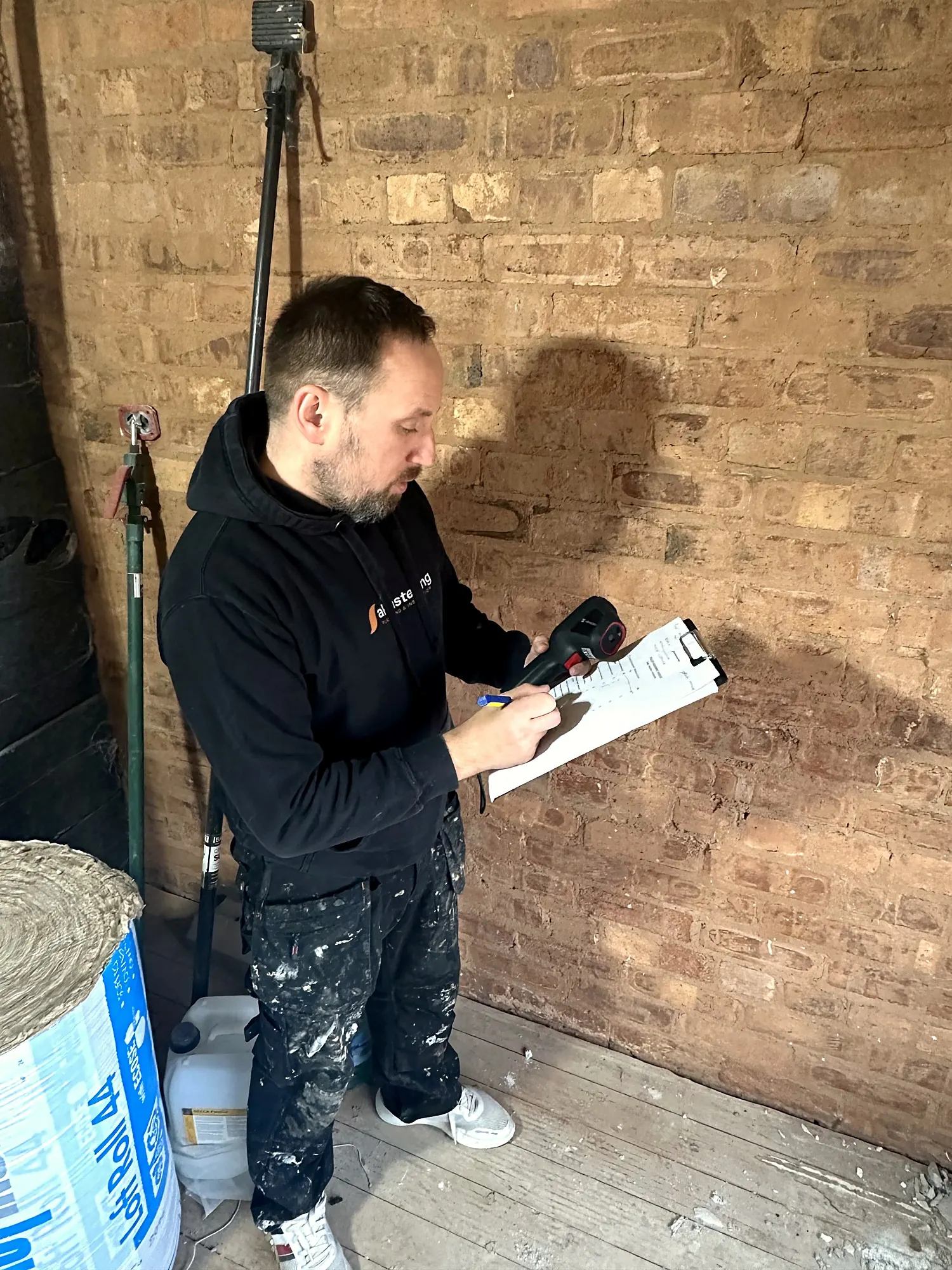
Some of those can trap moisture in a solid wall rather than let it dry, and that affects which insulation is safe to fit. I check for:
- Hard cement render or gypsum plaster at the base of walls.
- Raised ground or paths outside that sit above the floor level.
- Salt staining and crumbling plaster low down on the wall.
- Signs of rain penetration on exposed walls.
Where there is a moisture source, that gets dealt with first. Then the insulation system is chosen to suit what is left: often a vapour-open build-up with lime on older Cannock terraces, sometimes PIR where the wall is dry and space is tight.
If the old treatments have left tired or blown plaster elsewhere in the house, I can put that right too. See plastering.
What about post-war homes in Cannock?
Most post-war houses have cavity walls, where internal insulation is rarely the first step. Some post-war estates across the region were also built with non-traditional systems, such as concrete panels or steel frames, which need specialist advice.
If your home is one of these, I will say so at the visit and explain what I can and cannot help with. Cold bays, tile-hung panels and mouldy rooms can still be improved in the right way.
Can I insulate my Cannock home one room at a time?
Yes, and most people do. Starting with the coldest bedroom or the mouldiest room spreads the cost and keeps the disruption small. The best long-term result still comes from insulating the whole house, including the loft and floors, so I recommend planning for that in the near future.
I plan the first room with the rest of the house in mind, so later rooms join up without leaving cold strips where insulated and uninsulated walls meet. You keep the written recommendation for the whole house, which makes the next phase simple to book, whether that is next spring or in a few years.
How does a Cannock job run?
Cannock is usually about 20 minutes up the A34 from my base in Walsall, so visits are easy to arrange. I also cover Hednesford, Heath Hayes, Norton Canes, Huntington and Great Wyrley.
The process is simple: free home visit, written quote, protected and tidy site, room ready to decorate, handover and a follow-up call about four weeks later. Internal insulation does not normally need planning permission; listed buildings need listed building consent.
Homeowners who called me.
Real reviews from homeowners across the West Midlands, all 5 stars on Google, where you can read every one.
“We had insulation done in our main bedroom, outside wall including bay. From his initial visit, to quotation process and actually doing the work, he was very efficient. It was a pleasure to have Wojtek working in our house.”
“We had our house insulated recently and the difference is honestly amazing. Before, it used to take forever to warm the house up, we’d got to the point where we were even talking about selling because it was just that cold.”
“We’d had black mould forming on our bay window for years and had almost given up trying to clean it off. Nothing we tried ever worked. Then we came across Wojtek at aPlastering.”
“We recently had two rooms insulated by aPlastering, and honestly, they were brilliant from start to finish. They explained everything clearly, the communication was great, and the price was straightforward with no surprises.”
“Our experience with aPlastering was exceptional from start to finish. Wojciech did a thorough survey prior to providing a quote and was crystal clear on what was required. The price was fair for the work required.”
“A very professional and reliable service throughout. From initial enquiry to completion, communication was prompt, with a clear quotation and timeline provided.”
“Excellent professional service, great time keeping, and perfect job. I had insulated plasterboard fitted, soundproof plasterboard and all skimming to a large ground floor, excellent finish throughout and more importantly 3 years in and no cracks.”
“We were let down last minute and he came out to provide a quote the very same day and had our bedroom beautifully plastered the following day, all to an incredibly high standard.”
Free download · 14 pages
Before anyone insulates your walls, ask these 15 questions.
Most of the quality in internal wall insulation ends up hidden behind new plaster. This free buyer's guide from Retrofit Assessor Wojtek Pankowski gives you the questions to ask every installer, what a good answer sounds like and the red flags to watch for.
Get the free guideYour questions, answered.
Anything else, ring me on 07763 789272. Happy to talk it through.
Get a free quoteHow much does internal wall insulation cost in Cannock?
It starts from about £2,000 per wall. A breathable system such as wood fibre is typically around £3,000 per wall over about five days, while PIR is usually £2,000 to £3,000 over three to four days. Your written quote after the free home visit gives the exact figure.
Can I just insulate the gable wall?
Yes. Insulating the single most exposed wall is a common and sensible job, especially in an end terrace. I detail the corners where the gable meets the front and back walls, because those junctions can otherwise become new cold spots. The rooms each side of the gable are usually done together.
How do I know if my Cannock house has solid walls?
Look at the brickwork. If you see a mix of long faces and short ends in the pattern, the wall is probably solid. If every brick shows its long face, there is likely a cavity. Measuring the wall at a window also helps: solid walls are usually around 225mm.
Will insulation stop condensation on my walls?
It should greatly reduce it on the insulated walls, because the surface stays warmer. Condensation can still form on windows and in rooms with a lot of steam if ventilation is poor. That is why I look at extraction and airflow too and recommend improvements where needed.
Do I lose my radiators and sockets during the work?
Only temporarily. Radiators, sockets and switches on the insulated wall are taken off and refitted onto the new surface, with deeper boxes or brackets as needed. I can arrange the plumber and electrician, so you don't have to coordinate them yourself.
You might also need.
Let's warm up your Cannock home.
Free, no-obligation quote. I'll come and look at the room, tell you honestly what's going on and give you a written quotation.
- TodayI read your message and call or WhatsApp you back.
- This weekA free home visit at a time that suits you.
- Within daysA clear written quote. No pressure, no chasing.
Wojtek, Retrofit AssessorUsually replies the same day
Tell me what's going on. It takes about a minute.
Get a free quote 07763 789272 Or send photos on WhatsApp