
Lime plastering · Period homes · Sutton Coldfield, Walsall & nearby
Lime plastering for period homes, done the way they were built.
Lime plaster is the traditional, breathable plaster that suits Victorian and older solid-wall homes, because it lets moisture move and dry out instead of trapping it. I keep sound historic plaster wherever I can, repair what needs repairing, and choose a lime system that matches your walls.
Free home visit. Written quotation. No pressure.
Rated 5 out of 5 on Google
 Wojtek, Retrofit AssessorAssesses, designs and fits every job himself
On this page 8 sections
- Is lime plaster right for your period home?
- What does 'breathable' actually mean?
- Lime or gypsum: what's the difference?
- Can my original plaster be saved?
- Which type of lime plaster will you use?
- Can lime plastering be combined with insulation?
- What is it like having lime plastering done?
- Is lime plastering more sustainable?
Why use lime plaster in an old house?
Old solid-wall houses were built to let moisture in and out. Lime plaster is vapour-open and slightly flexible, so it lets walls dry and moves with the building. Gypsum and cement are tighter and harder, and on the wrong wall they can trap moisture, leading to damp patches, blown plaster and decay.
Is lime plaster right for your period home?
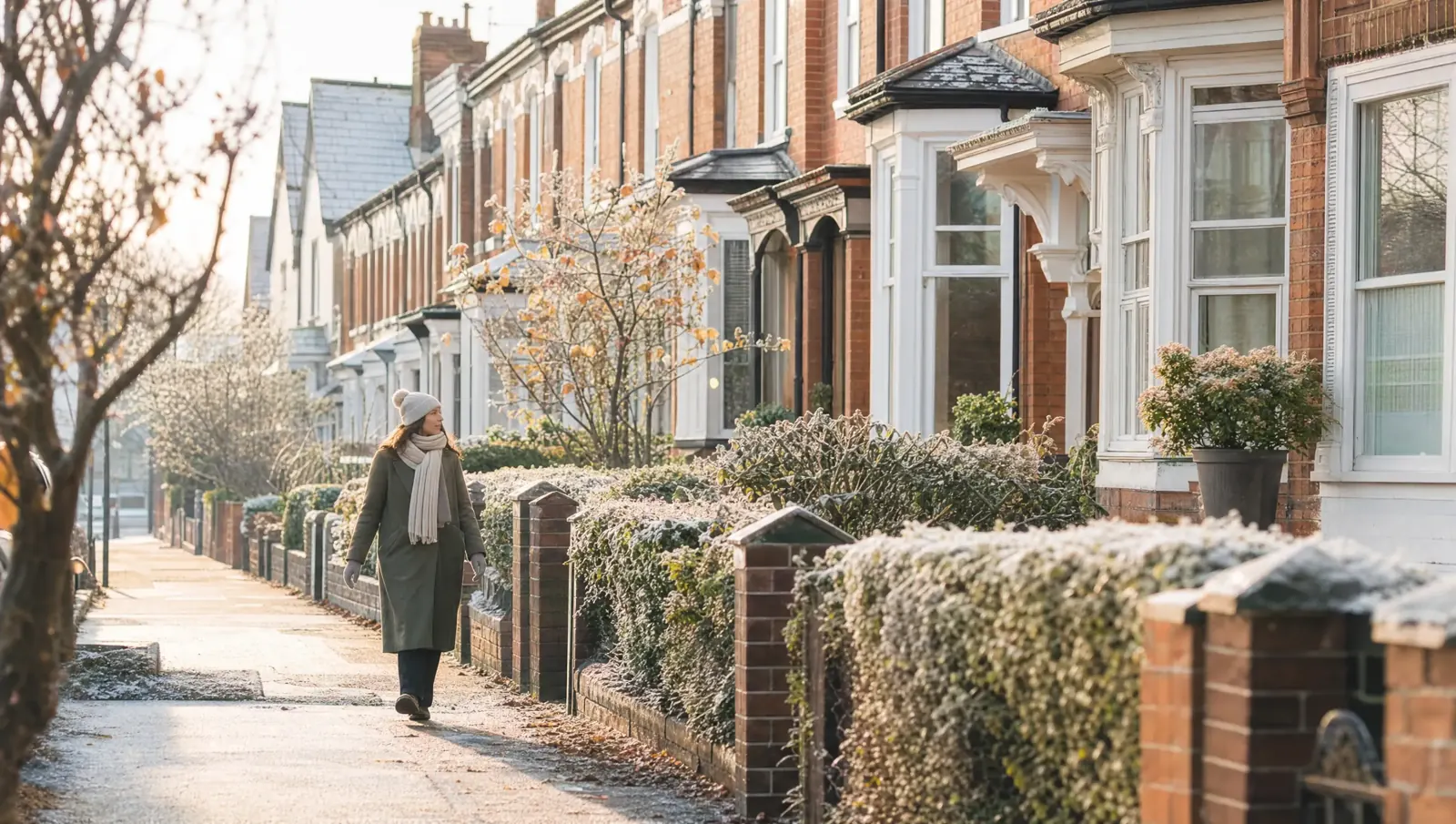
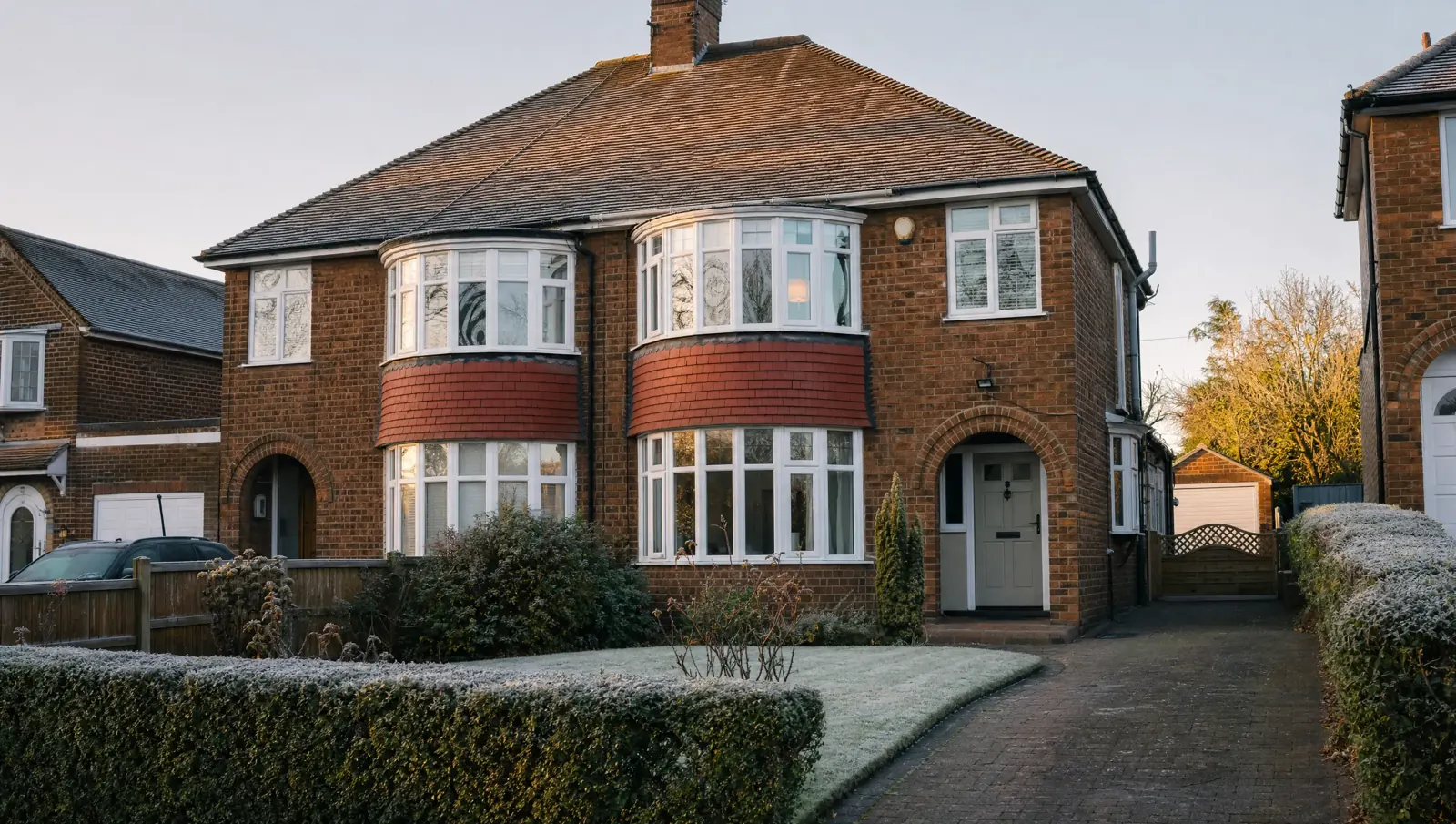
If your house was built before about 1919 with solid brick or stone walls, lime is very likely the right plaster for it. Victorian terraces, Edwardian semis, cottages and traditional brick houses around Sutton Coldfield, Walsall and Lichfield were all originally plastered with lime.
The people who ask me about lime usually love the character of their home and want to look after it properly. Many have already read about breathability and have heard conflicting advice. Some know they want lime but need help choosing a system. Others have had modern plaster put on in the past and are now seeing the problems it caused. Common signs that lime is worth a look:
- damp patches or bubbling paint that appeared after gypsum or cement repairs
- old plaster that sounds hollow, crumbles or has come away from the wall
- salt deposits or a powdery surface low down on solid walls
- a listed building or conservation area, where traditional materials are expected
- a plan to insulate solid walls with a breathable system
What does 'breathable' actually mean?
It means water vapour can pass through the plaster and evaporate, rather than getting trapped in the wall. Solid walls in old houses always hold some moisture from rain, the ground and everyday living; they stay healthy by letting it dry out again.
Lime plaster is porous and vapour-open. It absorbs a little moisture when the air is damp and releases it when the air is dry, which also helps even out humidity in the room. Gypsum plaster is less forgiving: it softens and breaks down if it stays damp. Cement render and plaster are hard and tight, so moisture gets stuck behind them and comes out wherever it can, often as damp patches, salts or blown plaster.
Breathability is not magic. Lime does not cure a leaking gutter, failed pointing or high ground against the wall, and those get fixed first. But it lets the wall behave the way it was designed to.
Lime or gypsum: what's the difference?
Gypsum is quick, cheap and smooth, and it is right for plasterboard and modern cavity walls. Lime is slower and needs more skill, but it is the compatible choice for traditional solid walls.
| Lime plaster | Gypsum plaster | |
|---|---|---|
| Moisture | Vapour-open, lets walls dry | Less open, weakens if it stays damp |
| Movement | Slightly flexible, copes with old walls | Harder, more prone to cracking on moving walls |
| Compatibility with old masonry | Matches original materials | Can trap moisture in solid walls |
| Setting | Hardens slowly by absorbing carbon dioxide | Sets in hours |
| Time before decorating | Several weeks, depending on conditions | Usually days to a couple of weeks |
| Paint | Breathable paints only, such as limewash or mineral paint | Most emulsions |
| Repairs | Blends with historic lime plaster | Different material, often shows or fails at the edges |
| Cost | Higher, more time and skill | Lower |
On a period home, I use lime where the wall needs to breathe. For partition walls, ceilings or plasterboard in the same house, ordinary plastering may be perfectly fine, and I will say so.
Can my original plaster be saved?
Often, yes, and that is where I start. Sound historic plaster is part of your home's character and history, and keeping it is the most sustainable thing we can do.
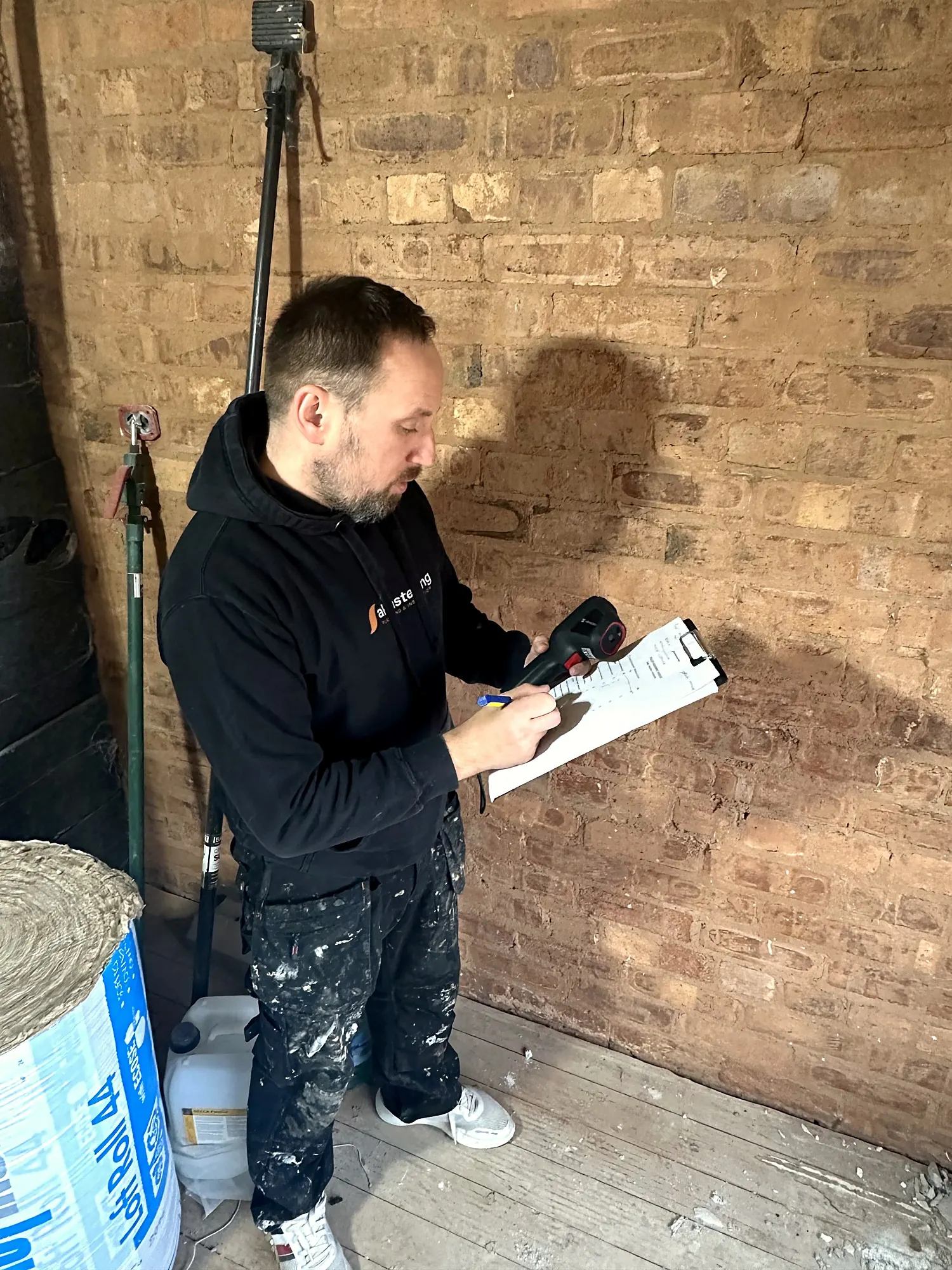
At the survey I tap the walls to find hollow areas, check how well the plaster is holding to the masonry, and look for signs of moisture or salts. Then I explain what can be kept, what needs consolidating or patching, and what really has to come off. Removing old lime plaster just to start fresh wastes material and money, and it loses details like the gentle curves and softened corners that modern plaster never quite matches.
Where plaster has to be replaced, for example after gypsum or cement repairs have trapped damp, I take off only what is failing and blend new lime into the old so the wall reads as one surface.
Which type of lime plaster will you use?
The right lime depends on your walls, how exposed they are and the finish you want. There is no single lime that suits every house.
- Non-hydraulic lime (lime putty or hot-mixed lime) is the softest and most breathable, often used on older and softer masonry.
- Natural hydraulic lime (NHL) comes in grades such as NHL 2, 3.5 and 5. Higher numbers set harder and faster, so they are used with care on soft old walls.
- Haired lime has natural or synthetic hair mixed in to reinforce base coats, much as it was done historically.
- Lime finishes can be left with a soft, slightly textured look or trowelled smoother to suit your taste.
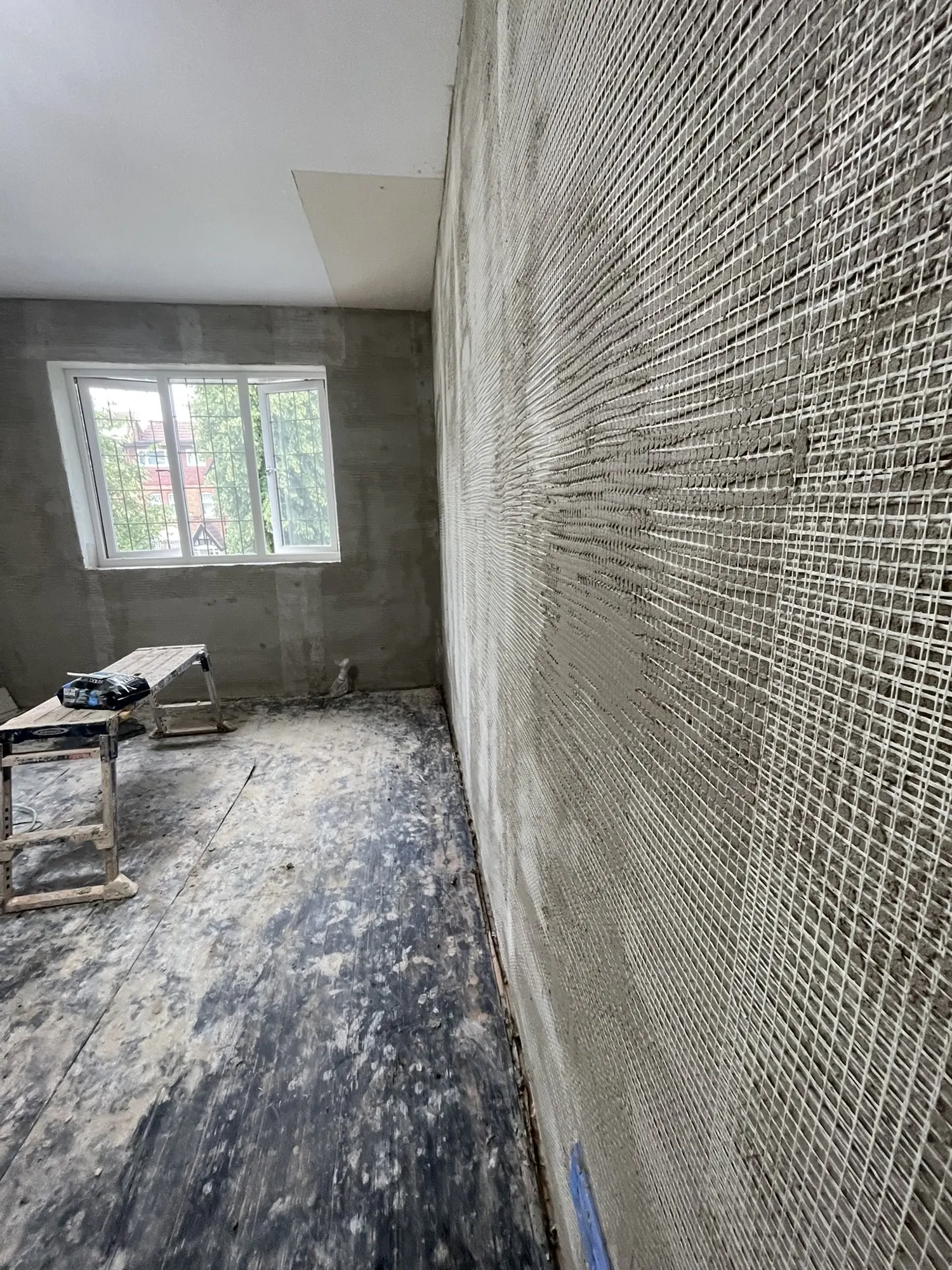
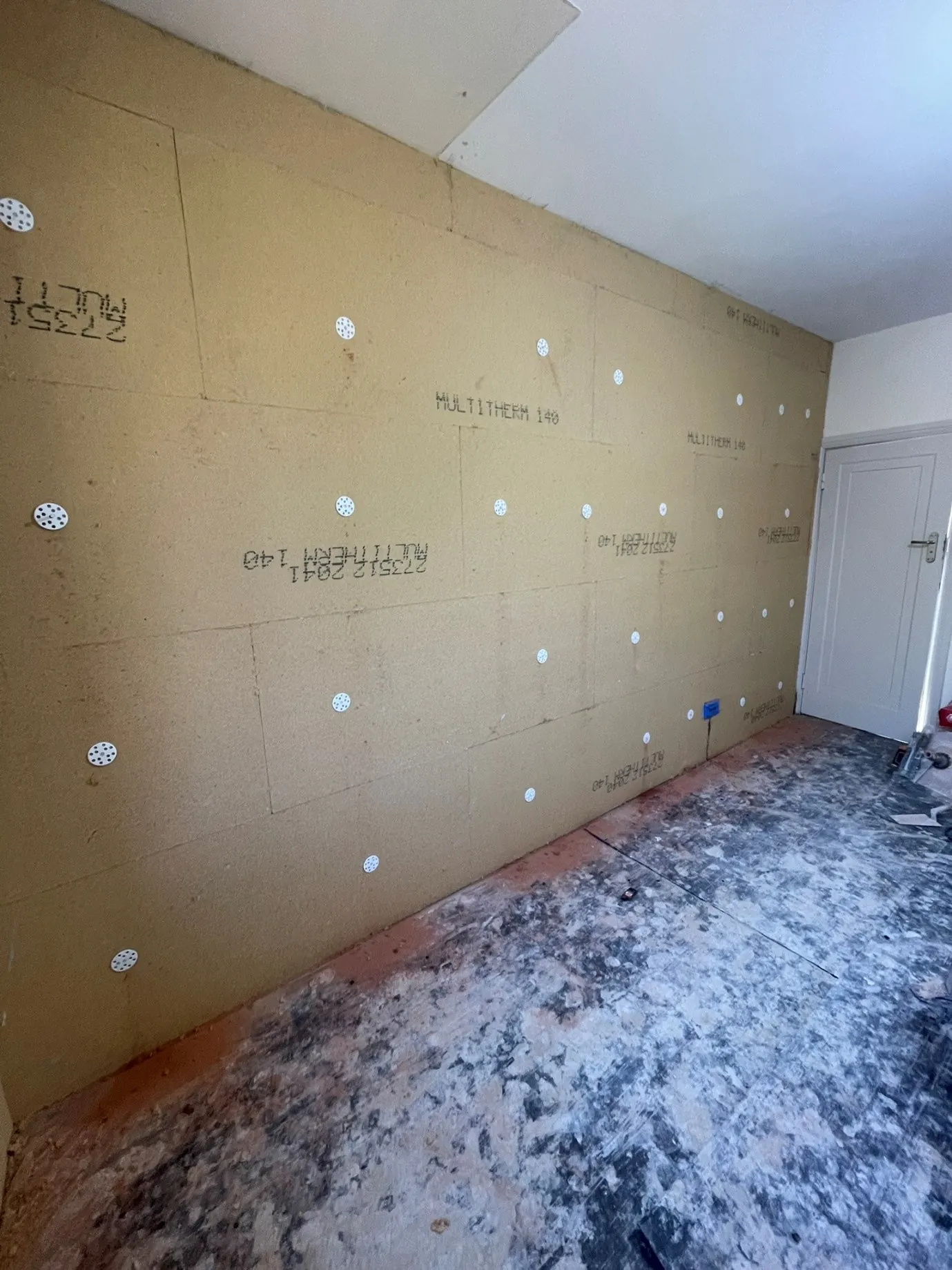
I trained in lime plastering and thermal upgrading at Ty-Mawr. Most of my lime work so far has been as part of breathable internal wall insulation, where lime base coats and finishes sit over wood fibre boards. You can see an example in my 1930s bedroom case study.
Can lime plastering be combined with insulation?
Yes, and in an old house it is often the best way to insulate. A breathable system of wood fibre or cork boards finished with lime keeps the drying routes open while making the room noticeably warmer.
Government guidance on internal wall insulation for traditional solid walls generally favours this kind of moisture-open approach. Before recommending it, I check the wall's exposure, condition and moisture, and use moisture modelling to choose a safe build-up and thickness. For older homes in particular, read my guide to insulating a Victorian home.
What is it like having lime plastering done?
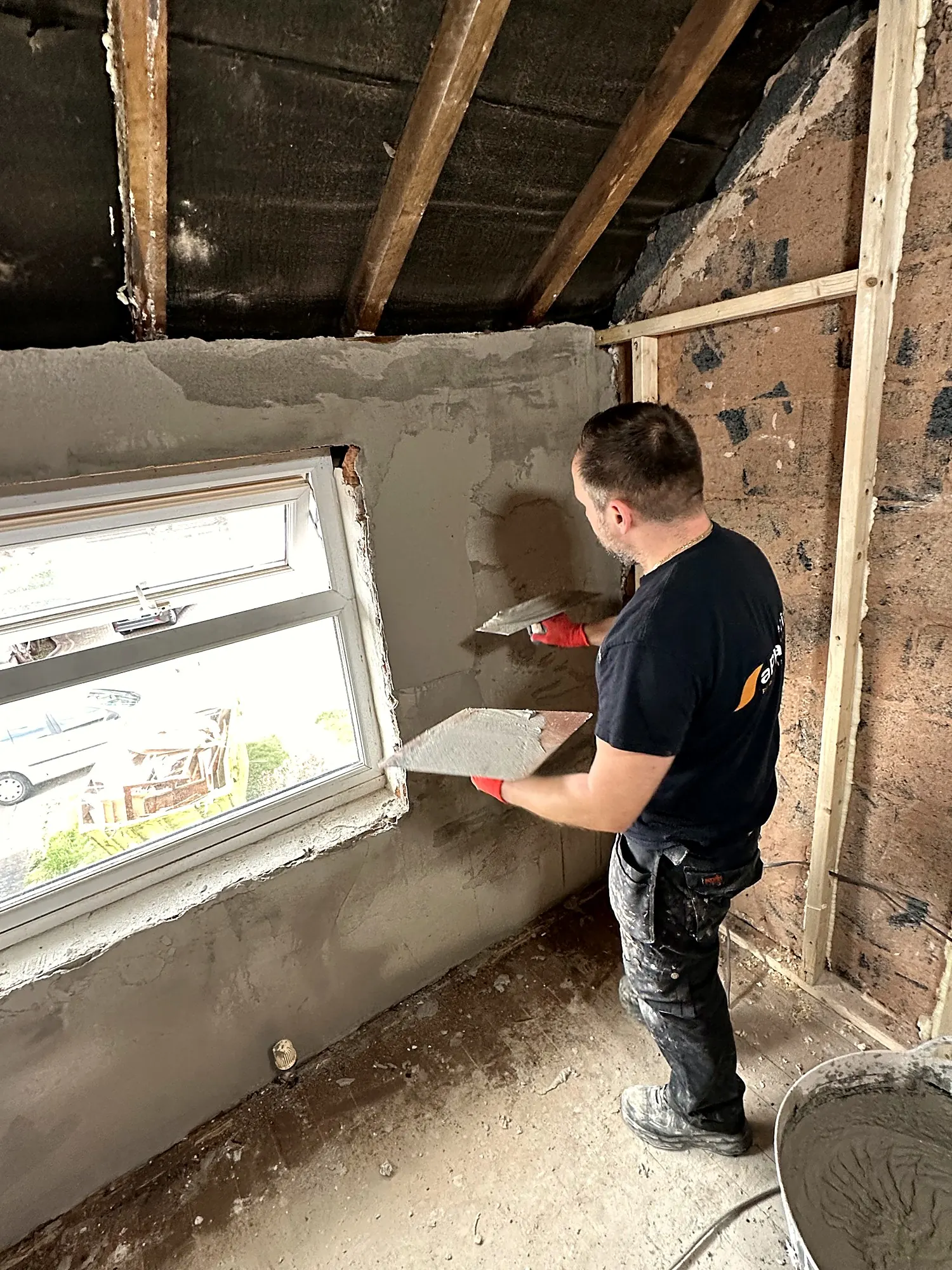
It is slower and calmer than a modern plastering job, and that is deliberate. Lime needs time between coats and gentle curing, so a room usually takes longer than you might expect from gypsum.
- Protection. Floors, furniture and doorways are covered and sealed off, and we tidy at the end of every day.
- Careful removal. Only failing plaster comes off, by hand where possible, so sound areas and original details are not damaged.
- Curing. New lime is kept lightly damp and protected from fast drying, direct heat and frost. That may mean keeping radiators low in the room for a while.
- Weather. Lime work is best avoided in freezing conditions, so winter jobs are planned around the temperature.
You get a pre-start guide explaining all of this before we begin, so nothing comes as a surprise.
Is lime plastering more sustainable?
In a period home, usually yes, for practical reasons more than fashionable ones.
- Keeping sound historic plaster avoids waste and new material.
- A compatible plaster helps the wall stay dry, which protects brick, timber lintels and joist ends for longer.
- Lime reabsorbs some carbon dioxide from the air as it hardens, offsetting part of what was released when it was made.
- Lime can be repaired in small patches for decades, rather than replaced wholesale.
Most of all, it supports the building staying in use, comfortably, for another hundred years.
How the job runs.
Free home visit
I look at the walls, the existing plaster and any damp, and listen to what you want to keep.
Plan and written quote
What stays, what is repaired, which lime and finish, drying times and the guarantee.
Protection and preparation
Floors and furniture protected, failing plaster removed carefully, backgrounds prepared and dampened.
Lime coats
Base and finishing coats applied and looked after as they cure, protected from fast drying and frost.
Handover and aftercare
Walk-round together, advice on breathable paints and decorating times, and a call about four weeks later.
Homeowners who called me.
Real reviews from homeowners across the West Midlands, all 5 stars on Google, where you can read every one.
“We had insulation done in our main bedroom, outside wall including bay. From his initial visit, to quotation process and actually doing the work, he was very efficient. It was a pleasure to have Wojtek working in our house.”
“We had our house insulated recently and the difference is honestly amazing. Before, it used to take forever to warm the house up, we’d got to the point where we were even talking about selling because it was just that cold.”
“We’d had black mould forming on our bay window for years and had almost given up trying to clean it off. Nothing we tried ever worked. Then we came across Wojtek at aPlastering.”
“We recently had two rooms insulated by aPlastering, and honestly, they were brilliant from start to finish. They explained everything clearly, the communication was great, and the price was straightforward with no surprises.”
“Our experience with aPlastering was exceptional from start to finish. Wojciech did a thorough survey prior to providing a quote and was crystal clear on what was required. The price was fair for the work required.”
“A very professional and reliable service throughout. From initial enquiry to completion, communication was prompt, with a clear quotation and timeline provided.”
“Excellent professional service, great time keeping, and perfect job. I had insulated plasterboard fitted, soundproof plasterboard and all skimming to a large ground floor, excellent finish throughout and more importantly 3 years in and no cracks.”
“We were let down last minute and he came out to provide a quote the very same day and had our bedroom beautifully plastered the following day, all to an incredibly high standard.”
Free download · 14 pages
Before anyone insulates your walls, ask these 15 questions.
Most of the quality in internal wall insulation ends up hidden behind new plaster. This free buyer's guide from Retrofit Assessor Wojtek Pankowski gives you the questions to ask every installer, what a good answer sounds like and the red flags to watch for.
Get the free guideYour questions, answered.
Anything else, ring me on 07763 789272. Happy to talk it through.
Get a free quoteIs lime plaster more expensive than gypsum?
Yes, usually. Lime takes longer to apply, needs more coats and must be cared for while it cures, and it requires more skill. On a solid-wall period home, though, it avoids the cost of damp problems that the wrong plaster can cause. I price each job after a free home visit so the quote reflects your walls.
How long does lime plaster take to dry?
Lime hardens slowly by absorbing carbon dioxide from the air. Each coat needs time before the next goes on, and the finished wall usually needs several weeks before decorating, depending on thickness, weather and ventilation. I give you a realistic timeline in the quote and clear decorating advice at handover.
What paint can I use on lime plaster?
Use a breathable finish such as limewash, clay paint or a mineral silicate paint. Standard vinyl emulsions form a skin that slows drying and can undo much of the benefit of lime. Your aftercare notes will list suitable paints and how long to wait. If the walls were previously painted with vinyl, we will talk about that too.
Can lime plaster fix damp?
It helps walls dry, but it does not fix the cause of damp. Leaking gutters, failed pointing, high ground levels or plumbing leaks need repairing first. Where damp has been made worse by gypsum or cement, replacing those with lime often makes a real difference, because moisture can finally escape instead of being trapped.
Can you plaster over existing gypsum with lime?
It isn't usually a good idea on a solid wall, because the gypsum underneath still limits drying. Where the aim is a breathable wall, the gypsum normally comes off first. On a wall with no moisture issues, a sound gypsum surface may be best left alone. I explain the options at the survey.
Do I need lime if my house is in a conservation area or listed?
For listed buildings, like-for-like traditional materials are generally expected and some works need listed building consent, so check with your local conservation officer before starting. Conservation areas mostly control external changes, but lime is still the compatible choice inside a traditional house. I can explain the materials to your officer if helpful.
Do you only do lime on period homes?
Mostly, because that is where it matters. I also use lime base coats and finishes on breathable internal wall insulation in 1930s homes and other solid-wall houses. For modern cavity walls and plasterboard, gypsum is normally the sensible, lower-cost choice, and I will tell you if lime isn't needed.
You might also need.
Let's look after your old walls properly.
Free, no-obligation quote. I'll come and look at the room, tell you honestly what's going on and give you a written quotation.
- TodayI read your message and call or WhatsApp you back.
- This weekA free home visit at a time that suits you.
- Within daysA clear written quote. No pressure, no chasing.
Wojtek, Retrofit AssessorUsually replies the same day
Tell me what's going on. It takes about a minute.
Get a free quote 07763 789272 Or send photos on WhatsApp