
Plastering · Sutton Coldfield, Walsall & nearby
Plastering in Sutton Coldfield, prepared properly.
Good plastering is mostly preparation you never see: sound backgrounds, the right material for the wall and any damp or leaks dealt with first. I plaster homes across Sutton Coldfield, Walsall and nearby, and I explain exactly what I recommend and why before any work starts.
Free home visit. Written quotation. No pressure.
Rated 5 out of 5 on Google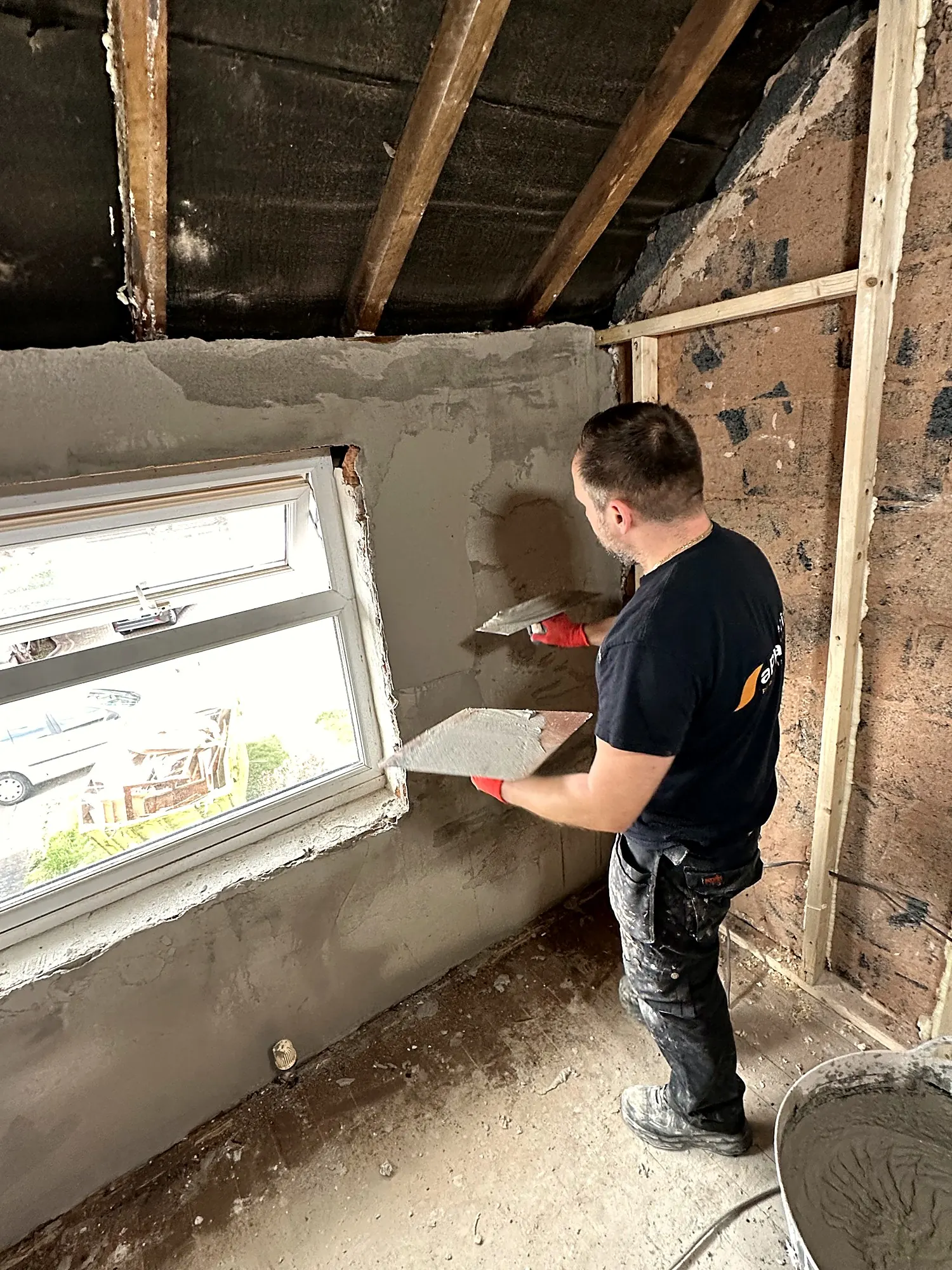
 Wojtek, Retrofit AssessorAssesses, designs and fits every job himself
On this page 9 sections
- Are you renovating, repairing or putting a bad job right?
- Why does preparation matter more than the final coat?
- What if the wall has a problem plastering can't fix?
- Gypsum or lime: which plaster does your wall need?
- Why do two plastering quotes differ so much?
- Which plastering service do you need?
- Why does building knowledge matter to a plasterer?
- How long does plastering take?
- What is it like having the work done?
What makes a good plastering job?
A good plastering job starts well before the finish coat. The existing plaster is checked, loose or unsuitable areas are removed, damp or leaks are dealt with, the right plaster is chosen for the wall, and corners, edges and junctions are prepared properly. The smooth finish you see depends on all of that.
Are you renovating, repairing or putting a bad job right?
Most people who call me about plastering in Sutton Coldfield are doing one of three things: renovating a room, sorting out a house they have just bought, or repairing walls they have lived with for years. Some have just spent money on a new kitchen or flooring and want walls that do it justice.
Others have been let down before. Cracks came back, paint started peeling or patches showed through after decorating. If that is you, the first thing I do is work out why it happened, so the next job does not repeat it.
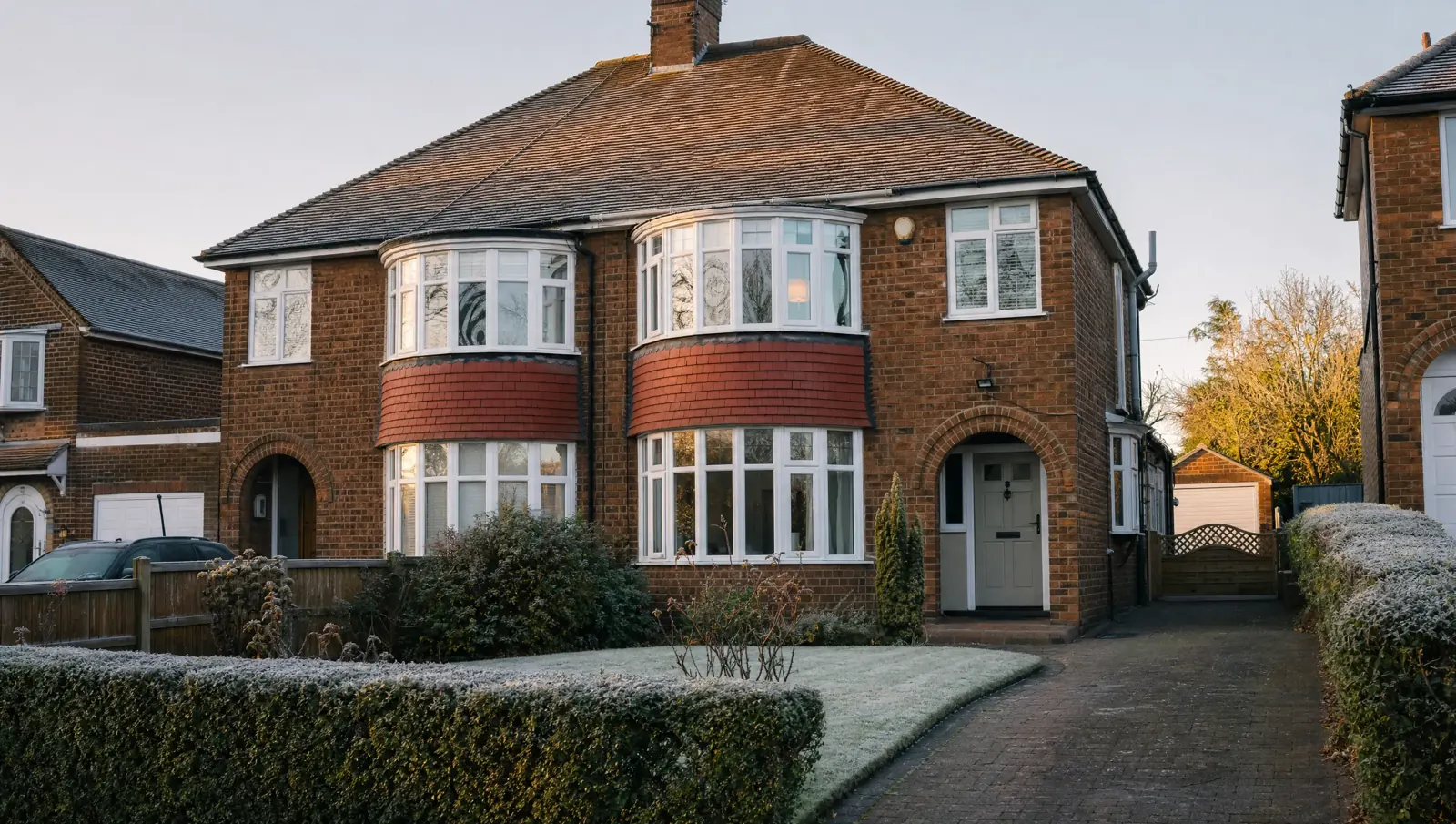
The houses vary as much as the reasons. Sutton Coldfield, Walsall and Aldridge have everything from Victorian terraces with original lime plaster to 1930s semis patched over the decades and modern homes with plasterboard throughout. Each needs a slightly different approach, and that is why every job starts with a visit rather than a price over the phone.
Why does preparation matter more than the final coat?
Because the finish is only as good as what is underneath it. Most plastering failures, from cracking to hollow patches to paint that will not stick, start with preparation that was skipped or rushed.
Before I quote, I check and explain:
- whether the existing plaster is sound enough to keep, needs local repairs or has to come off
- what the background is: brick, old lime, gypsum, plasterboard or a mix
- how changes of background, such as a new board next to old plaster, will be treated so they do not crack
- which corners and edges need beads, and where joints need scrim tape
- how the surface will be primed or bonded so the new coat holds
Almost all of this is hidden once the wall is finished. I show you what is involved while it is still visible, so you can see what you are paying for.
What if the wall has a problem plastering can't fix?
Then I tell you before we agree the scope. Plastering over an active problem only hides it for a while, and you end up paying twice.
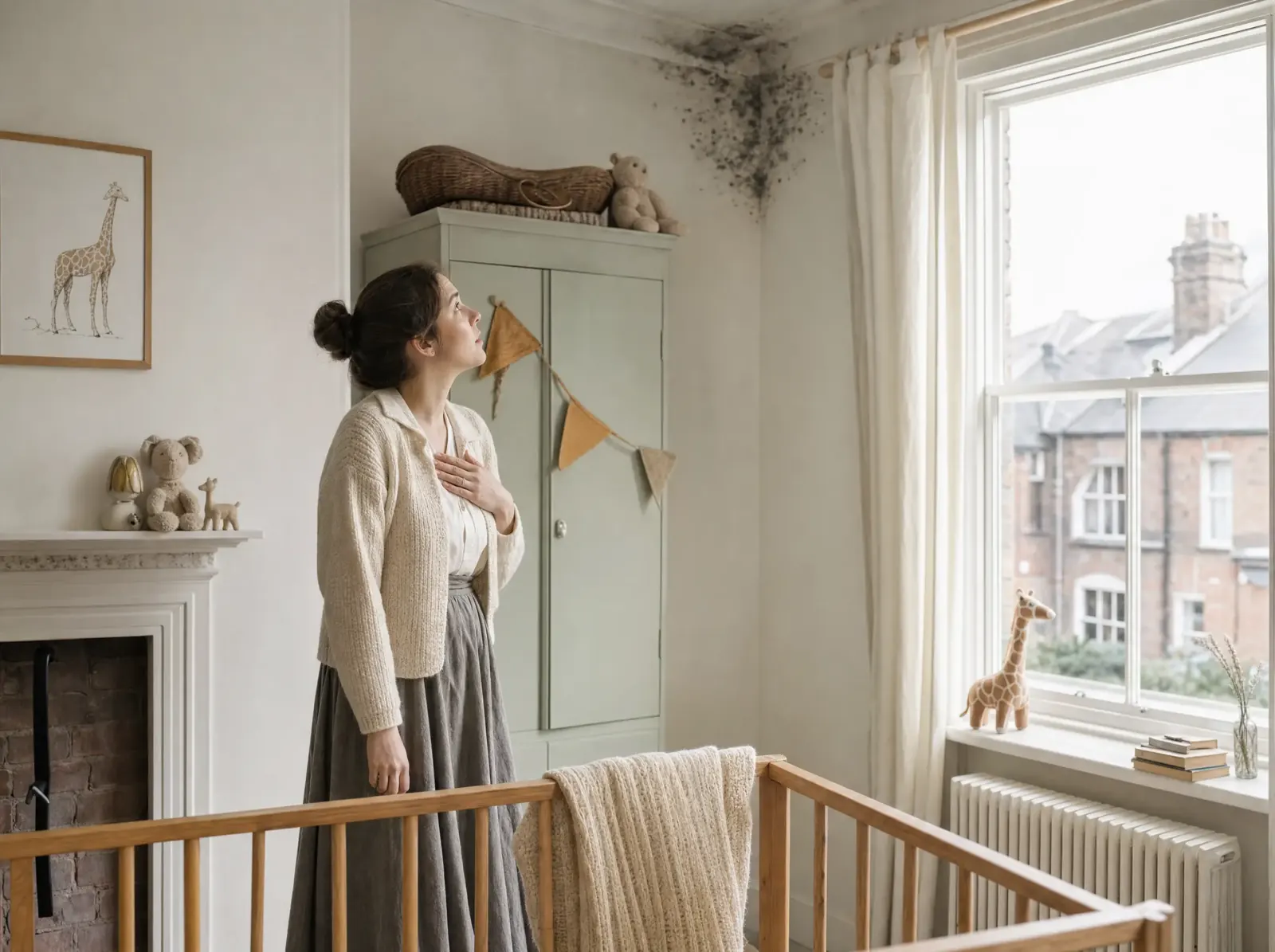
An ongoing leak, rising or penetrating damp, salts coming through the wall or a crack that keeps widening all need attention first. Sometimes that means a plumber, a roofer or a gutter repair. Sometimes it needs further investigation, such as a structural engineer for a moving crack. Where that is the case I say so clearly, and I can organise the other trades if you would like me to. Black mould on an outside wall is often a condensation issue rather than a plastering one, and I will explain the difference if that is what I find.
Gypsum or lime: which plaster does your wall need?
The wall decides. A modern room with a dry, conventional background is usually best with gypsum. A traditional solid-walled house, typically built before about 1920, often needs a compatible lime-based plaster instead.
| Gypsum plaster | Lime plaster | |
|---|---|---|
| Suits | Modern walls, plasterboard, dry backgrounds | Older solid brick and stone walls, existing lime plaster |
| Moisture | Does not cope well with persistent damp | Vapour-open: lets the wall dry out |
| Flexibility | Rigid | More forgiving of slight movement |
| Drying time | Days | Weeks, applied in thinner coats |
| Cost | Lower | Higher: slower to apply and cure |
Gypsum on an old solid wall can trap moisture that used to escape through the plaster, which is one reason patches fail in period homes. A wall that already has insulation needs finishes that suit that system. I explain which I recommend for your home and why. For older properties, my lime plastering page goes into more detail, and if a wall is cold as well as tired, internal wall insulation can be done at the same time.
Why do two plastering quotes differ so much?
Because two quotes for the same room can allow for very different amounts of work. The price is easy to compare; what sits behind it is not.
These are the questions worth asking every plasterer you get a quote from:
- Will loose or blown plaster be cut out, or skimmed over?
- How will the surface be prepared and primed?
- Are new corner beads and scrim tape included?
- How are cracks and changes of background treated?
- Is protection of floors and furniture, daily cleaning and waste removal included?
- Who deals with sockets, switches and radiators?
- What drying and decorating advice will I get?
I am not trying to be the cheapest plasterer in Walsall or Sutton Coldfield. I aim to be the one whose quote you understand, with preparation written into it and a finish that stays right. If you value a considered approach, that is who I work best for.
Which plastering service do you need?
Most jobs fall into one of four types, and the visit is where we work out which, or which combination, fits your walls. A single room often needs more than one: a few repairs, new beads, then a full skim.
- Skimming: a thin finish coat over sound plaster or plasterboard for smooth, even walls and ceilings.
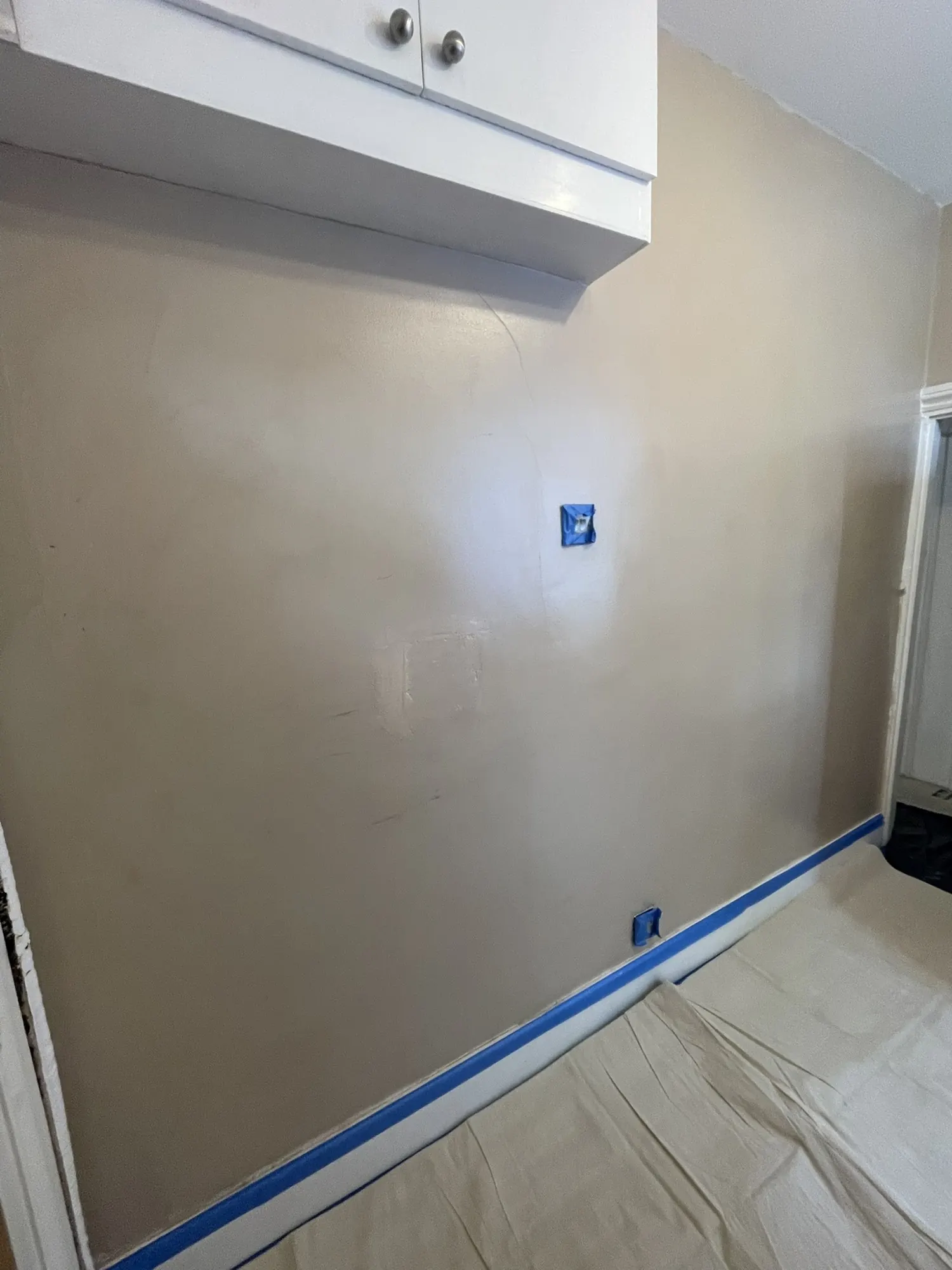
- Plaster repairs and patching: cracks, holes, blown areas and making good after electrical or plumbing work, with the cause found first.
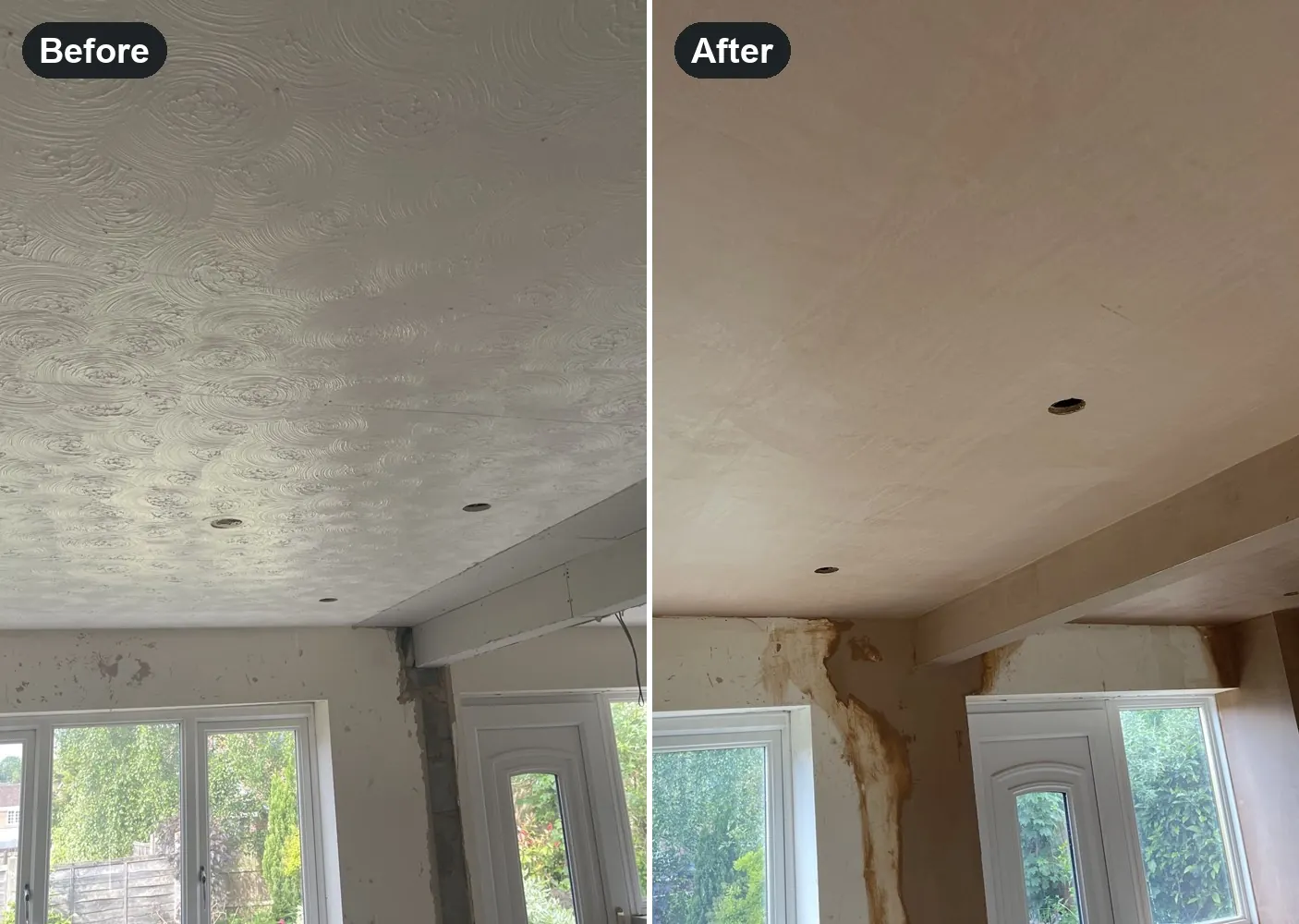
- Plastering over Artex: smoothing textured ceilings and walls, with an asbestos test first on older coatings. Popular in Sutton Coldfield and Great Barr homes that still have 1970s and 1980s ceilings.
- Plasterboarding: new partitions, ceilings and boarding over walls that are too poor to plaster. Often the quicker, drier option for badly cracked ceilings.
Why does building knowledge matter to a plasterer?
Because plaster is one layer in a wall that has to manage moisture, and the wrong layer can cause problems a smooth finish hides for a while. The materials on a wall affect how moisture moves through it and how the layers behave together.
Alongside plastering, I am a qualified Retrofit Assessor and Domestic Energy Assessor, and I have trained in lime plastering and thermal upgrading at Ty-Mawr. In practice that means I check walls with a moisture meter, look at ventilation and ask about the history of the room before choosing a material. You should feel the recommendation comes from an assessment of your house, and you should understand it without needing to become an expert yourself.
How long does plastering take?
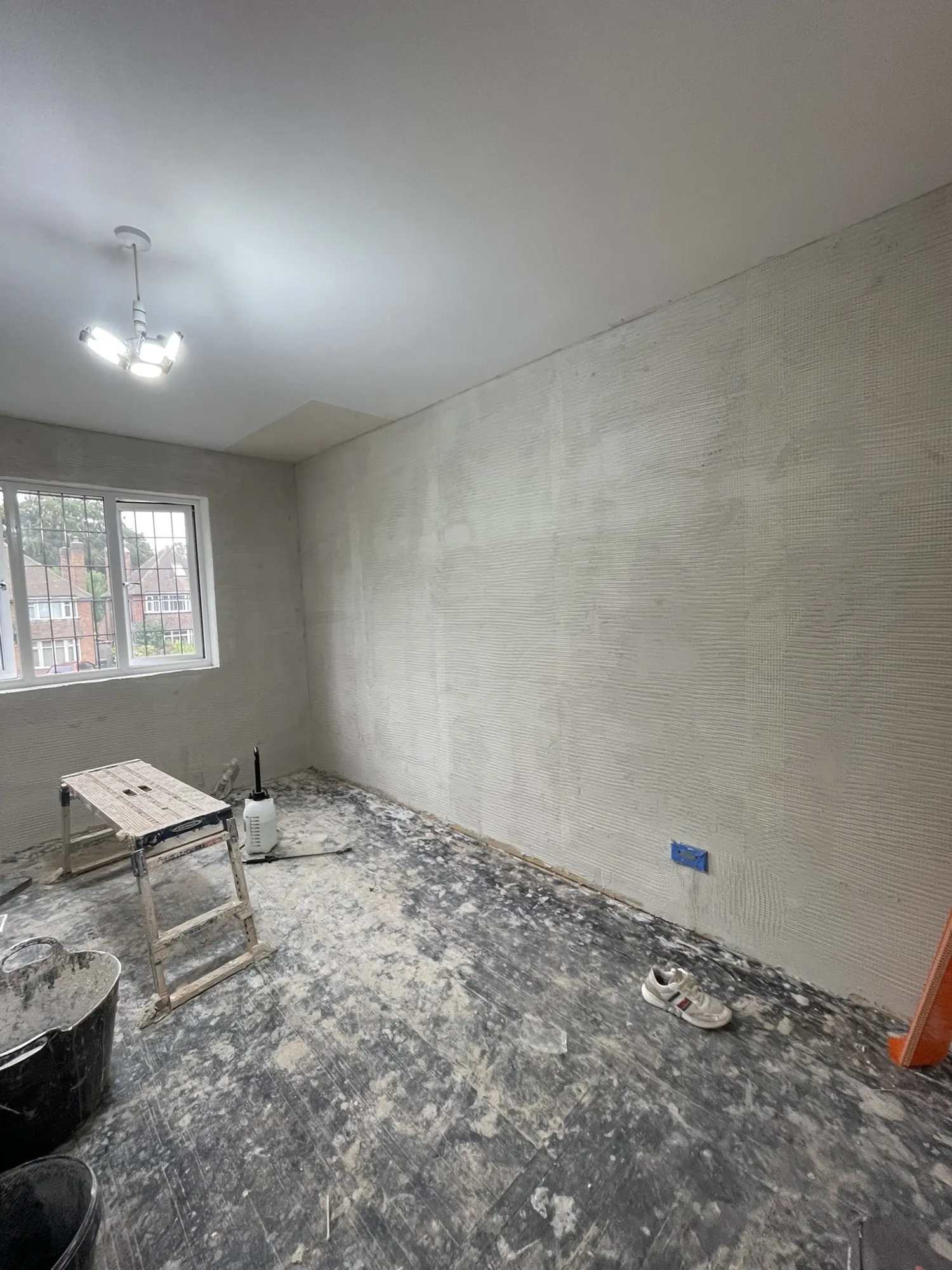
A straightforward skim of an average bedroom usually takes one to two days. Rooms that need old plaster removed, backing coats, beads and repairs take longer, and lime work takes longest because each coat has to cure before the next.
Drying time is extra, and it matters just as much. A skim coat typically needs several days to a week or more before decorating, depending on the season, heating and ventilation. Your quote shows the time on site and the drying time separately, so you can plan decorators, carpets and furniture around them.
What is it like having the work done?
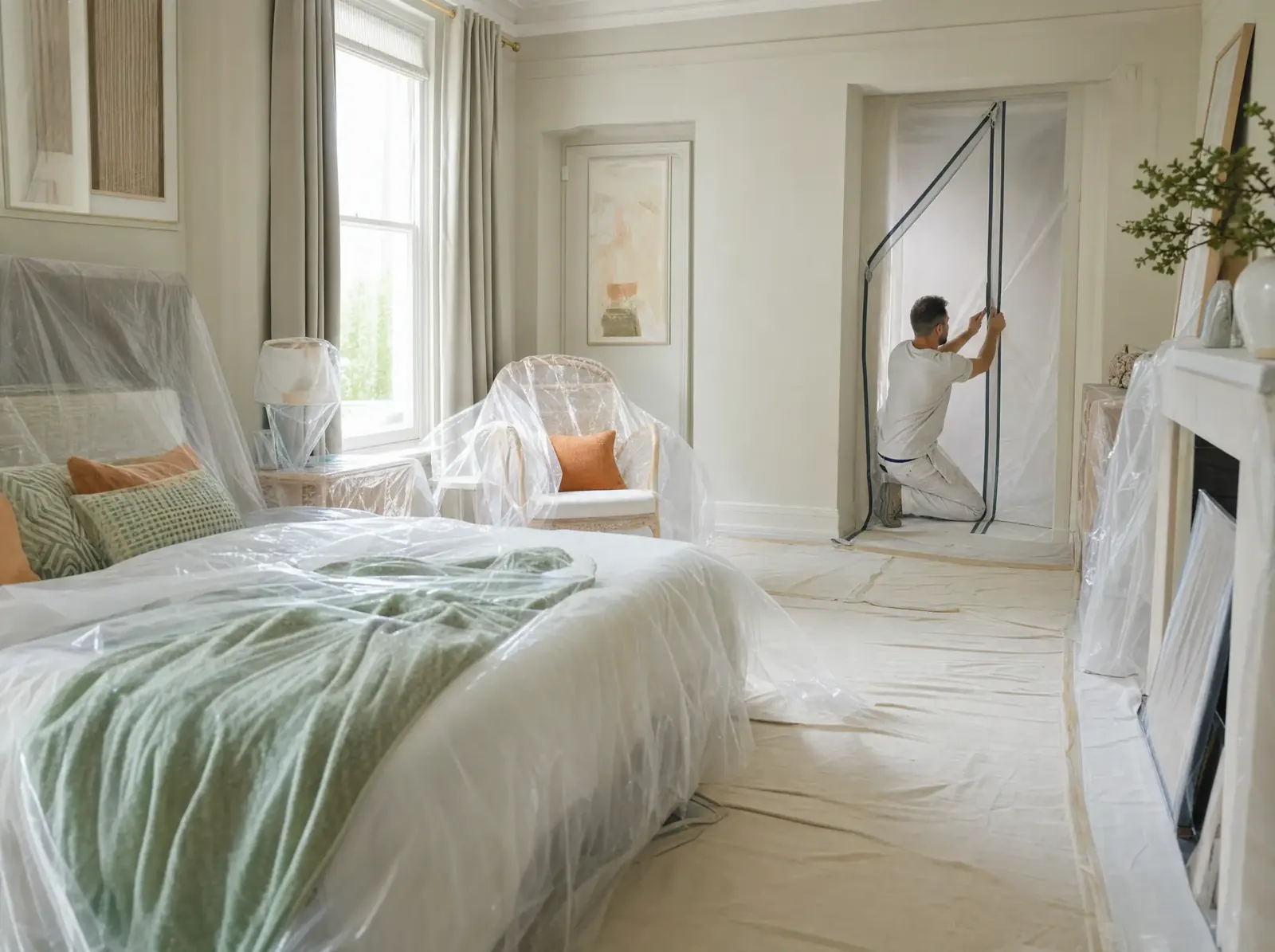
Calm and tidy, as far as plastering can be. Floors and furniture are protected before we start, we clean up every day and waste is taken away.
If sockets, switches or radiators need to come off, I can organise the electrician or plumber so you are not coordinating trades. At the end we walk round together for a handover inspection, and you get clear advice on drying and decorating, because painting too soon, or with the wrong paint, is one of the most common reasons new plaster looks poor.
You get the room back ready to decorate. I do not decorate myself, but I will tell you exactly when the walls are ready for it. About four weeks later I call to check everything has dried and settled as it should.
How the job runs.
Free home visit
I look at the walls, tap for hollow areas, check for damp and leaks and listen to what you want from the room.
Written quote
It sets out the preparation, the plaster I recommend and why, and anything that needs fixing first.
Protect and prepare
Floors and furniture covered, loose plaster removed, beads, scrim and priming done properly.
Plaster
Backing coats where needed, then the finish, with attention to corners, edges and junctions.
Handover and follow-up
We inspect together, you get drying and decorating advice, and I call about four weeks later.
Homeowners who called me.
Real reviews from homeowners across the West Midlands, all 5 stars on Google, where you can read every one.
“We had insulation done in our main bedroom, outside wall including bay. From his initial visit, to quotation process and actually doing the work, he was very efficient. It was a pleasure to have Wojtek working in our house.”
“We had our house insulated recently and the difference is honestly amazing. Before, it used to take forever to warm the house up, we’d got to the point where we were even talking about selling because it was just that cold.”
“We’d had black mould forming on our bay window for years and had almost given up trying to clean it off. Nothing we tried ever worked. Then we came across Wojtek at aPlastering.”
“We recently had two rooms insulated by aPlastering, and honestly, they were brilliant from start to finish. They explained everything clearly, the communication was great, and the price was straightforward with no surprises.”
“Our experience with aPlastering was exceptional from start to finish. Wojciech did a thorough survey prior to providing a quote and was crystal clear on what was required. The price was fair for the work required.”
“A very professional and reliable service throughout. From initial enquiry to completion, communication was prompt, with a clear quotation and timeline provided.”
“Excellent professional service, great time keeping, and perfect job. I had insulated plasterboard fitted, soundproof plasterboard and all skimming to a large ground floor, excellent finish throughout and more importantly 3 years in and no cracks.”
“We were let down last minute and he came out to provide a quote the very same day and had our bedroom beautifully plastered the following day, all to an incredibly high standard.”
Free download · 16 pages
Why is my room so cold?
Most cold rooms in 1930s and Victorian homes are cold because their outside walls lose heat fast and stay cold on the surface. This free guide from Retrofit Assessor Wojtek Pankowski helps you find out what's happening in your home and what to do about it, before you spend a penny.
Get the free guideYour questions, answered.
Anything else, ring me on 07763 789272. Happy to talk it through.
Get a free quoteHow long should new plaster dry before painting?
A skim coat usually needs several days to a week or more, depending on the season, heating and ventilation. It is ready when the colour has turned evenly pale with no darker patches. Thicker backing coats and lime take longer. The first coat should be a mist coat of watered-down emulsion, not vinyl or oil-based paint.
Can you plaster over old plaster?
Often, yes, if the old plaster is firmly bonded, dry and reasonably flat. I tap the walls to find hollow or blown areas, which need cutting out and making good first. If large areas are loose or the wall is damp, skimming over them would only delay the problem, so I will recommend repairs, re-plastering or boarding instead.
Why did the cracks come back after my last plasterer?
Usually because the cause was not dealt with. Common reasons are plaster applied over loose or blown backgrounds, missing scrim tape at board joints, new plaster over an ongoing damp or leak, or genuine movement in the building. I work out which it was before quoting, so the repair addresses the cause as well as the crack.
Should I use lime plaster in my older house?
If the house has solid walls and was originally lime plastered, often yes, especially on external walls. Lime lets the wall dry out, while gypsum can trap moisture and lead to patches failing. Not every room in an older house needs lime, though. I look at the wall, the existing plaster and any damp before recommending either.
Do you plaster ceilings as well as walls?
Yes. Ceilings can be skimmed if the existing surface is sound, or overboarded with new plasterboard and skimmed if they are cracked, sagging or heavily textured. Old lath and plaster ceilings need checking carefully first, because a ceiling that has lost its grip on the laths should be boarded or replaced rather than skimmed.
Do I need to empty the room before you start?
It helps to take out small items, ornaments and anything fragile. Larger furniture can usually be moved to the middle of the room and covered. We protect floors and furniture before starting and clean up every day. If there is anything you are unsure about, we can agree it at the home visit.
Do you only do larger plastering jobs?
I take on single rooms as well as larger renovations, and small repairs where they are part of a considered job. What I do not do is compete purely on the lowest price. If you want the preparation done properly and a clear explanation of the work, I am happy to come and have a look.
You might also need.
Let's get those walls right.
Free, no-obligation quote. I'll come and look at the room, tell you honestly what's going on and give you a written quotation.
- TodayI read your message and call or WhatsApp you back.
- This weekA free home visit at a time that suits you.
- Within daysA clear written quote. No pressure, no chasing.
Wojtek, Retrofit AssessorUsually replies the same day
Tell me what's going on. It takes about a minute.
Get a free quote 07763 789272 Or send photos on WhatsApp