Mould & damp
How do I stop mould coming back?
To stop mould coming back you have to change the conditions it grows in: too much moisture in the air, surfaces that are cold enough for it to settle, and too little air movement to carry it away. Cleaning removes what you can see, but if the wall is still cold and the air is still damp, the mould returns to the same spot.

Wojtek Pankowski, Retrofit AssessorUpdated 1 October 2026 · 7 min read
On this page 8 sections
- Why does mould keep coming back after I clean it?
- What causes black mould in a house?
- Where does all the moisture come from?
- Why does mould grow on cold walls?
- What can I do about mould today?
- How much ventilation does a home actually need?
- When is insulation the answer to mould?
- Is black mould a health risk?
How do I stop mould coming back?
Clean it safely, then remove the reason it grew. Cut moisture at source, keep background ventilation running, heat steadily and move furniture off outside walls. If mould still returns to the same cold corner, the wall surface is below the temperature where condensation forms, and it needs insulating or the room needs better ventilation.
Why does mould keep coming back after I clean it?
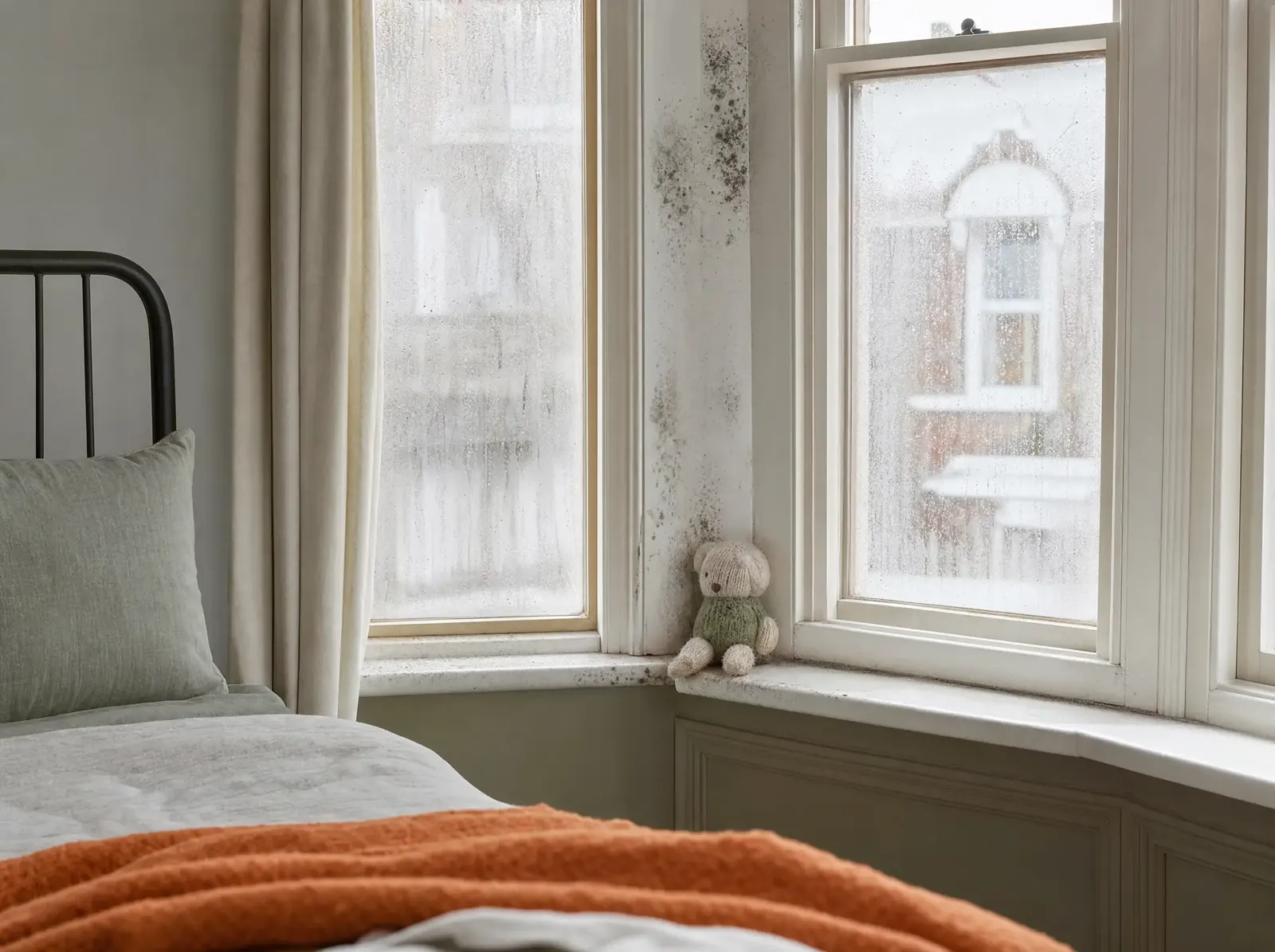
Mould comes back because cleaning changes the surface, not the conditions. Mould spores are in every home, all the time. They only grow where a surface stays damp for long enough, so if that corner is still cold and the air is still moist, new growth appears in the same place.
Many of the people I visit have already tried the lot: mould sprays, bleach, anti-mould paint, stain blockers, even a company that came to spray or fog the room. Each one seemed to work for a few weeks. That is not a failure on their part. It is a sign the cause is in the building or the air, and nobody has dealt with it yet.
What causes black mould in a house?
Most black mould in homes is caused by condensation, but not all of it. Before you choose a fix, it helps to know which kind of damp you have, because water coming in from outside needs repairing, not insulating.
| What you see | Likely cause | First step |
|---|---|---|
| Black spots in corners, around windows, behind furniture; worse in winter and in the mornings | Condensation on cold surfaces | Reduce moisture, ventilate, then look at cold walls |
| A patch that grows after rain, often with a tide mark | Water getting in: gutters, pointing, cracked render, roof | Repair the outside first |
| A wet patch in one spot in any season | A leak from pipes, a bath seal or a radiator valve | Find and fix the leak |
| Staining low on the wall with white salts | Often bridged or raised ground outside, sometimes rising damp | Get an independent diagnosis before any injection treatment |
Where does all the moisture come from?
From everyday living. A typical family puts several litres of water into the air every day, and it has to go somewhere.
- Drying washing indoors: a single load can release around two litres.
- Showers and baths: a bathroom without a working extractor fills the house with warm, wet air.
- Cooking: boiling pans without lids or an extractor.
- Breathing: two people asleep in a closed bedroom add a surprising amount overnight.
- Unvented tumble dryers and bottled gas heaters.
A cheap digital hygrometer, around £10 to £15, is worth having. Aim to keep rooms between about 40% and 60% relative humidity. Readings sitting above 65% for long periods, especially in bedrooms in the morning, tell you moisture is building up.
Check the reading first thing in the morning in the room with the mould, and again after a shower or a wash load. If the morning figure drops once you change a habit, you have found one of your moisture sources. If it stays high whatever you do, the problem is more likely ventilation or a cold room, which I cover below.
Why does mould grow on cold walls?
Because cold surfaces make the air next to them damper. Air holds less moisture the colder it gets, so when warm room air touches a cold wall, the humidity right at that surface shoots up.
Here are the numbers. At 20°C and 60% humidity, water droplets form on any surface below about 12°C; that is the dew point. But mould does not need droplets. It can grow when the air at the surface stays around 80% humidity, and in the same room that happens on any surface below roughly 15°C.
An uninsulated 225mm solid brick wall on a 0°C day sits at around 14.5°C on the inside. Corners, reveals and the wall behind a wardrobe are colder still. That is exactly where the mould is. After internal insulation in my 1930s bedroom case study, the calculated surface temperature on the same day rose to about 18.4°C, comfortably above the risk zone.
Worth knowingAnti-mould paint contains a biocide that stops growth on the paint film for a while, but it does not warm the wall or dry the air. Once the biocide wears off or dust settles on it, mould grows again. It is useful after the cause is fixed, not instead of fixing it.
What can I do about mould today?
Start by cleaning it safely, then cut the moisture that feeds it. These steps cost little and often make a visible difference within a few weeks.
- Clean carefully. Wear gloves and a mask, use a mould remover as the label says, and wipe rather than dry-brush so you do not spread spores. Never mix bleach with other cleaners.
- Deal with moisture at source. Lids on pans, extractor fans on while cooking and showering and for 15 to 20 minutes after.
- Dry washing outside where you can, or in one room with the window open and the door shut.
- Keep trickle vents open and open windows fully for a few minutes each morning.
- Heat steadily. Long cold spells followed by short blasts let walls cool right down.
- Move furniture a few centimetres off external walls.
- Check outside for blocked gutters, leaking downpipes and open joints in the brickwork.
How much ventilation does a home actually need?
More than most older homes get once the windows are replaced and the chimneys are blocked. Ventilation removes the moist air; insulation keeps surfaces warm. You need both.
For new work, England's Approved Document F (2021) gives a whole-house design rate of at least 31 litres per second for a three-bedroom home, roughly 112 cubic metres per hour, and at least 0.3 litres per second for each square metre of floor. Kitchens and bathrooms also need extraction. An existing home needs its own assessment, but those figures show why one small fan rarely solves a whole-house problem.
Where improvements are needed I recommend trickle vents, door undercuts, better extractor fans or heat recovery ventilation, and I organise them with trusted trades.
When is insulation the answer to mould?
When the mould keeps returning to cold external walls even though moisture and ventilation are under control. That points to a surface that is simply too cold, which is common in solid brick homes, 1930s bays and north-facing bedrooms.
Internal wall insulation raises the inside surface temperature so condensation has nowhere to settle. It must be designed around the wall, though: water getting in from outside has to be repaired first, and the system has to suit how that wall handles moisture. My condensation and mould service starts with finding which of these is happening.
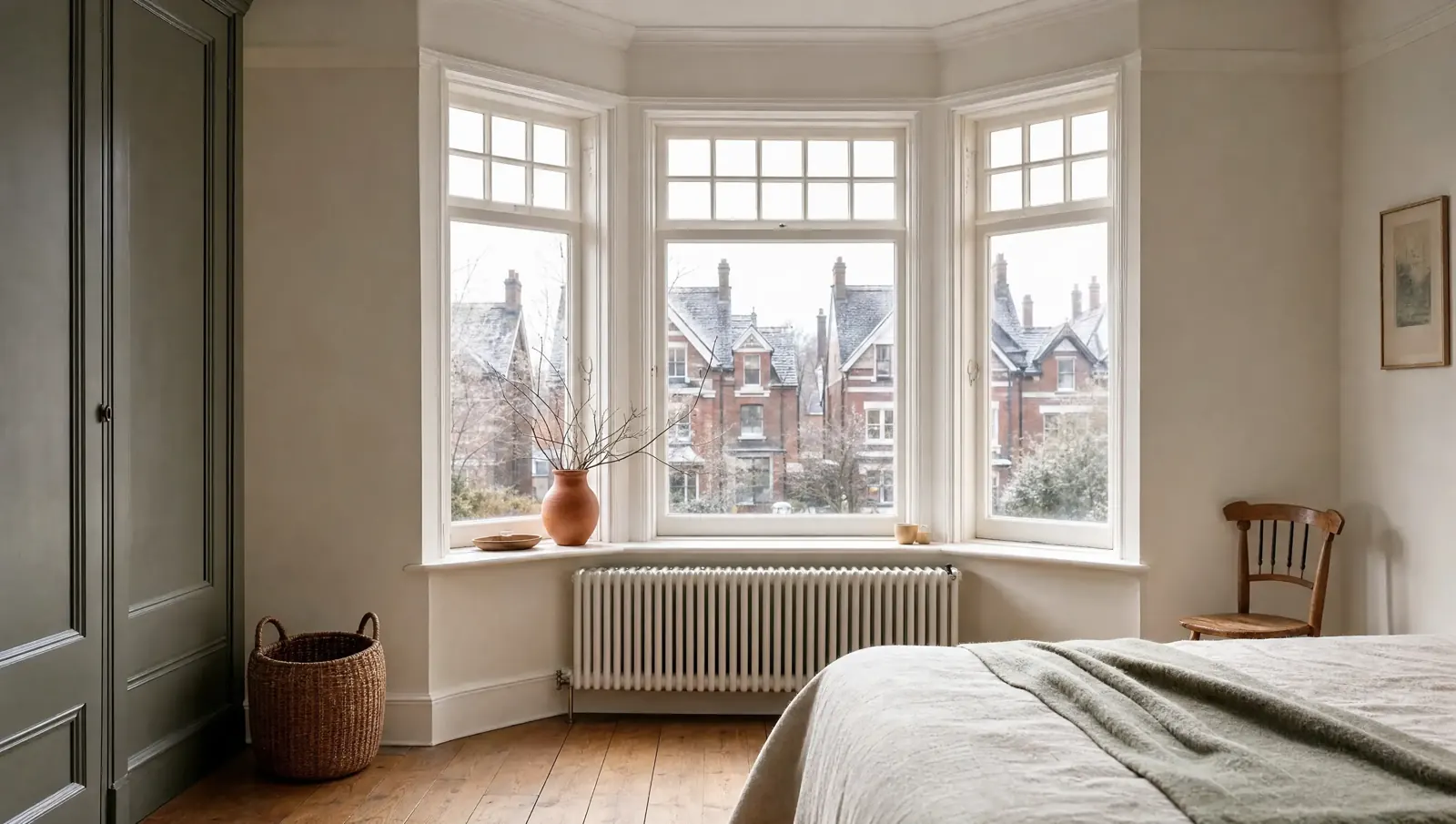
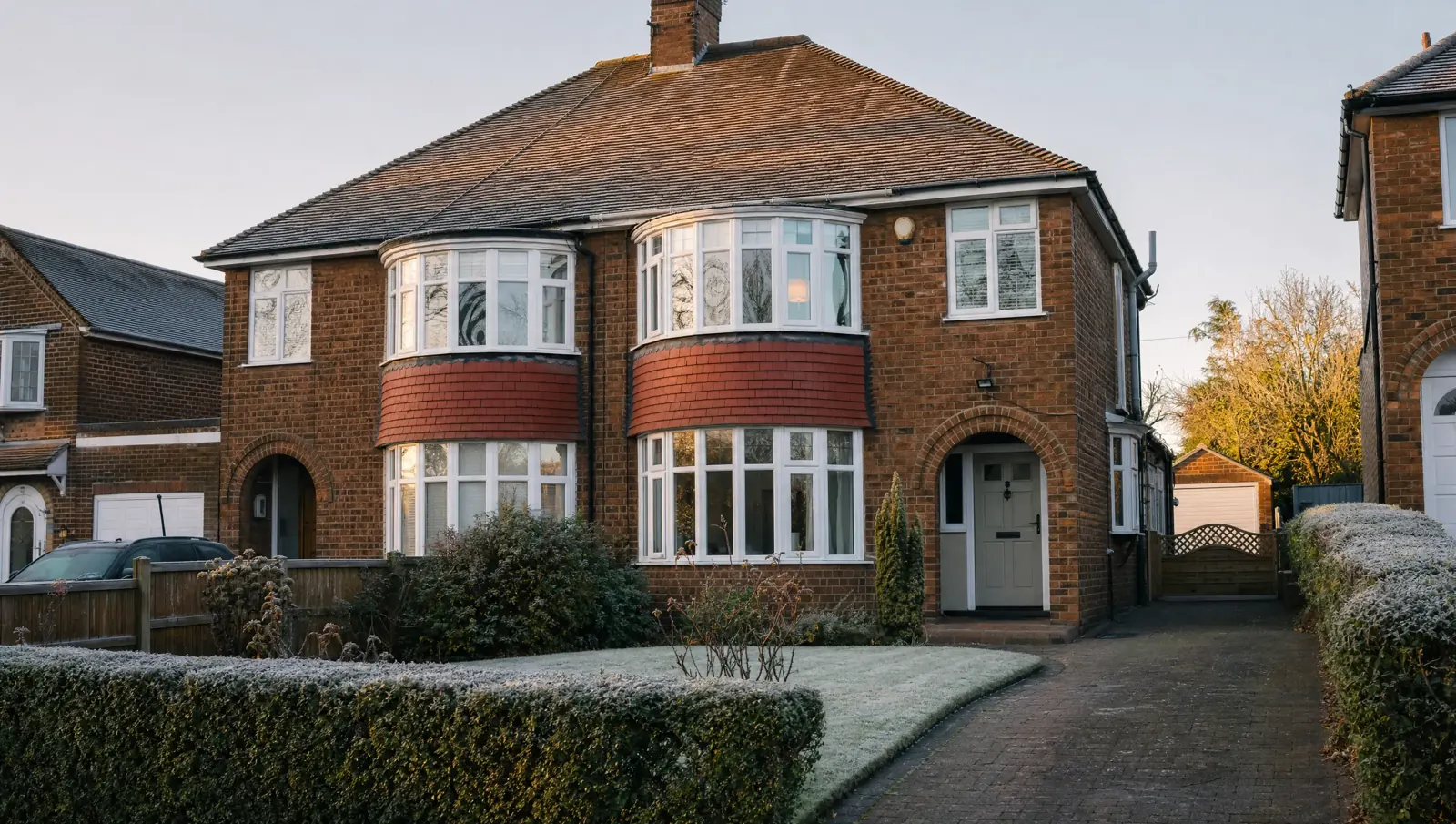
In 1930s semis the first place I look is usually the bay, because its thin panel under the window is often the coldest surface in the house. My guide on why bay windows are so cold explains what is hidden there.
Is black mould a health risk?
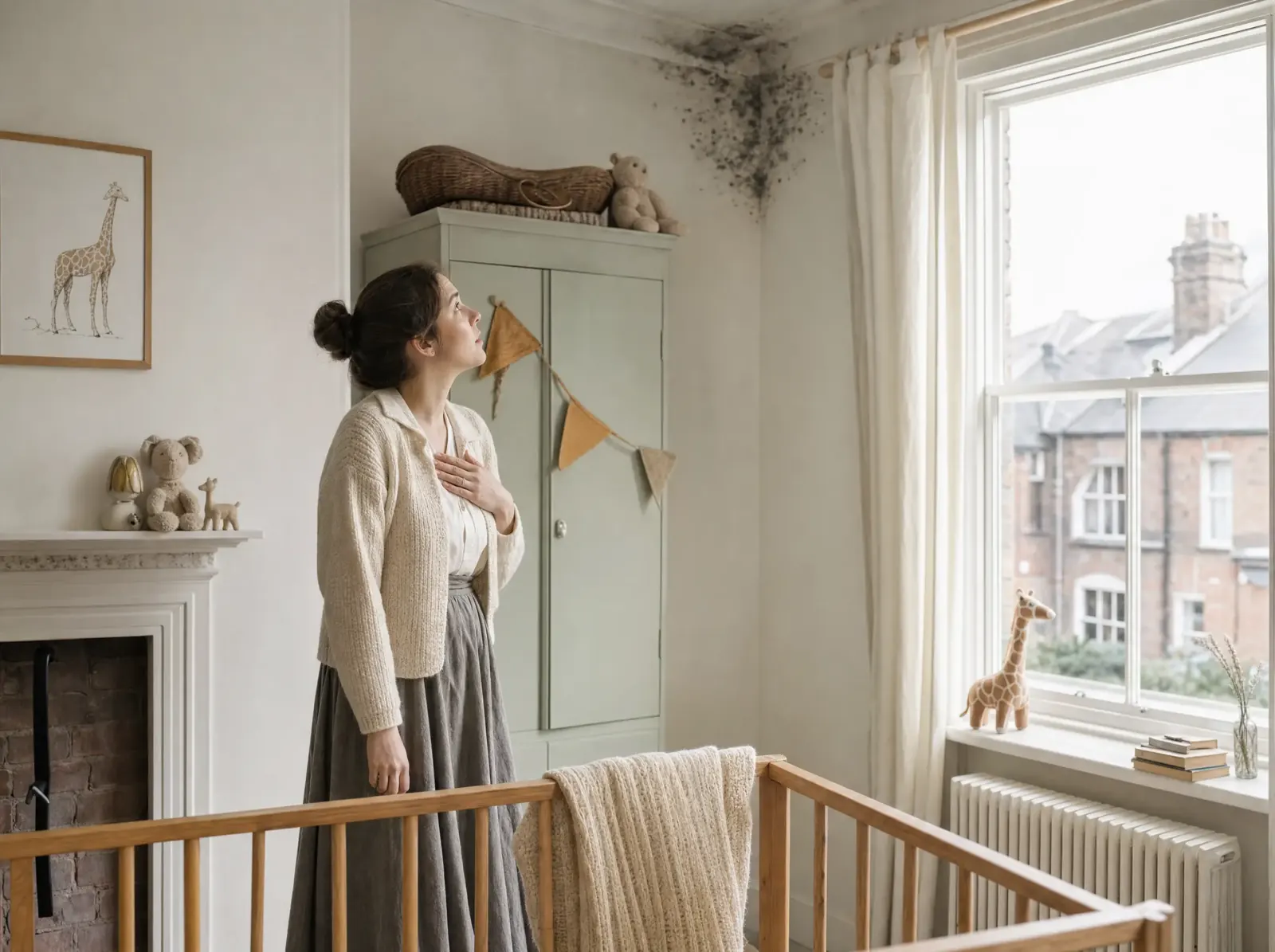
It can be, which is why it deserves attention rather than panic. Damp and mould are linked to coughing, wheezing, asthma and allergy flare-ups, chest infections and irritated eyes and skin. Babies and children, older people and anyone with a lung condition or weakened immune system are more vulnerable.
If you rent, tell your landlord in writing. In England, Awaab's Law already sets deadlines for social landlords to investigate and fix damp and mould. Its extension to private renting is not yet in force, but private landlords still have existing legal duties on damp, mould and the condition of the home.
Common questions
Does bleach kill black mould?
Bleach removes the colour of the stain and kills some surface growth, but on porous plaster and paint it mostly works on the surface, and the water in it adds a little more damp. A proper mould remover used as directed is a better choice. Either way, cleaning only buys time unless the cold surface and the moisture behind it are dealt with.
Will a dehumidifier stop mould?
A dehumidifier helps, especially while you dry washing indoors or in one problem room. It lowers the humidity so less moisture reaches cold surfaces. It does not warm the wall, so in a very cold corner mould can still appear. Use it alongside good ventilation habits and steady heating, and empty or drain it regularly.
Why is the mould always behind the wardrobe?
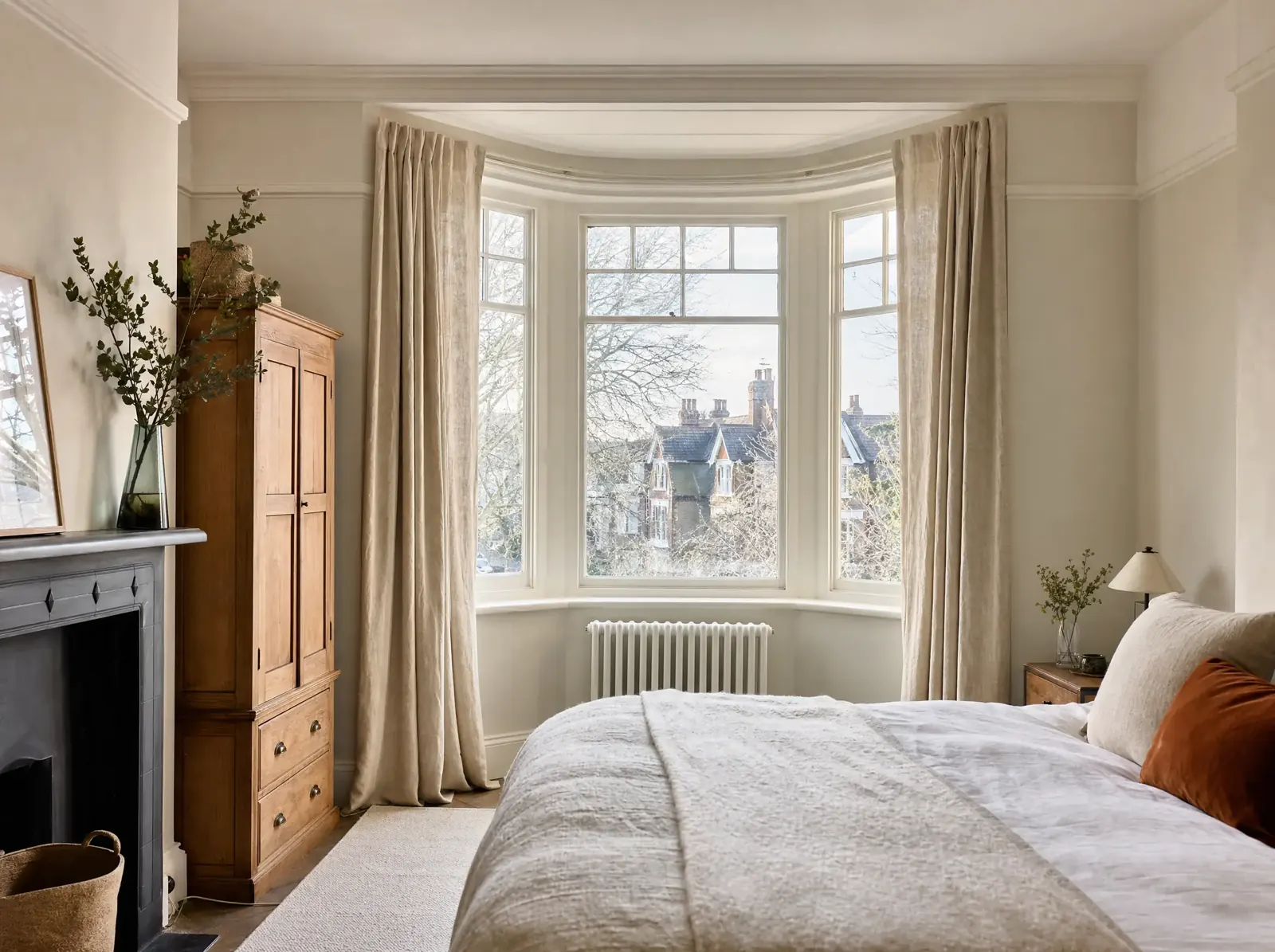
A wardrobe against an external wall blocks the room's warmth from reaching that wall, so the surface behind it becomes one of the coldest in the room. Air there barely moves, so moisture settles and stays. Pull the wardrobe a few centimetres off the wall, or move it onto an internal wall if you can.
How do I know if it is condensation or damp coming in?
Condensation mould usually appears as spots in corners, around windows and behind furniture, gets worse in cold weather and is worst in the morning. Damp coming in tends to show as a patch with a tide mark that grows after rain and is often in one spot. If you are unsure, get it inspected before spending money on treatments.
Can insulation make mould worse?
Badly designed or badly fitted insulation can. Gaps at reveals and corners leave cold spots where condensation concentrates, and the wrong system on a traditional solid wall can trap moisture inside the brickwork. That is why I survey first, run moisture modelling and pay close attention to the junctions. Done properly, insulation removes the cold surfaces mould relies on.
Can you get rid of mould without redecorating the whole room?
Small areas of surface mould can often be cleaned and spot-treated without redecorating. If the plaster itself is damp, crumbling or the mould keeps returning, the wall usually needs work, and that means making good and redecorating afterwards. I hand rooms back plastered and ready to decorate, so you can choose the finish yourself.