
Insulation · Sutton Coldfield, Walsall & nearby
Internal wall insulation in Sutton Coldfield, designed around your wall.
Internal wall insulation adds a warm layer to the inside of a cold solid wall, so the room heats up faster and holds its warmth. I choose the system after a free home visit and moisture modelling, then hand the room back plastered and ready to decorate.
Free home visit. Written quotation. No pressure.
Rated 5 out of 5 on Google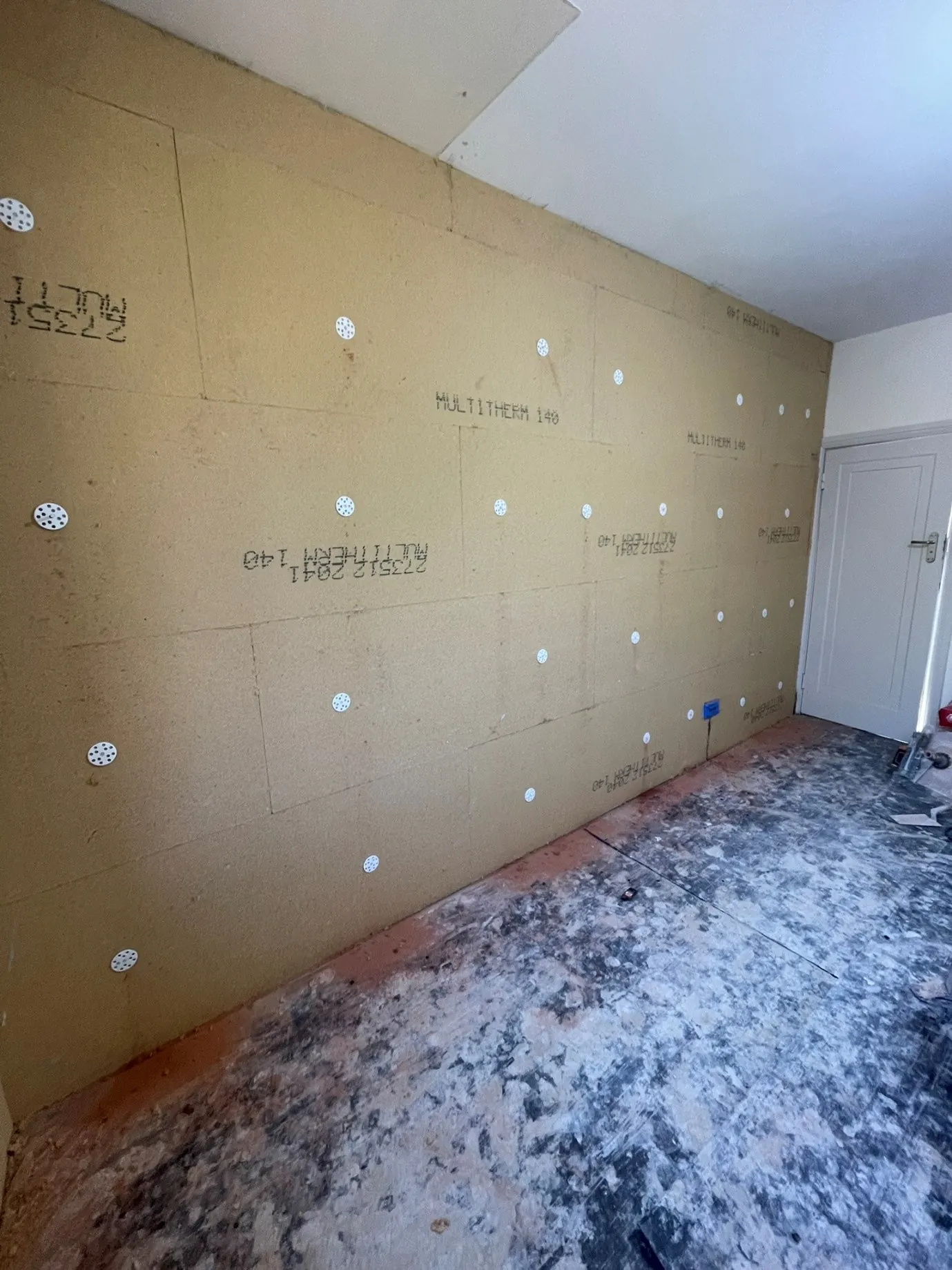
 Wojtek, Retrofit AssessorAssesses, designs and fits every job himself
On this page 10 sections
- What is internal wall insulation, and will it make my room warmer?
- Why does a solid-wall room feel cold even with the heating on?
- How do you decide which insulation is safe for my wall?
- Breathable or PIR insulation: which is right for my wall?
- How much room space will I lose?
- What happens to my sockets, radiators and skirting boards?
- Why do window reveals and junctions matter so much?
- Will internal wall insulation stop condensation and mould?
- How much does internal wall insulation cost in Sutton Coldfield?
- What is it like having the work done?
What is internal wall insulation?
Internal wall insulation is an insulating layer fixed to the inside face of an external wall, then plastered. It slows heat escaping through solid brick, makes the wall surface noticeably warmer and reduces the risk of condensation. On a typical wall it takes 3–5 days and costs from about £2,000, depending on the system.
What is internal wall insulation, and will it make my room warmer?
Yes, in most cold solid-wall rooms it makes a clear difference. Internal wall insulation (often shortened to IWI) is a layer of insulation fixed to the inside of an external wall, finished with plaster so the room looks just as it did, only warmer.
Many homes in Sutton Coldfield, Great Barr and Walsall were built with solid brick walls and no cavity to fill. The heating goes on, the air warms up, but the walls stay cold and the room never feels settled. Insulating the inside of those walls is often the most practical way to change that without touching the outside of the house.
People usually tell me three things afterwards: the room warms up quicker, it stays warm after the heating goes off, and it simply feels more comfortable to sit in. That comfort is the main reason most of my customers get in touch, more than the bills.
Why does a solid-wall room feel cold even with the heating on?
Because the wall itself is cold, and your body loses heat to cold surfaces around it. Warm air alone cannot fix that.
A useful way to measure a wall is its U-value: how easily heat passes through it. A lower number means less heat escapes. An uninsulated 225mm (9 inch) solid brick wall is roughly 2.0 to 2.1 W/m²K, which is poor by modern standards.
As a simple illustration, bringing a wall from 2.0 down to 0.5 W/m²K cuts the calculated heat loss through that wall by 75%, with the same temperatures inside and out. The real figures depend on your wall and the system chosen, and the saving on that wall is not the same as the saving on your whole heating bill.
There is also radiant heat loss. Sit next to a cold wall and you lose warmth to it, a bit like standing near an open fridge. Turning up the thermostat helps for a while, but it does not change how well the wall holds back heat. Warming the wall surface does. My guide on why a house feels cold explains this in more detail.
How do you decide which insulation is safe for my wall?
I look at the wall first, then model how moisture will behave before I recommend anything. The wall decides the system, not a price list.
At the free home visit I check the construction, the condition of the brickwork and pointing, any signs of damp, the existing plaster, how exposed the wall is to driving rain, and how the house is ventilated. I also ask how you use the room and what you want it to feel like.
I am a qualified Retrofit Assessor and Domestic Energy Assessor, so this part is my job, not an add-on. With that information I run moisture (hygrothermal) modelling. It predicts how heat and water vapour will move through the new wall build-up over the seasons, so I can choose a system and a thickness that keep the brickwork able to dry out.
If the survey shows a real damp problem, such as broken pointing, a leaking gutter or bridged ground levels, that gets fixed first. Insulation should never be used to hide a defect.
Breathable or PIR insulation: which is right for my wall?
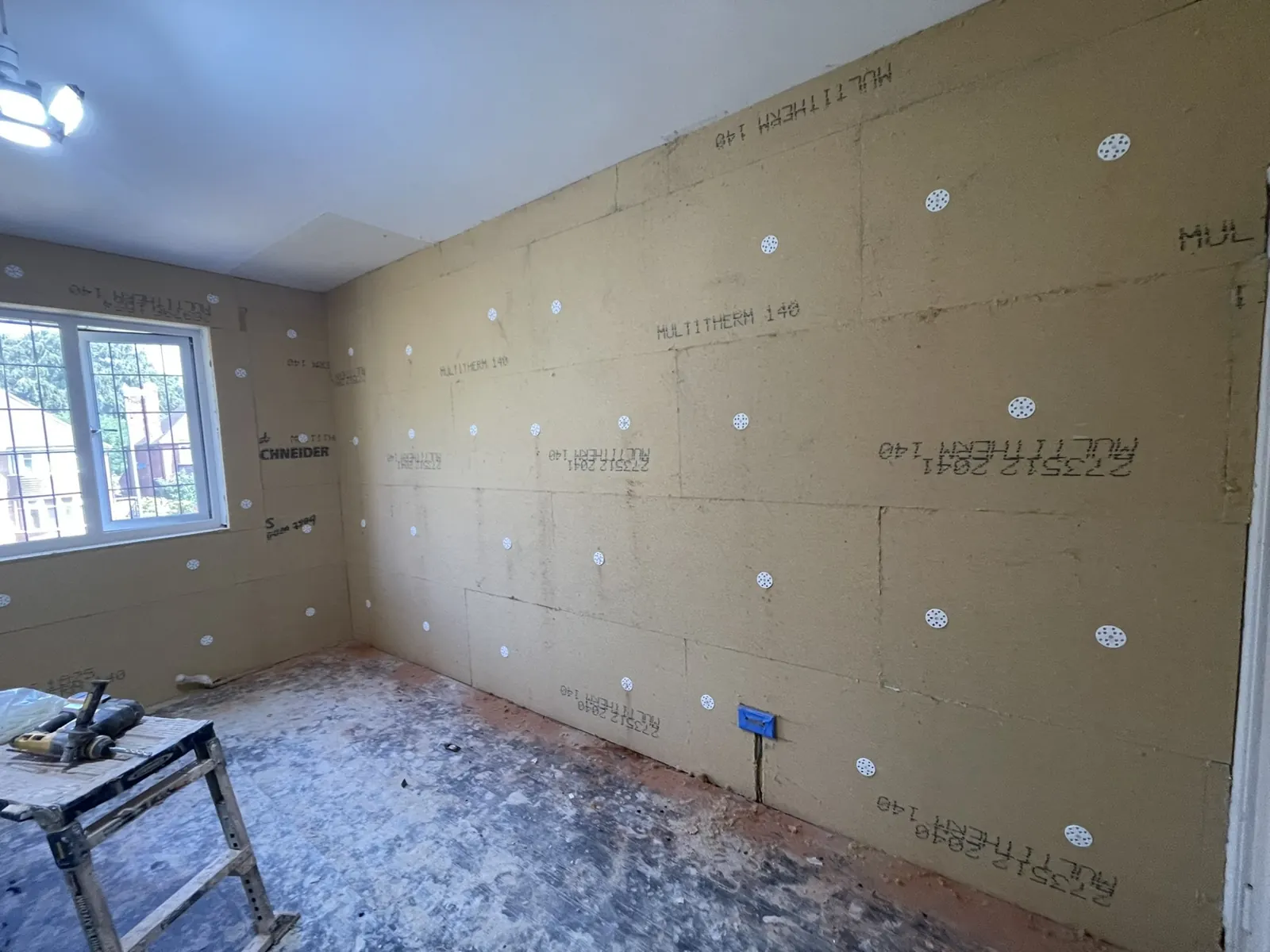
For most traditional solid brick homes I prefer a breathable (vapour-open) system, but PIR has its place where space is tight and the wall suits it. I fit both, and I will explain why I recommend one over the other for your home.
Breathable systems let water vapour pass through, so the wall keeps its natural drying routes. Government guidance on internal wall insulation generally favours this approach for traditional solid walls. PIR is a rigid foam board that insulates very well for its thickness but stops vapour, so the detailing has to be very careful.
| Breathable (wood fibre, cork, lime) | PIR (insulated plasterboard) | |
|---|---|---|
| How it handles moisture | Vapour-open, lets the wall dry out | Vapour-closed, relies on a sealed vapour control layer |
| Insulation per mm | Good, needs more thickness | Very high, thinner for the same result |
| Finish | Lime plaster, solid and quiet to knock on | Plasterboard and skim |
| Best suited to | Older solid brick, period homes, rooms prone to condensation | Rooms where every millimetre counts and the wall is sound and dry |
| Typical time per wall | About 5 days | 3–4 days |
| Typical cost per wall | Around £3,000 | £2,000–£3,000 |
A natural board alone does not make a system safe. The adhesive, base coat, plaster and even the paint all need to be vapour-open for a breathable wall to work, so I specify the whole build-up, not just the board, usually finishing with lime plaster.
How much room space will I lose?
Usually between about 20mm and 80mm off the wall, including plaster. On a typical bedroom wall that is less than you would notice once the furniture is back.
PIR systems are the slimmest. Wood fibre and cork need a little more thickness for the same performance. Sometimes I use different thicknesses on different walls, as I did in this 1930s bedroom, where a thinner board next to an en-suite door avoided having to alter the doorway. I will mark the finished wall line during the visit so you can see exactly where it will sit.
What happens to my sockets, radiators and skirting boards?
They all come off, and they all go back, neatly, on the new wall surface. This is where a lot of the care goes, and you do not have to arrange it yourself.
- Sockets and switches: brought forward to the new surface with deeper back boxes, organised with a trusted electrician.
- Radiators: taken off, then re-hung on fixings that go properly into solid support, not just into insulation. If a bigger radiator makes sense, the plumber can swap it at the same time.
- Skirting boards: carefully removed and refitted. Original or decorative skirting can be saved and reinstated.
- Window boards and coving: extended or refitted to suit the new wall depth.
- Curtain poles and shelves: I will tell you where the fixing points are, so nothing hangs off insulation alone.
If you want me to, I manage the whole project: electrician, plumber, joiner and waste removal. You deal with one person.
Why do window reveals and junctions matter so much?
Because that is where cold spots and mould come back if the job is rushed. A wall can be well insulated in the middle and still fail at the edges.
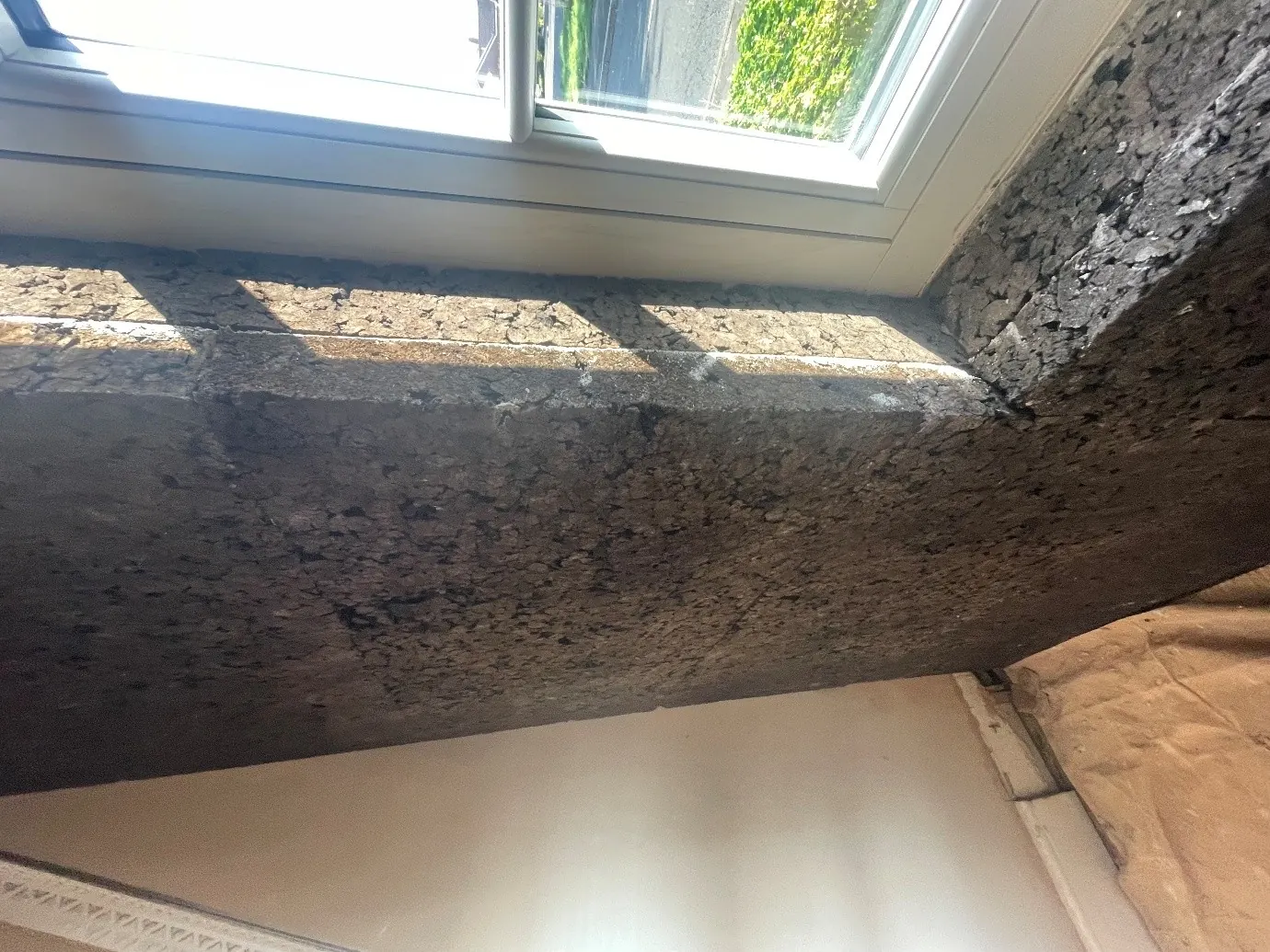
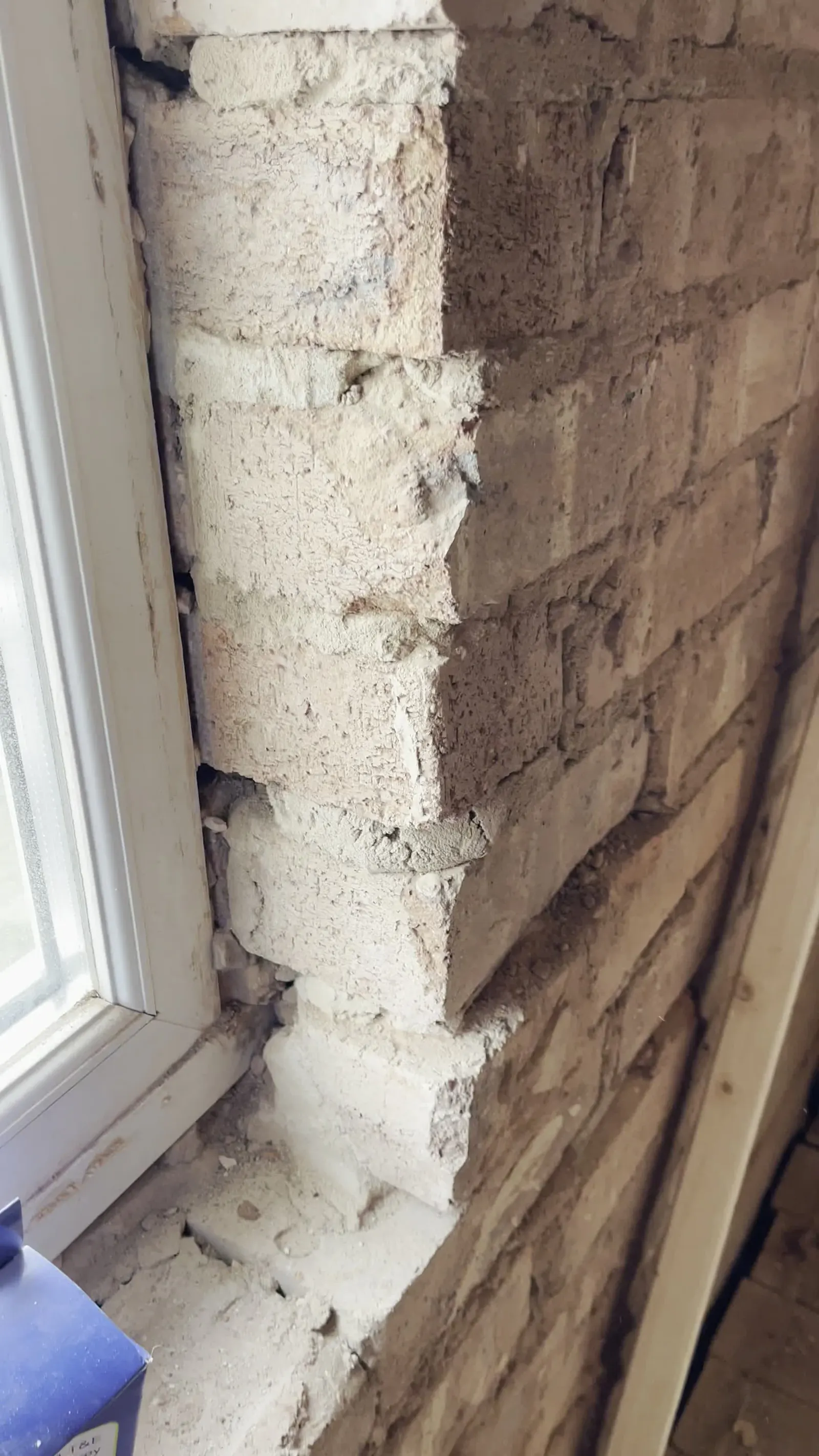
The places I pay most attention to are the window reveals, the corners, the floor and ceiling edges, and where internal walls meet the external wall. Reveals often only have room for a thin board, but even a thin layer lifts the surface temperature where condensation usually starts. Board joints, edges and pipe or cable holes are sealed so the insulation is continuous.
Once the plaster is on, all of this is hidden. That is why I explain it before you compare quotes: two prices can look similar while the detailing behind them is very different.
Will internal wall insulation stop condensation and mould?
It removes one of the main causes, the cold wall surface, which often makes a big difference. But ventilation still has to do its job.
Condensation forms when warm, moist air meets a cold surface. Insulation warms the surface, so there is less chance of water settling on it. Everyday moisture from cooking, showers and drying clothes still has to leave the house, and even a breathable wall does not replace fresh air.
Where it is needed I recommend trickle vents, door undercuts, extractor fans or heat recovery ventilation, and organise them with trusted trades. You can read more on my condensation and black mould page.
How much does internal wall insulation cost in Sutton Coldfield?
From about £2,000 per wall. A PIR system is typically £2,000–£3,000 a wall and takes 3–4 days; a breathable system is around £3,000 and about 5 days.
The price depends on the size of the wall, the number of windows and reveals, the system, what needs moving (radiators, sockets, skirting) and whether the old plaster has to come off. After the home visit you get a clear written quote with everything listed, so there are no surprises halfway through.
Funded schemes such as ECO4 exist for eligible households, and they can be a good route for some people. My work is for homeowners who want the system designed for their particular wall and finished properly, and who are happy to pay for that care.
What is it like having the work done?
Calmer than most people expect. The room is out of use for a few days, the rest of the house carries on.
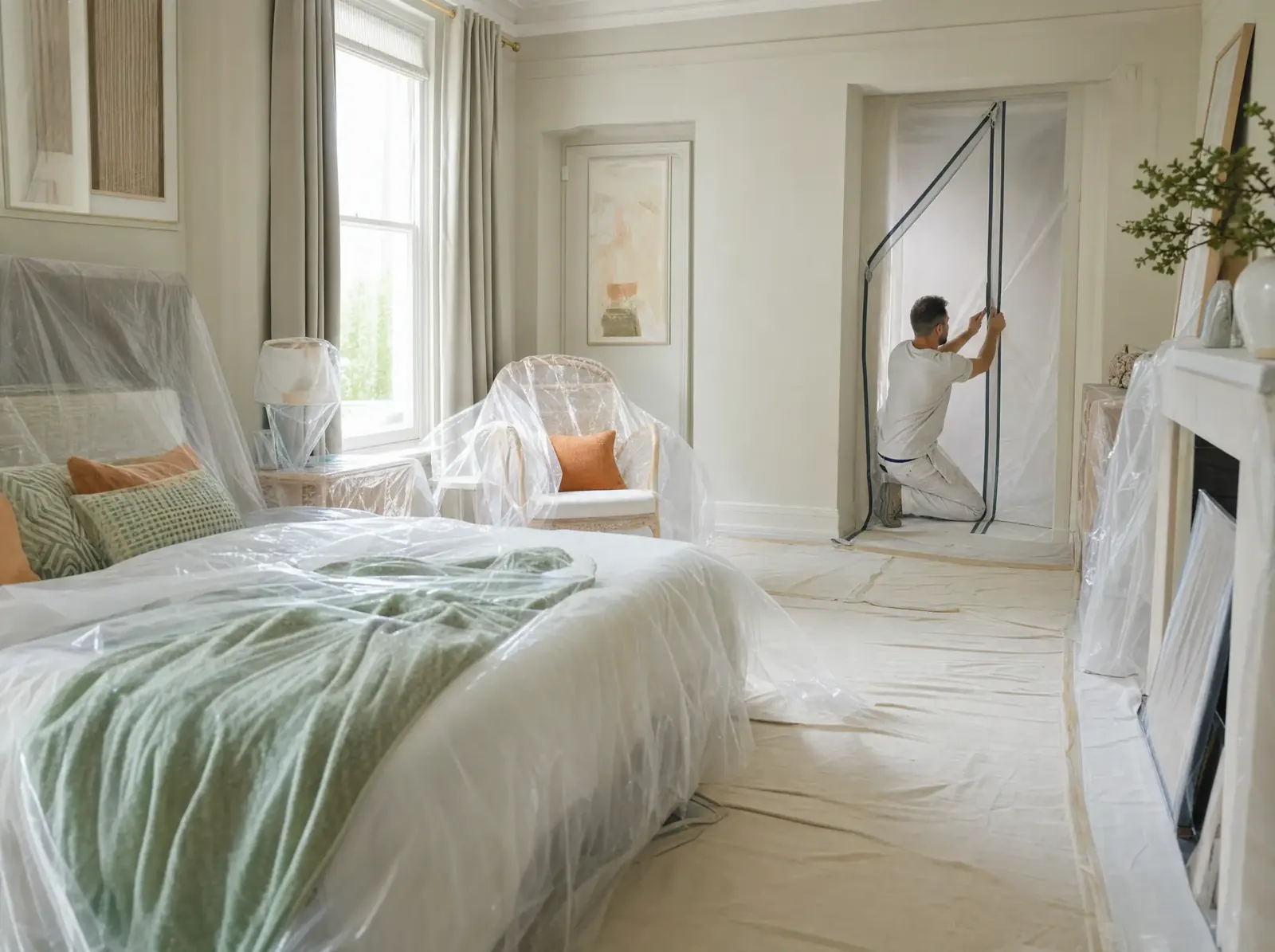
Before we start you get a pre-start information guide, so you know what happens each day. We cover floors and protect furniture, keep the work area tidy at the end of each day, and I walk round the finished room with you at handover. The walls are left plastered and ready for you or your decorator. About four weeks later I call to check how the room feels. For bay rooms, see bay window insulation.
Thermal imaging
See where your heat really goes.
Solid walls and bays stay cold, so warmth drains out and moisture settles on them. Drag to compare the same room before and after.
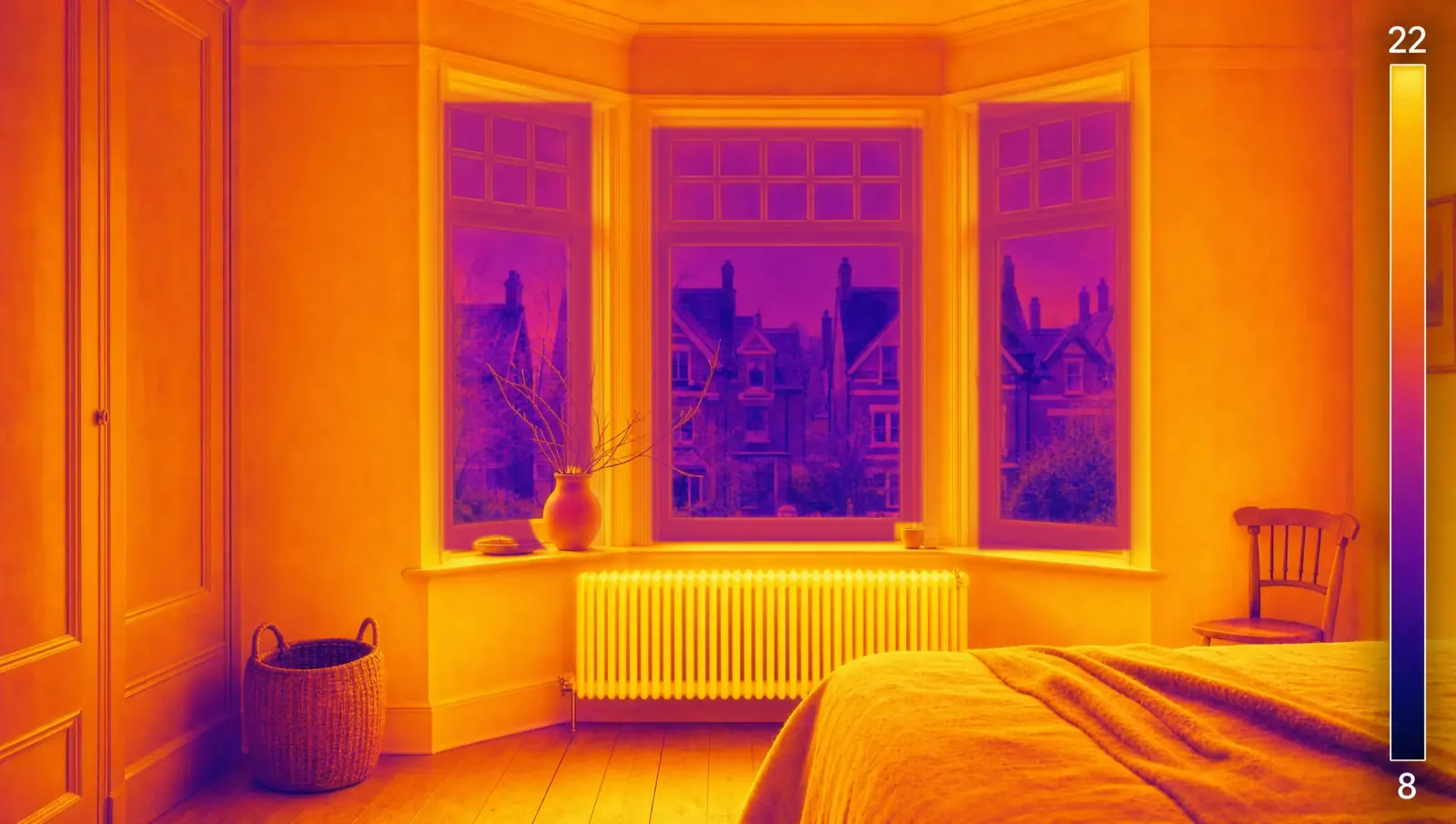
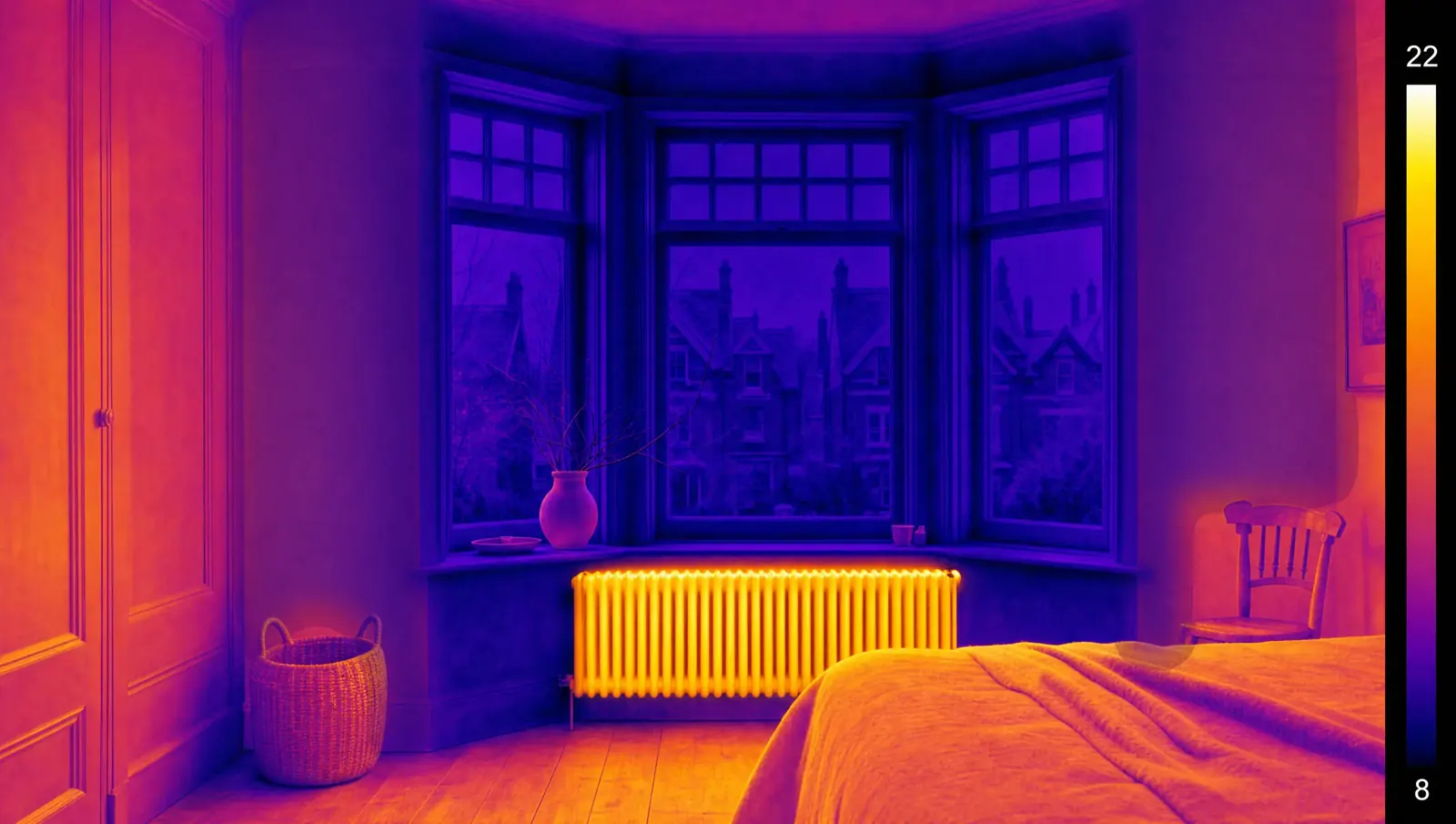
Thermal images are illustrative.
How the job runs.
Free home visit
I listen to what is wrong, look at the walls, check for damp and ventilation issues, and measure up.
Moisture modelling and design
I model how the wall will handle heat and moisture, then choose the system and thickness that suit it.
Written quote and pre-start guide
You get a clear quote, insurance details, the guarantee terms and a guide explaining each day of the work.
Installation
Rooms protected, plaster removed where needed, insulation fitted, reveals and junctions detailed, then plastered.
Handover and aftercare
We inspect together, you get an aftercare and maintenance plan, and I call about four weeks later.
Homeowners who called me.
Real reviews from homeowners across the West Midlands, all 5 stars on Google, where you can read every one.
“We had insulation done in our main bedroom, outside wall including bay. From his initial visit, to quotation process and actually doing the work, he was very efficient. It was a pleasure to have Wojtek working in our house.”
“We had our house insulated recently and the difference is honestly amazing. Before, it used to take forever to warm the house up, we’d got to the point where we were even talking about selling because it was just that cold.”
“We’d had black mould forming on our bay window for years and had almost given up trying to clean it off. Nothing we tried ever worked. Then we came across Wojtek at aPlastering.”
“We recently had two rooms insulated by aPlastering, and honestly, they were brilliant from start to finish. They explained everything clearly, the communication was great, and the price was straightforward with no surprises.”
“Our experience with aPlastering was exceptional from start to finish. Wojciech did a thorough survey prior to providing a quote and was crystal clear on what was required. The price was fair for the work required.”
“A very professional and reliable service throughout. From initial enquiry to completion, communication was prompt, with a clear quotation and timeline provided.”
“Excellent professional service, great time keeping, and perfect job. I had insulated plasterboard fitted, soundproof plasterboard and all skimming to a large ground floor, excellent finish throughout and more importantly 3 years in and no cracks.”
“We were let down last minute and he came out to provide a quote the very same day and had our bedroom beautifully plastered the following day, all to an incredibly high standard.”
Free download · 14 pages
Before anyone insulates your walls, ask these 15 questions.
Most of the quality in internal wall insulation ends up hidden behind new plaster. This free buyer's guide from Retrofit Assessor Wojtek Pankowski gives you the questions to ask every installer, what a good answer sounds like and the red flags to watch for.
Get the free guideYour questions, answered.
Anything else, ring me on 07763 789272. Happy to talk it through.
Get a free quoteHow much does internal wall insulation cost per wall?
From about £2,000 per wall. PIR systems usually cost £2,000–£3,000 and breathable wood fibre or cork systems around £3,000. The final price depends on wall size, windows, reveals and what needs moving, and you get a fixed written quote after the free home visit.
How long does it take to insulate one wall?
Usually 3–4 days for a PIR system and about 5 days for a breathable system with lime plaster. Lime needs time to set between coats, which is part of why it takes a little longer. The room is out of use during the work, but the rest of your home carries on as normal.
Is breathable insulation better than PIR?
Not always, but for most traditional solid brick walls I prefer it, because it keeps the wall's drying routes open. PIR is thinner for the same performance and can suit a sound, dry wall where space is tight. Moisture modelling at the survey tells me which is safer for your wall.
Can internal wall insulation cause damp?
It can if the wrong system is used or the detailing is poor, which is why I survey and model the wall first. Existing damp is fixed before any insulation goes on, reveals and junctions are carefully detailed, and ventilation is checked. Done properly, it usually reduces condensation by warming the wall surface.
Do I need to move out while the work is done?
No. Only the room being insulated is out of use, normally for 3–5 days per wall. We protect floors and furniture, keep dust contained and tidy up every day. Most people carry on working from home or living around the job without much trouble.
Will I need to redecorate afterwards?
Yes, the insulated walls are handed back plastered and ready to decorate, but I do not decorate myself. On a breathable system you will need a vapour-open paint, such as a mineral or clay paint. Your aftercare plan explains which finishes are suitable, so you keep the system working.
Do I need planning permission or building control?
Planning permission is not normally needed for insulating inside, unless the house is listed. Building regulations can apply when an external wall is renovated, so I will tell you at the survey whether building control needs to be involved and what the target is for your wall.
Which areas do you cover?
I am based in Walsall and work across Sutton Coldfield, Great Barr, Aldridge, Lichfield, Cannock, Wolverhampton, Solihull and Birmingham, generally within about an hour to an hour and a half. If you are not sure whether you are in range, just ring 07763 789272.
You might also need.
Let's make that room warm again.
Free, no-obligation quote. I'll come and look at the room, tell you honestly what's going on and give you a written quotation.
- TodayI read your message and call or WhatsApp you back.
- This weekA free home visit at a time that suits you.
- Within daysA clear written quote. No pressure, no chasing.
Wojtek, Retrofit AssessorUsually replies the same day
Tell me what's going on. It takes about a minute.
Get a free quote 07763 789272 Or send photos on WhatsApp