Insulation
Internal wall insulation cost: what you pay and is it worth it?
Internal wall insulation typically costs from about £2,000 per wall with me in the West Midlands: around £2,000 to £3,000 for a PIR system over 3 to 4 days, and around £3,000 for a breathable wood fibre and lime system over about 5 days. These are typical ranges only. Every house is different, and the real figure comes in a written quotation after a free survey.

Wojtek Pankowski, Retrofit AssessorUpdated 9 October 2026 · 8 min read
On this page 8 sections
- What does internal wall insulation cost per wall?
- Why don't I quote internal wall insulation per square metre?
- What is included in the price?
- How much room will I lose?
- Is internal wall insulation worth it in a 1930s house?
- What are the disadvantages and problems?
- Can I get a grant for internal wall insulation?
- When should I call a specialist?
How much does internal wall insulation cost in the UK?
For one external wall in a typical bedroom, expect from about £2,000. A slim PIR system bonded with PU adhesive usually comes to £2,000 to £3,000; a breathable wood fibre system finished in lime plaster is around £3,000. Windows, reveals, radiators, sockets and the state of the old plaster move the price more than the insulation board does.
What does internal wall insulation cost per wall?
Here are my typical ranges for the systems I fit, as of October 2026. They are a guide to help you plan, not a quotation. Every house is different, and you get a fixed written quote after a free survey.
| System | Typical price | Typical time | Finish |
|---|---|---|---|
| PIR board bonded with PU adhesive | £2,000 to £3,000 per wall | 3 to 4 days | Plasterboard and skim |
| Wood fibre with lime plaster | Around £3,000 per wall | About 5 days | Lime plaster, vapour-open |
| Internal spray cork coating | Quoted after a visit | Depends on area | Natural texture or smooth skim |
| Bay window insulation | From about £1,700 per bay | 3 to 5 days | Plastered, ready to decorate |
The breathable system costs more and takes longer mainly because lime needs time between coats. The PIR system is slimmer for the same performance, but it relies on a sealed vapour control layer, so the detailing has to be very careful. Which one is right depends on your wall, not on the price list. My internal wall insulation page explains the systems in more detail.
Why don't I quote internal wall insulation per square metre?
Because the board is the cheap part. Most of the time, and most of the skill, goes into everything around it: the window reveals, the corners, the skirting, the sockets and the radiator. A plain 3 metre wall and the same wall with two windows have similar areas but very different amounts of work.
A price per square metre can look attractive and still leave out the parts that decide whether the job works. When you compare quotes, check that each one includes:
- a survey of the wall and moisture modelling, not just a measurement;
- the reveals, with at least a thin insulated return so they do not become cold spots;
- taking off and refitting radiators, sockets, skirting and window boards;
- the plaster finish, ready to decorate;
- what happens if the old plaster has to come off.
Two quotes can look similar on paper while the detailing behind them is completely different, and once the plaster is on you cannot see it.
What is included in the price?
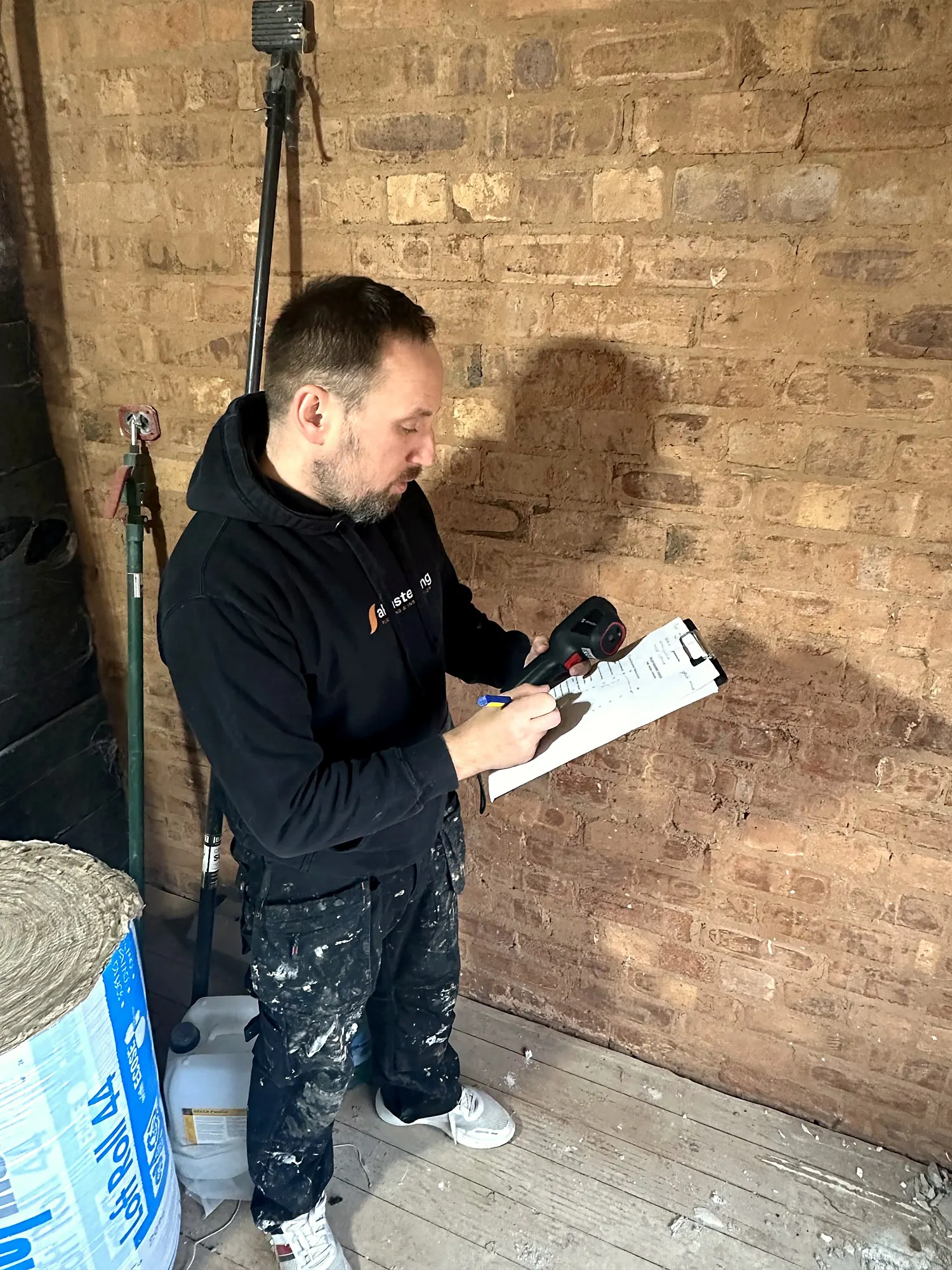
On my jobs the price covers the whole wall, from survey to a plastered finish. That means the free home visit and moisture modelling, protecting the room, preparing the wall, fitting the insulation, detailing the reveals and junctions, and plastering ready for you or your decorator.
Sockets, radiators and skirting are taken off and put back on the new surface. Electrical and plumbing work is organised with trusted trades, so you deal with one person. Decorating is not included: I hand the walls back ready to decorate, and on a breathable system you will need a vapour-open paint, such as a mineral or clay paint.
You also get insurance details, a pre-start guide and an aftercare plan, and I call about four weeks after the job to check how the room feels.
How much room will I lose?
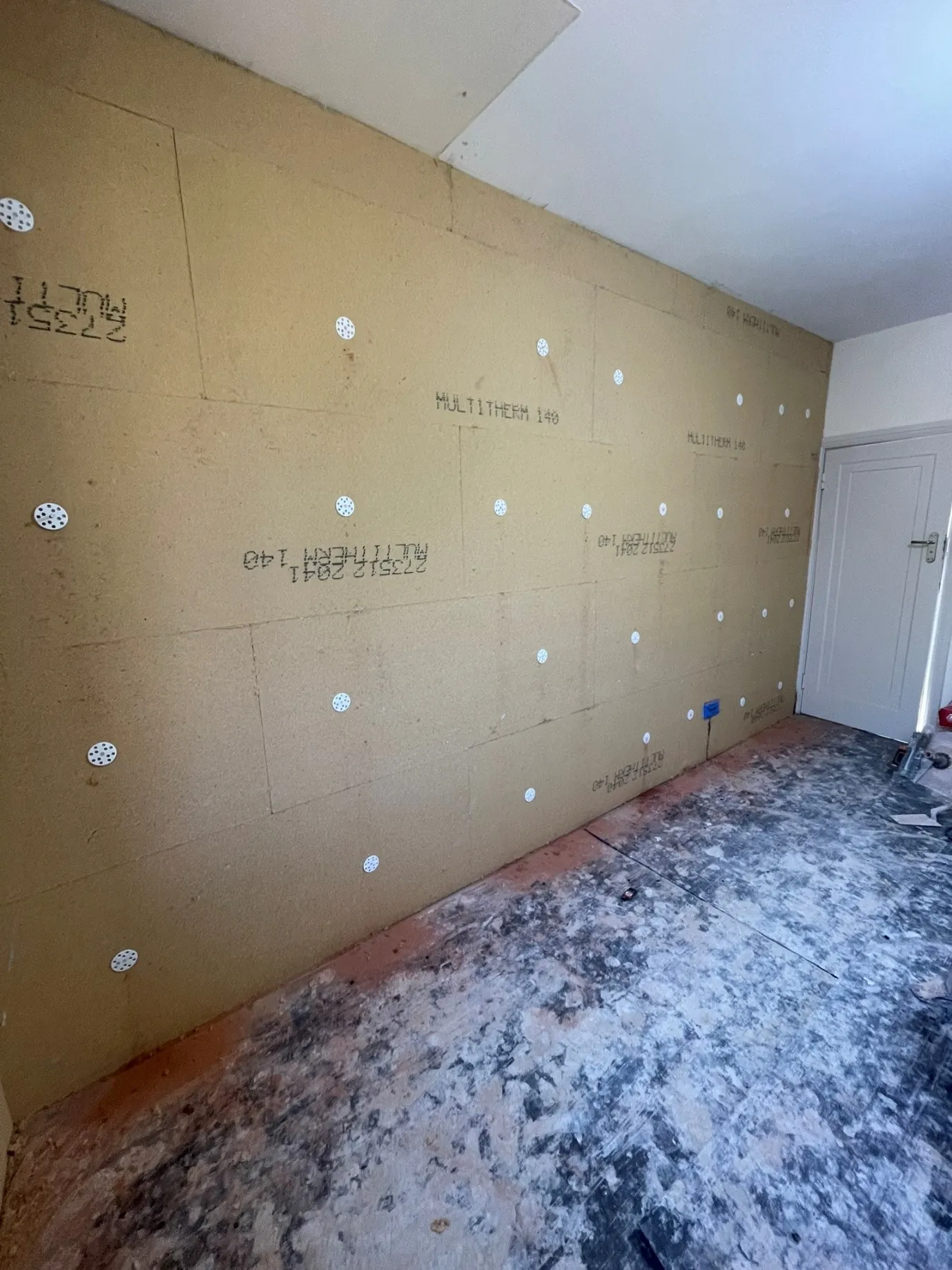
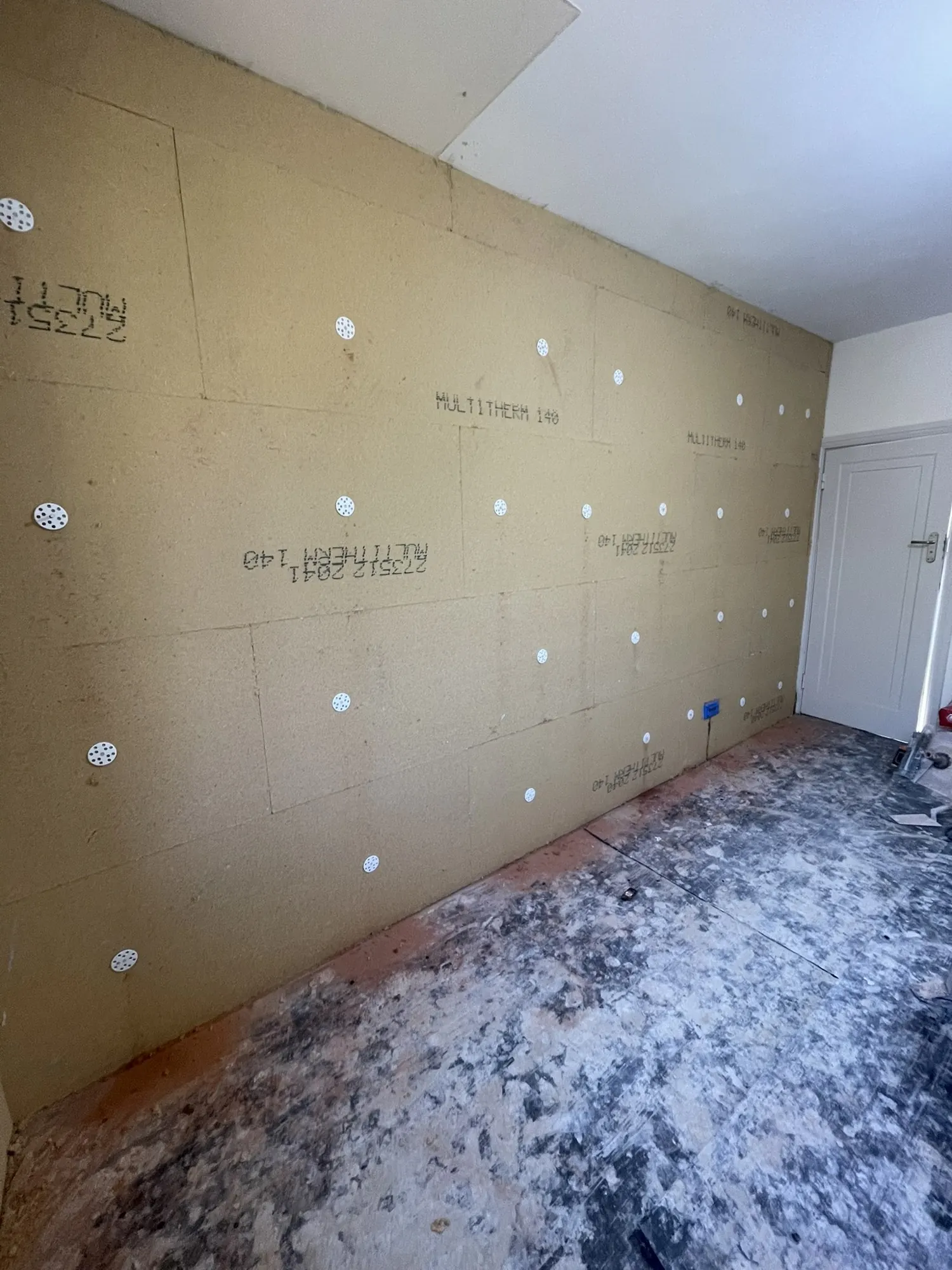
Usually between about 20mm and 80mm off the wall, including plaster. PIR is the slimmest. Wood fibre and cork need a little more thickness for the same performance. In the 1930s bedroom case study I used 40mm wood fibre on the main wall and 25mm next to an en-suite door, so the doorway did not need altering.
On a typical bedroom wall, that is less than you would notice once the furniture is back. I mark the finished wall line during the visit so you can see exactly where it will sit, and check the window board depth, radiator position and curtain track at the same time.
Is internal wall insulation worth it in a 1930s house?
For a cold solid-wall room, usually yes, but mainly for comfort. An uninsulated 225mm solid brick wall has a U-value of roughly 2.0 to 2.1 W/m²K. Bringing it down to around 0.5 cuts the calculated heat loss through that wall by about 75%. In my case study the estimated heat loss through the two insulated walls fell by about 71% and 60%.
Be careful with bill savings, though. The saving on one wall is not the same as the saving on your whole heating bill, which also depends on the roof, floor, windows, draughts and how you heat the house. What people notice first is that the room warms up quicker, stays warm after the heating goes off and no longer grows mould in the corners.
It is not worth doing yet if the wall is wet from a leak, failed pointing or high ground outside, because that has to be fixed first. It may also not be the right choice if you are planning external wall insulation, or if a smaller fix such as a cork coating or better ventilation would solve the problem. The Energy Saving Trust guide to solid wall insulation is a useful independent overview.
What are the disadvantages and problems?
Internal wall insulation is a good fix when it is designed properly, and an expensive problem when it is not. The honest downsides are:
- Room space: 20 to 80mm off each insulated wall.
- Disruption: the room is out of use for about 3 to 5 days per wall.
- Moisture risk: the wrong system on a traditional solid wall can trap moisture inside the brickwork. That is why I run moisture modelling before choosing one.
- Cold spots at the edges: gaps at reveals, corners and floor or ceiling junctions leave cold strips where condensation concentrates.
- Fixings: heavy items such as radiators, shelves and wall-mounted TVs need fixing back into solid support, not just into insulation.
- Building regulations can apply when an external wall is renovated, which I check at the survey.
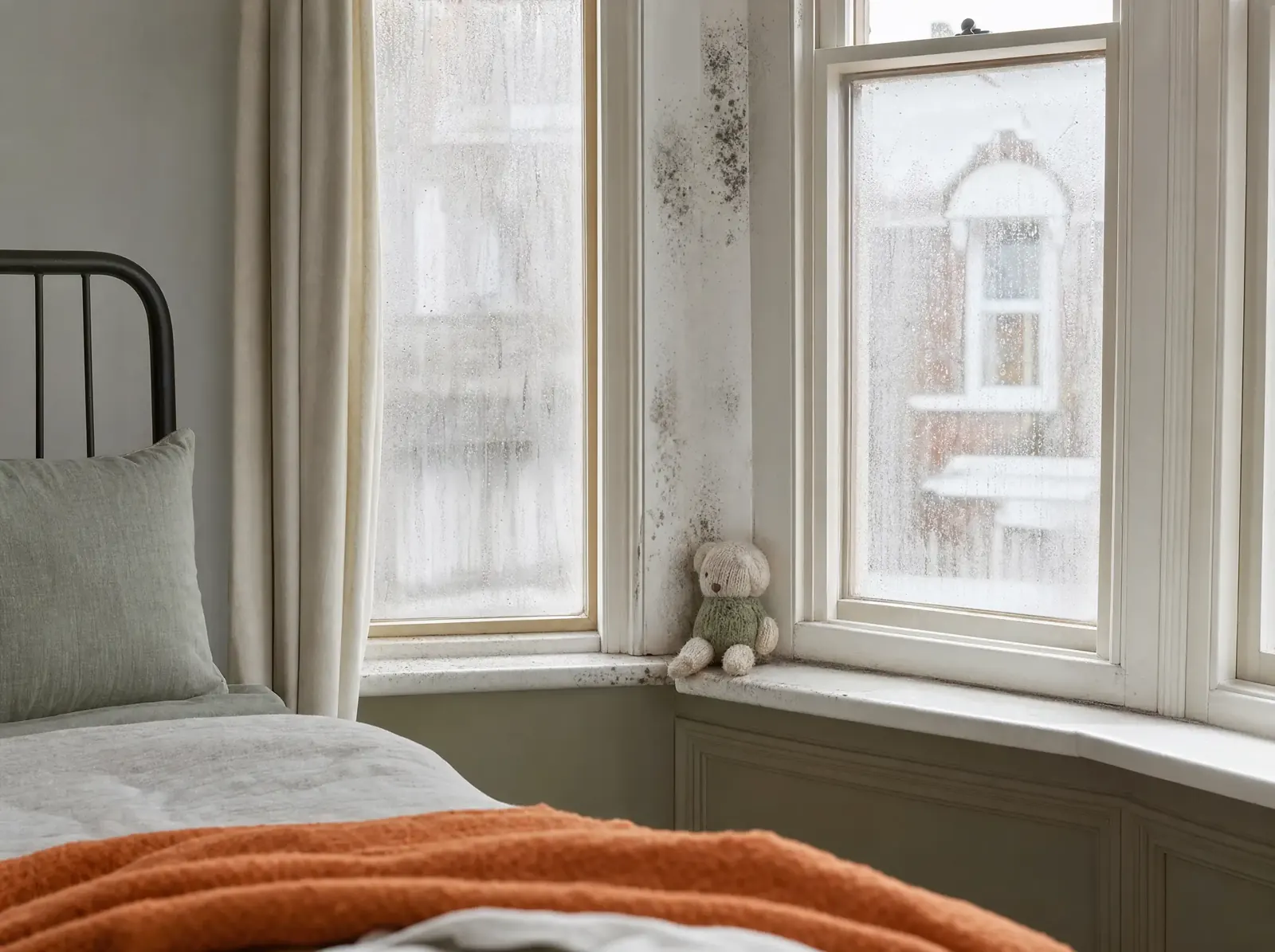
The one mistake that turns internal wall insulation into a mould problem is leaving the edges cold. A wall can be well insulated in the middle and still grow mould around the window if the reveals were skipped to save time.
Can I get a grant for internal wall insulation?
Possibly, depending on your household. The government's Great British Insulation Scheme and the Energy Company Obligation (ECO4) are run through energy suppliers and have their own eligibility rules, based on things like council tax band, income, benefits and the property's energy rating. Check gov.uk for the current criteria before you plan around them.
Funded schemes can be a good route for some people. My work is privately paid, for homeowners who want the system designed for their particular wall and finished properly, and who prefer to choose their own installer and timing.
When should I call a specialist?
Call when one room is always colder than the rest, when mould returns to the same outside wall every winter, or when you are comparing quotes and want someone to explain what should be in them. A survey before any product talk is the best protection against an expensive mistake.
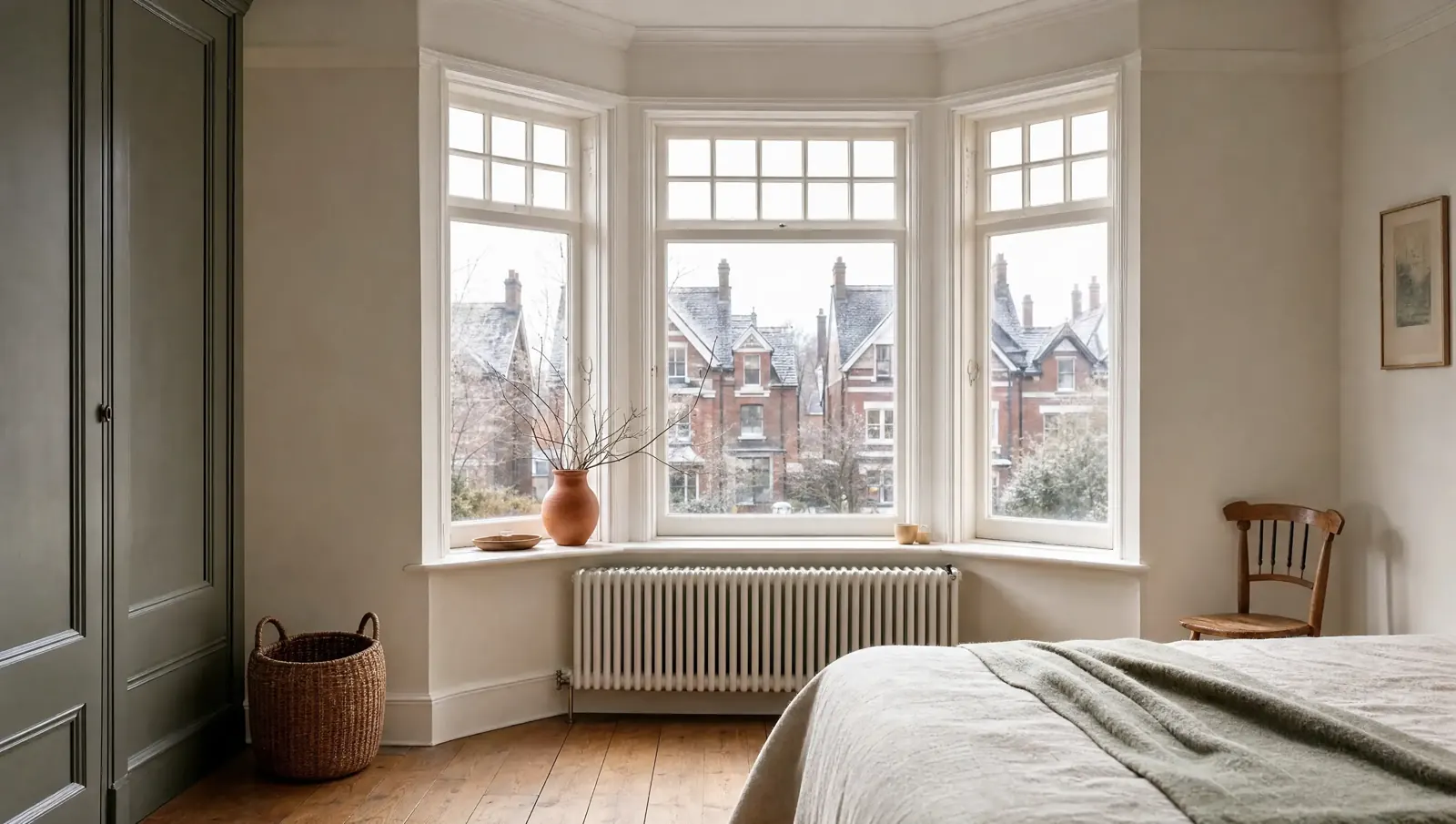
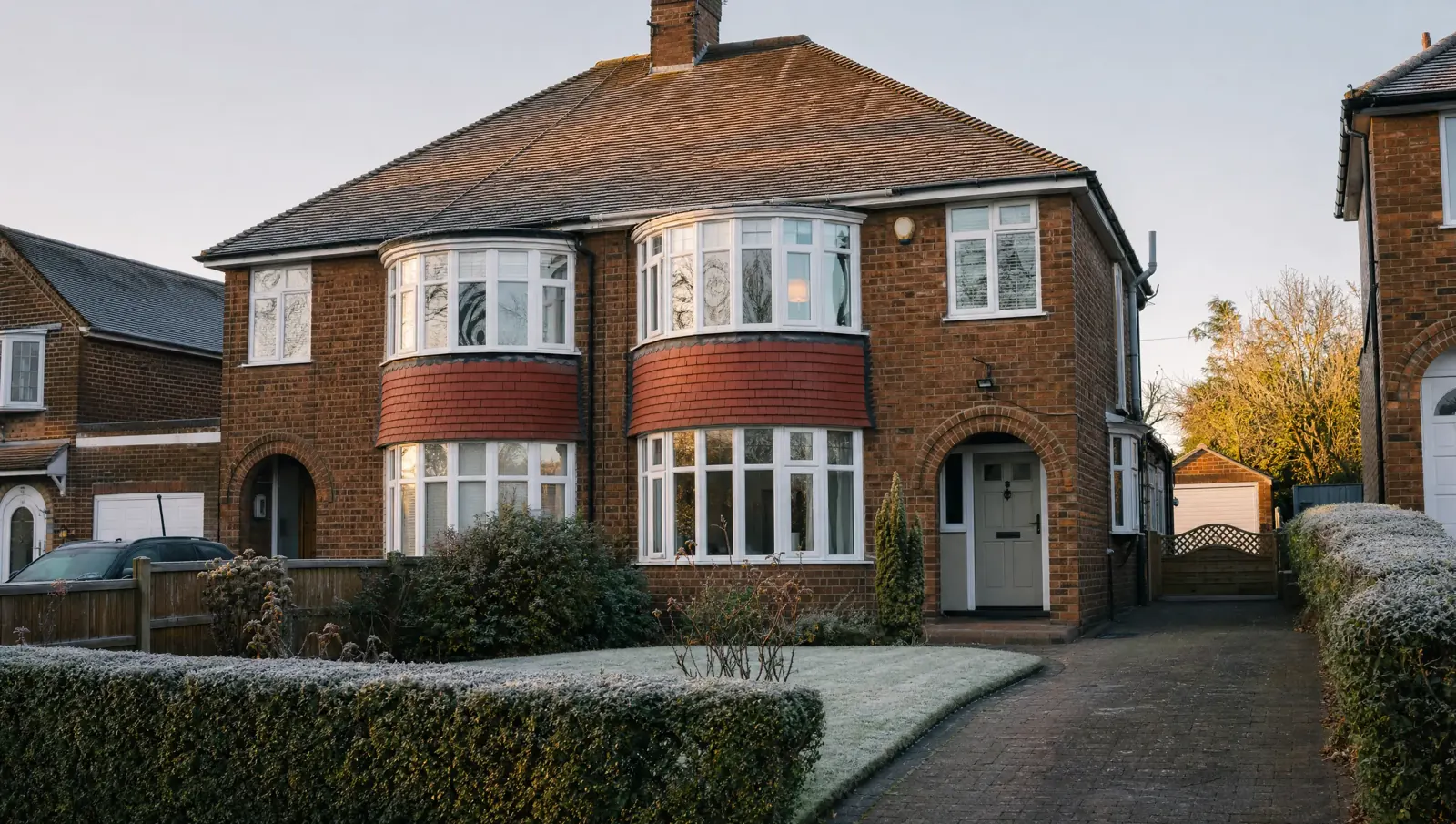
Most of my work is in 1930s semis around Walsall, Sutton Coldfield, Great Barr, Aldridge and Birmingham: solid 225mm brick, a bay window at the front and a cold back bedroom. If the bay is the worst spot, bay window insulation is often the first job. Local pages: internal wall insulation in Walsall and in Birmingham. For older houses read insulating a Victorian home.
To get a written quotation for your wall, get in touch and book a free home visit.
Common questions
How much does it cost to insulate one bedroom wall?
As a typical range, from about £2,000 for one external bedroom wall. A PIR system is usually £2,000 to £3,000 over 3 to 4 days, and a breathable wood fibre system with lime plaster around £3,000 over about 5 days. Windows, reveals and what needs moving change the figure, so the real price comes in a written quote after a free survey.
How much does internal wall insulation cost per m2?
I do not price per square metre, because the board is the cheapest part of the job. Reveals, corners, sockets, radiators, skirting and the plaster finish take most of the time. A wall with two windows costs more than a plain wall of the same size, so a per wall price after a survey is more honest.
Can I stay in the house while it is done?
Yes. Only the room being insulated is out of use, normally for 3 to 5 days per wall. Floors and furniture are protected, dust is contained and the work area is tidied every day. Most people carry on living or working from home around the job without much trouble.
Do radiators and sockets need moving?
Yes, on the insulated wall they come off and go back on the new surface. Sockets and switches are brought forward with deeper back boxes, radiators are re-hung on fixings into solid support, and skirting and window boards are refitted. I organise the electrician and plumber, so you deal with one person.
Does internal wall insulation cause condensation or damp?
It can if the wrong system is used or the edges are poorly detailed, which is why I survey and model the wall first. Existing damp is fixed before insulation goes on, reveals and junctions are carefully detailed and ventilation is checked. Done properly, it usually reduces condensation by warming the wall surface.
Do I need planning permission or building control?
Planning permission is not normally needed for insulating inside, unless the house is listed. Building regulations can apply when an external wall is renovated, so I tell you at the survey whether building control needs to be involved and what the target is for your wall.