Insulation
Didn't qualify for an insulation grant? Here's what you can do
Being turned down for a grant does not mean your cold house has to stay cold. Most funded insulation schemes are means-tested and aimed at particular households, so many working families do not qualify. You can still make the worst rooms warmer privately, in an order that suits your budget, and choose the system and the installer yourself.

Wojtek Pankowski, Retrofit AssessorUpdated 19 October 2026 · 8 min read
On this page 7 sections
- Why do so many people not qualify?
- Is a grant the only way to get a warmer house?
- What should I fix first for little money?
- Where should I spend if I can only afford one room?
- What are the private options for a cold wall?
- What should I ask any installer, funded or private?
- How do I find out what my house needs?
What can I do if I don't qualify for an insulation grant?
Fix the cheap things first: draught-proofing, loft insulation, radiators and ventilation. Then insulate the coldest walls privately, one room at a time if you like. Internal wall insulation starts from about £2,300 per wall, with PIR at £2,300 to £3,000 per wall and a breathable wood fibre and lime system around £3,000. You choose the system, the timing and the installer.
Why do so many people not qualify?
Because most funded schemes are designed for households on lower incomes, on certain benefits, or living in homes with a poor energy rating, and the rules decide who gets help. Schemes such as ECO4 and the Great British Insulation Scheme have been delivered through energy suppliers, and the work often goes through large installers working to the scheme's rules. Council schemes, where they exist, have their own criteria and limited budgets.
If you are working, own your home and your council tax band or income is above the line, you will often be told you are not eligible, even if your house is just as cold as one that is. Scheme names and rules change, so check the current position on gov.uk and your council's website rather than relying on an old leaflet. I do not arrange grants, and I cannot tell you whether you will qualify. What I can help with is what happens next.
Is a grant the only way to get a warmer house?
No. A grant is one way to pay for the work, not the only way to get it done. Plenty of homeowners in Walsall, Sutton Coldfield, Great Barr and Aldridge look at grants first, find they do not qualify or do not want to wait, and decide to fix the coldest rooms themselves.
Paying privately also gives you some things a funded scheme may not: you choose the system for your wall, you decide when the work happens, you can do one room at a time, and you deal with the person doing the work from survey to handover.
What should I fix first for little money?
Before you spend on walls, make sure the cheaper jobs are done. They are worth doing whatever happens next.
| Job | Rough cost | What it does |
|---|---|---|
| Draught-proof windows, doors, skirting gaps and the loft hatch | Low, often DIY | Stops cold air moving through the house |
| Top up loft insulation | Low to moderate | Cuts heat loss through the ceiling of the upstairs rooms |
| Bleed and balance radiators, check valves | Low | Makes sure heat actually reaches the cold rooms |
| Thermal lined curtains that stop at the sill | Low to moderate | Keeps radiator heat in the room, reduces chill from glass |
| Working extractor fans and open trickle vents | Low to moderate | Removes moisture so walls stay drier |
My guide to high heating bills explains where the heat goes in a typical house, and why a house feels cold covers the comfort side.
Where should I spend if I can only afford one room?
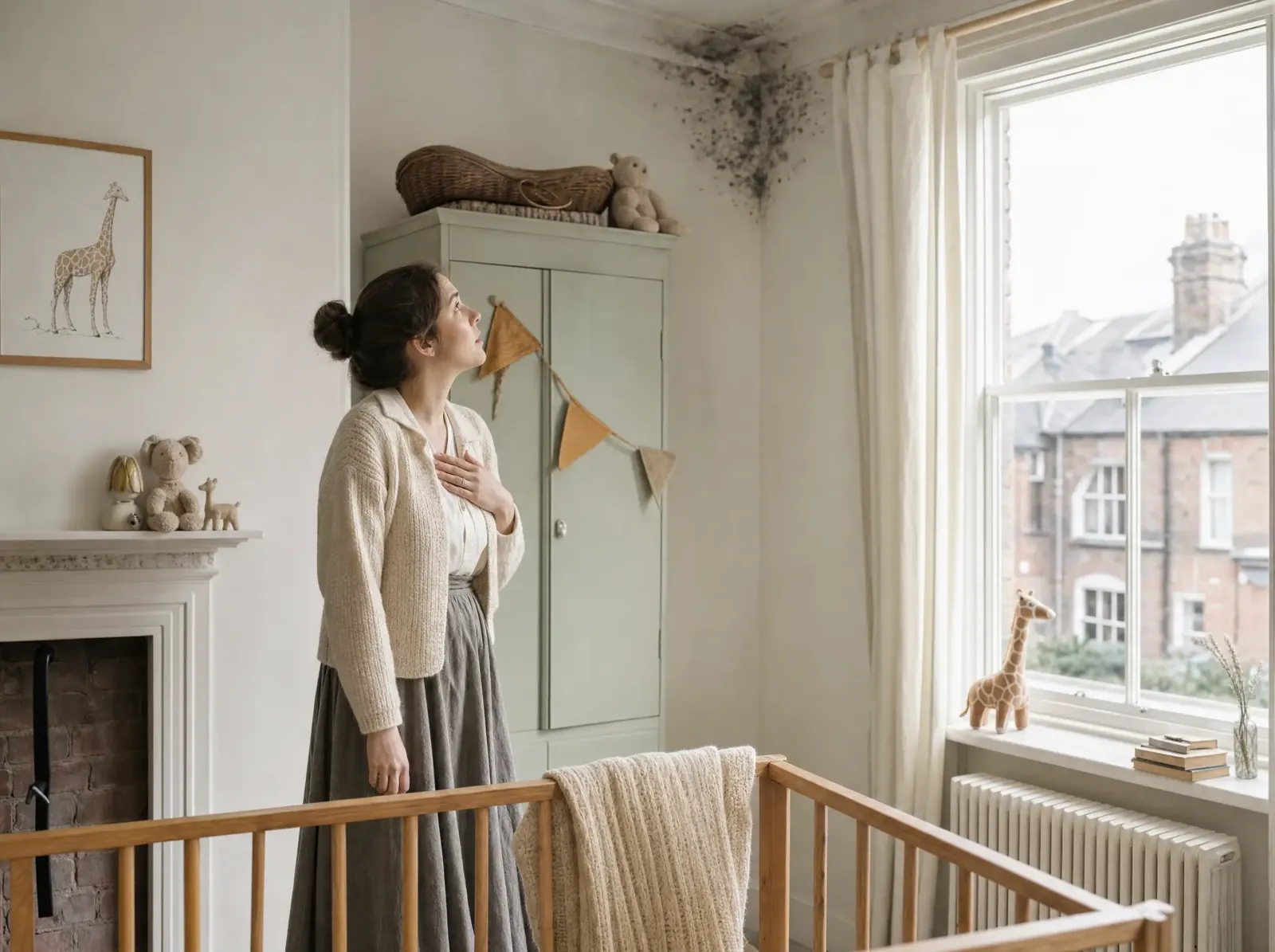
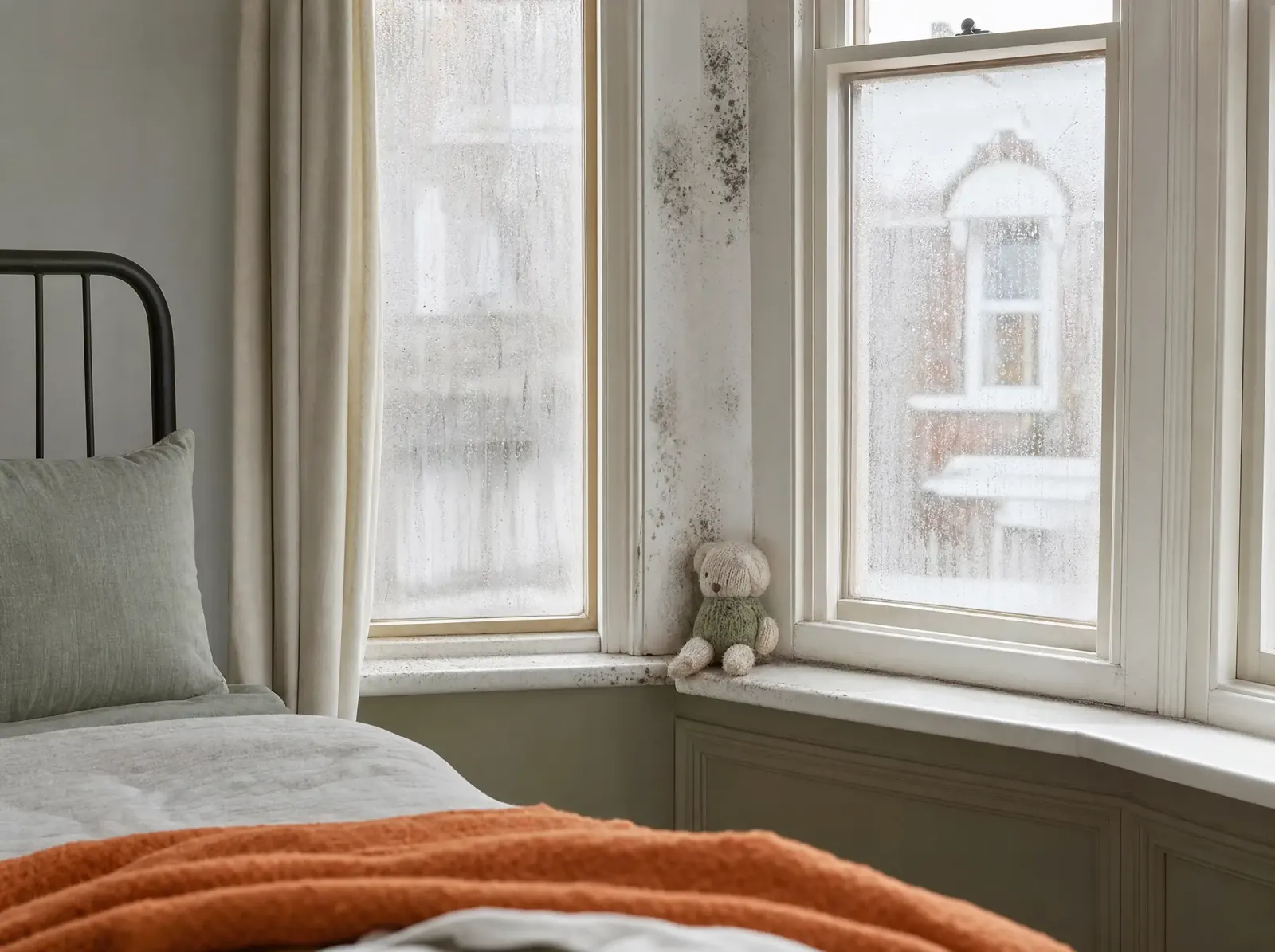
On the room that causes the most trouble. Usually that is a bedroom where mould comes back every winter, or the coldest bedroom with a bay or two outside walls. Insulating one room well does more for daily life than spreading the same money thinly across the house.
In my 1930s bedroom case study, two solid brick walls were insulated with wood fibre and lime. The estimated heat loss through those walls fell by about 71% and 60%, and the calculated inside surface temperature on a freezing day rose from about 14.5°C to about 18.4°C. The homeowner found the room warmed up more quickly and held its warmth longer. Those figures are estimates for the walls, not a measured change in the bill, but they show what one room can gain.
If you want to plan for later rooms too, read insulating a 1930s semi room by room.
What are the private options for a cold wall?
| Option | Thickness | Guide price and time | Suits |
|---|---|---|---|
| Internal cork coating | Millimetres | Written quotation after a visit | Walls only slightly too cold, corners, reveals |
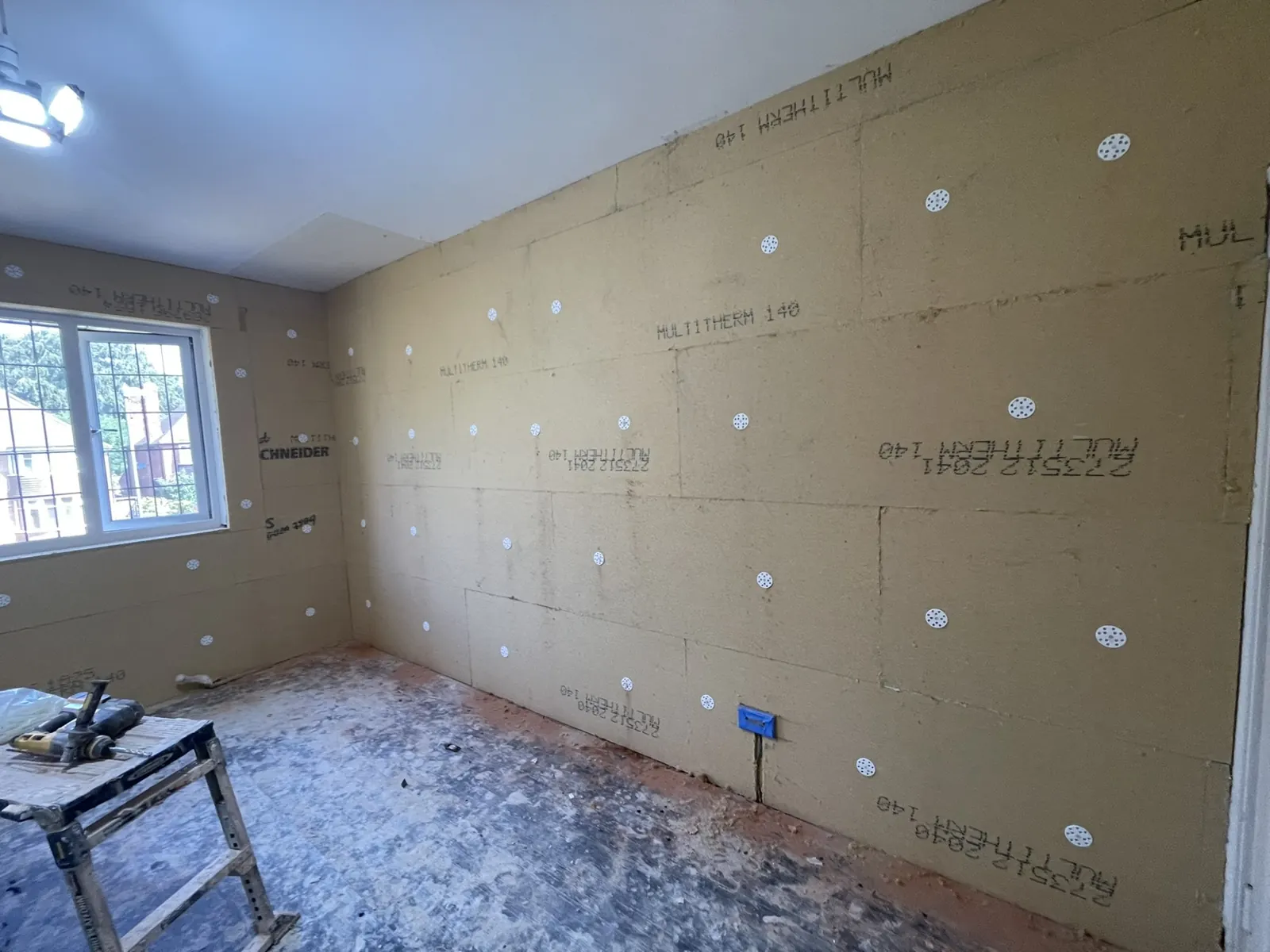
| PIR with PU adhesive | Slimmest full insulation | £2,300 to £3,000 per wall, 3 to 4 days | Rooms where space is tight and the wall is dry |
| Wood fibre and lime (breathable) | A little thicker | Around £3,000 per wall, about five days | Solid walls that need to keep drying out |
| Bay window insulation (PIR) | Fits the bay panels | From £2,300 | Cold front bedrooms and lounges with bays |
The finished wall comes out about 20mm to 80mm including plaster. The full comparison is in thermal plasterboard vs wood fibre vs PIR, and costs are explained in my internal wall insulation cost guide.
What should I ask any installer, funded or private?
Whoever does the work, the same questions protect you:
- Will you check the wall for damp and leaks before starting?
- Will you assess the moisture risk of the new wall build-up?
- Why this system for my wall, and not a breathable or a sealed one?
- How will you deal with window reveals, floor joists and the junctions with other walls?
- What ventilation does the room need afterwards?
- Who will I deal with on site, and who do I call if something is wrong later?
Funded schemes generally require work to follow the PAS 2035 retrofit standard, which includes an assessment of the house by a Retrofit Assessor. I am a Retrofit Assessor and a Domestic Energy Assessor, and on private work I still start with an assessment and a moisture check, because a wall insulated without one can end up with damp problems later.
How do I find out what my house needs?
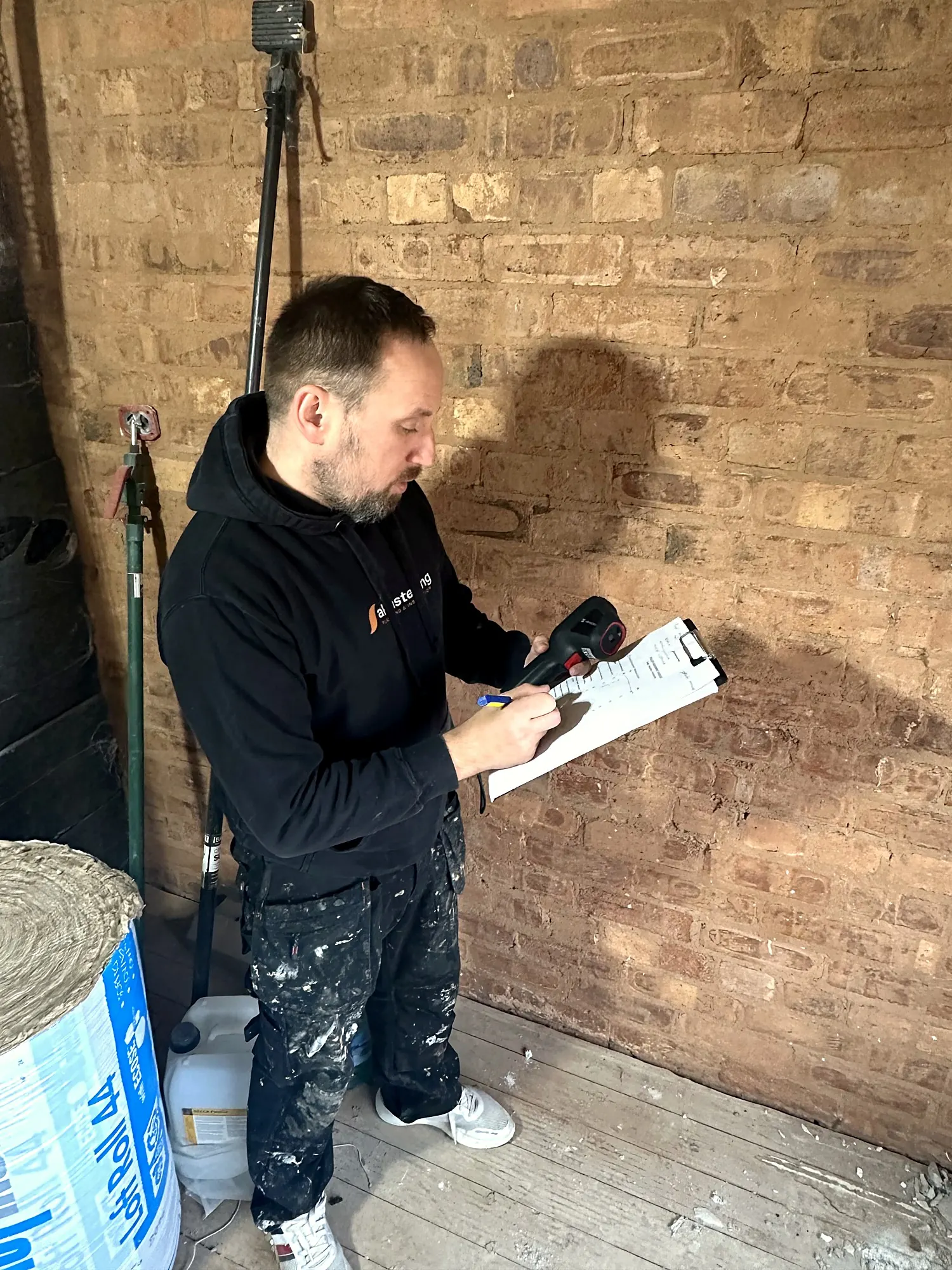
Book a free home visit. I look at the outside walls, check for damp and leaks, measure the cold rooms and talk through your budget. Then I suggest the most useful first step, which is sometimes not insulation at all, and put any quotation in writing. There is no pressure to go ahead.
You can read about my internal wall insulation work, download my free internal wall insulation buyer's guide, or get in touch.
Common questions
Can you help me apply for an insulation grant?
No, I do not arrange grants or work through funded schemes. My work is privately paid. If you think you might qualify, check gov.uk and your local council for current schemes and their rules before you decide.
Why was my neighbour able to get a grant and I wasn't?
Eligibility usually depends on the household as well as the house: income, benefits, council tax band and the property's energy rating can all play a part. Two identical houses can get different answers. Check the current criteria on gov.uk.
Is it worth paying privately for internal wall insulation?
If you have a cold solid wall room you want to use comfortably, or mould that keeps returning, it often is. Think of it mainly as comfort and a healthier room. The case study figures show a large cut in heat loss through the treated walls, but the effect on your bill depends on the whole house and how you heat it.
Can I insulate one room now and the rest later?
Yes. Internal wall insulation is done wall by wall, so room by room works well. I recommend planning the whole house first so the system and the junctions match when you do the next room.
Is there a cheaper option than full internal wall insulation?
Sometimes. Draught-proofing, loft insulation, ventilation and radiator fixes cost far less. For walls that are only slightly too cold, a thin cork coating can help. For a cold solid wall with recurring mould, full insulation is usually what fixes it.
Do I have to pay for the home visit?
No. The home visit is free, and you get a written quotation afterwards with no obligation to go ahead.