Insulation
One bedroom colder than the rest? Test it in one evening
When one bedroom stays colder than the others with the same heating, the cause is either the heat going in (the radiator) or the heat getting out (draughts, the window, the floor or the wall). You can tell which in one evening with a cheap thermometer and a bit of patience, before spending anything.

Wojtek Pankowski, Retrofit AssessorUpdated 19 October 2026 · 8 min read
On this page 8 sections
- Is it the heat going in or the heat getting out?
- How do I test the room in one evening?
- What do my numbers mean?
- Why does the room feel colder than the thermometer says?
- Which bedrooms are usually the cold ones?
- What can I do before winter for little money?
- How do I fix a bedroom with a cold wall?
- Can I insulate just that one bedroom?
Why is one bedroom colder than the rest of the house?
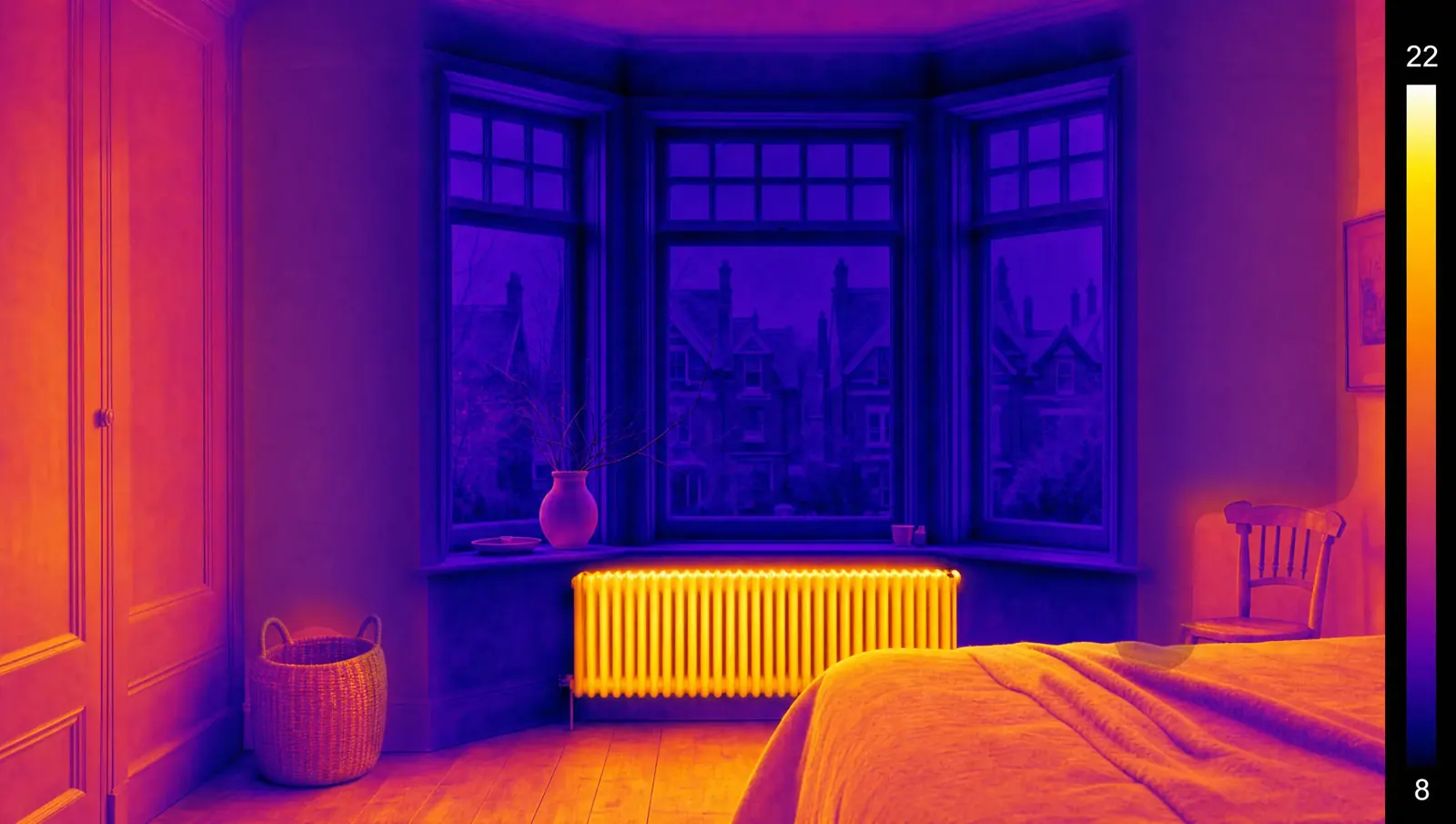
Usually because it has more cold surfaces than the others: two outside walls on a corner, a bay window, a floor over a porch or garage, or a ceiling under a poorly insulated loft. Sometimes it is simply a radiator that is too small or half full of air. If the air reaches temperature but the room still feels cold, the walls are the problem: an uninsulated solid brick wall can sit around 14.5°C on a freezing night.
Is it the heat going in or the heat getting out?
Every room settles at the point where the heat going in matches the heat getting out. A cold bedroom means one side of that balance is off. Either the radiator is not putting enough heat in, or the room is losing it faster than the other bedrooms.
The two have very different fixes. A radiator problem can cost almost nothing to sort. A room losing heat through solid walls needs those walls dealt with. So test before you buy anything, including a bigger radiator or a plug-in heater.
If the whole house feels cold, my wider guide on cold rooms in a house is a better starting point. This page is for the one bedroom that is always worse than the rest.
How do I test the room in one evening?
You need a digital room thermometer, ideally an infrared thermometer for surfaces (they cost little online), and a cold evening with the heating on as normal.
- Two hours after the heating comes on, feel the radiator. Hot at the bottom and cool at the top means air: bleed it. Hot at the top and cold at the bottom often means sludge. Cold all over means a stuck valve or a balancing problem.
- Check the valve. Is the thermostatic valve turned down, or covered by a curtain or a bed so it switches off early?
- Measure the air at bed height in the middle of the room, and in a warmer bedroom at the same time.
- Measure the surfaces with the infrared thermometer: an internal wall, the outside wall at chest height, the outside wall corners, the panel under the window, the window reveals and the floor.
- Hold the back of your hand near the window frame, the skirting on the outside wall, the loft hatch and around pipes coming through the floor. Moving cold air is a draught.
- Switch the heating off and check again an hour later. Note how fast each room drops.
Write the numbers down. They tell you most of what you need to know.
What do my numbers mean?
| What you found | What it usually means | First step |
|---|---|---|
| Radiator cool at the top or patchy | Air or sludge in the radiator | Bleed it; ask a heating engineer about a flush if it is cold at the bottom |
| Air never reaches the same temperature as other bedrooms | Radiator too small for the room, or a lot of heat loss | Ask a heating engineer to check the radiator size against the room |
| Air reaches temperature, but the outside wall reads 4°C or more below an internal wall | Cold wall: you lose heat to it and it feels chilly | Look at the wall: insulation or cork coating |
| Panel under the bay window much colder than the main wall | Thin, uninsulated bay panel | Bay window insulation |
| Cold air moving at skirting, window or hatch | Draughts | Draught-proofing, loft hatch seal |
| Floor much colder than other bedrooms | Room over a porch, garage or open passage | Insulating the floor or the ceiling below |
| Room drops much faster when heating goes off | High heat loss through walls, window or ceiling | Find the coldest surface and start there |
Most cold bedrooms show two or three of these at once. A corner bedroom with a bay and a weak radiator is common in 1930s semis.
Why does the room feel colder than the thermometer says?
Because your body loses heat to the surfaces around you, not just to the air. Sit next to a wall at 14°C and you feel the chill even when the thermometer on the shelf says 20°C. It is the same reason a room with a big cold window feels uncomfortable however high you turn the thermostat.
This is why people with a cold bedroom often turn the heating up, pay more, and still feel cold. In my 1930s bedroom case study the calculated inside surface of the solid brick wall went from about 14.5°C to about 18.4°C after insulation, on a 0°C day with the room at 20°C. The homeowner described the room as warming up more quickly and holding its warmth for longer. A warmer wall is what changes how the room feels.
Which bedrooms are usually the cold ones?
In the houses I see most, around Walsall, Great Barr, Erdington and Sutton Coldfield, it is usually one of these:
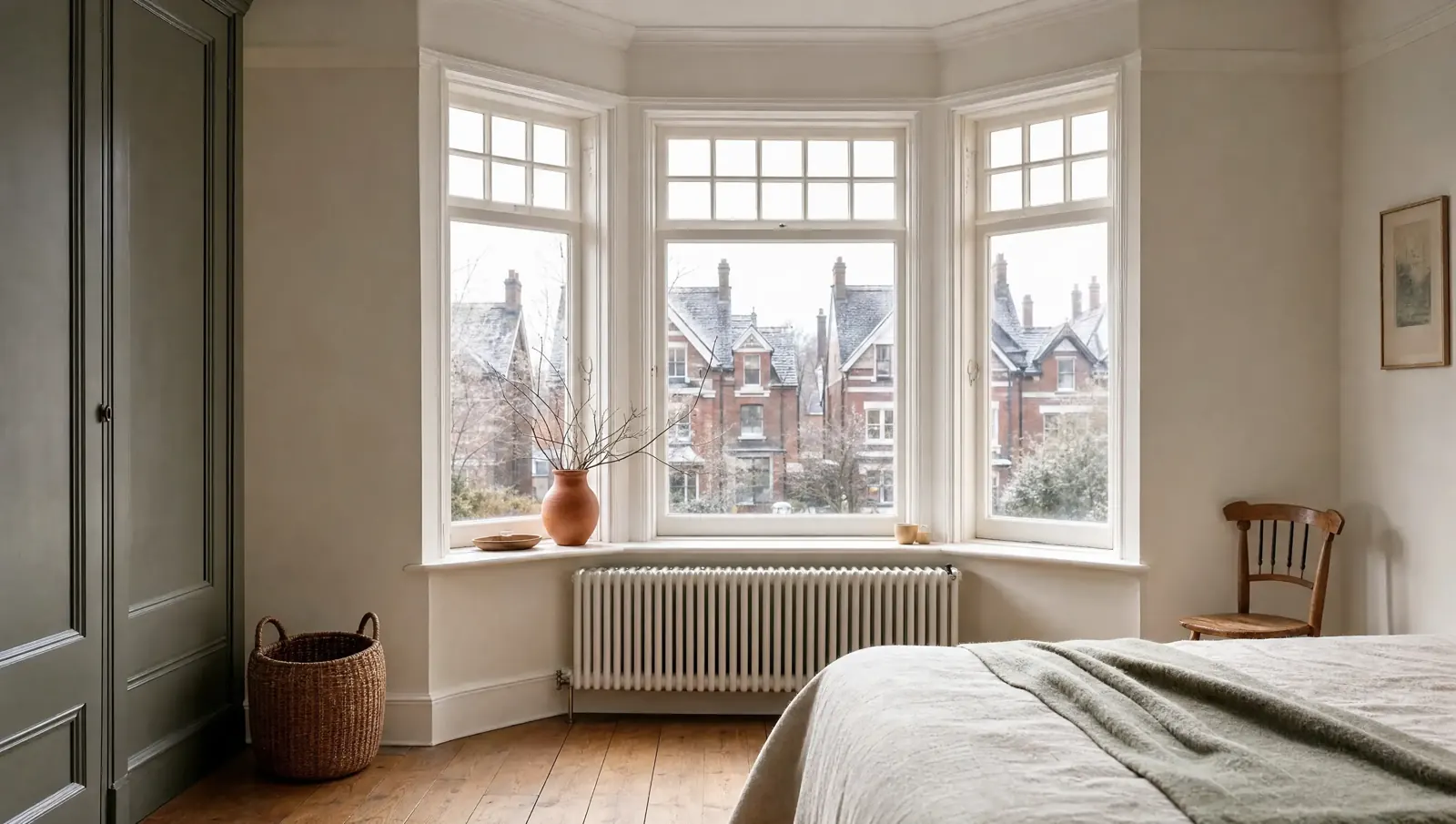
- The front bedroom with a bay. Three sides of glass and a thin panel underneath. See why bay windows are so cold.
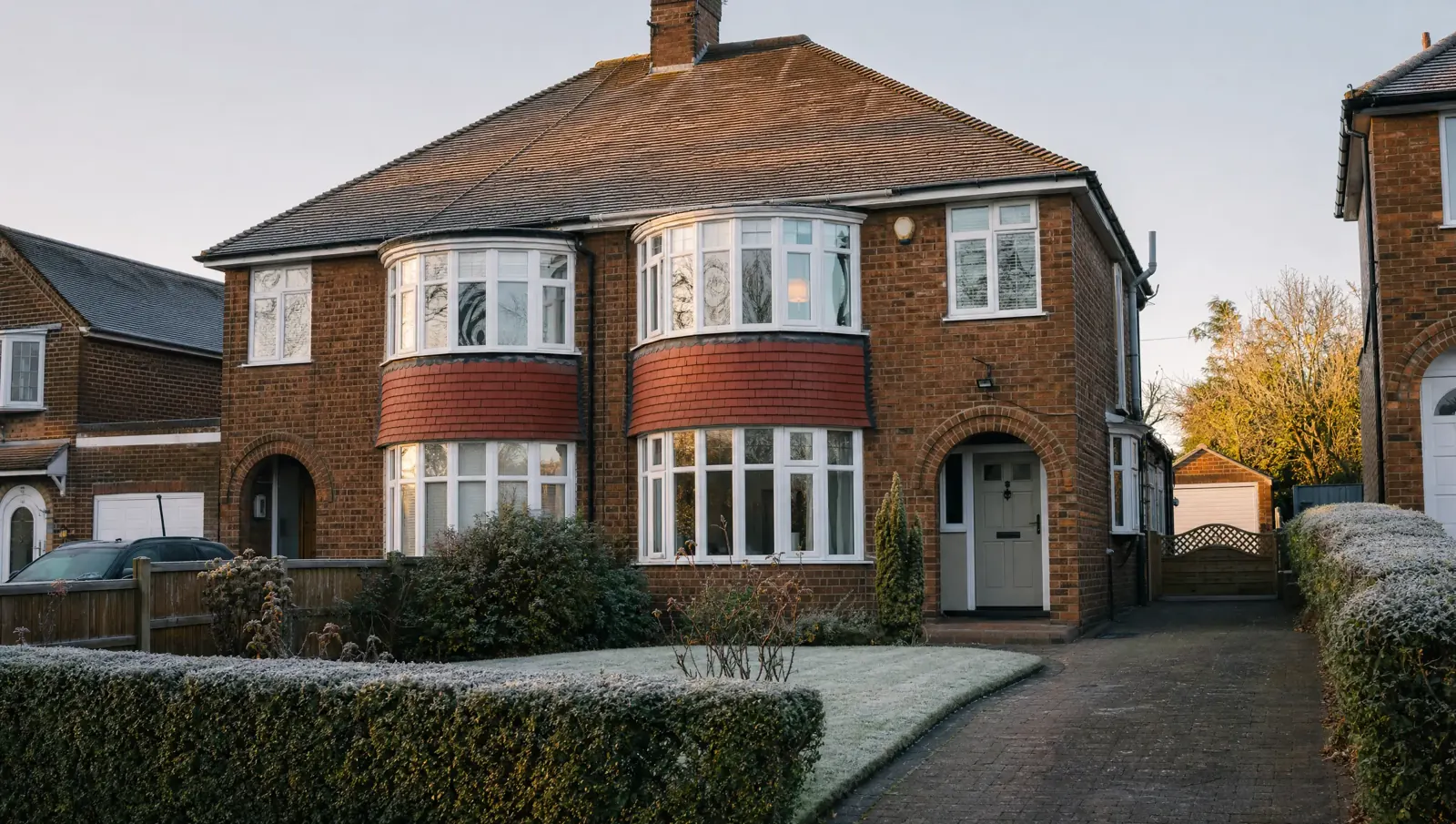
- The corner bedroom on the side of a semi, with the gable wall and the back wall both outside.
- The box room over the hall or porch, small but with a lot of outside wall and sometimes a cold floor.
- A bedroom over an integral garage or a single storey extension, with cold air below.
- A north-facing back bedroom that never gets winter sun on the wall.
The party wall shared with the neighbours is almost never the cold one, because there is a heated house on the other side.
What can I do before winter for little money?
- Bleed and balance the radiators, and move the bed or curtains off the radiator and its valve.
- Fit thermal lined curtains that stop at the sill, so the radiator's heat goes into the room, not behind the curtain.
- Draught-proof the window, the skirting gap and the loft hatch.
- Check the loft above that room: insulation is sometimes thin or missing over one bedroom.
- Keep the room at a steady low heat rather than off, so the walls do not cool right down.
If the room is better after that, you may not need any building work. If the outside wall still reads several degrees colder than the internal wall, the wall itself is the problem, and no amount of extra heat will change that cheaply. My guide on high heating bills explains where the money goes.
How do I fix a bedroom with a cold wall?
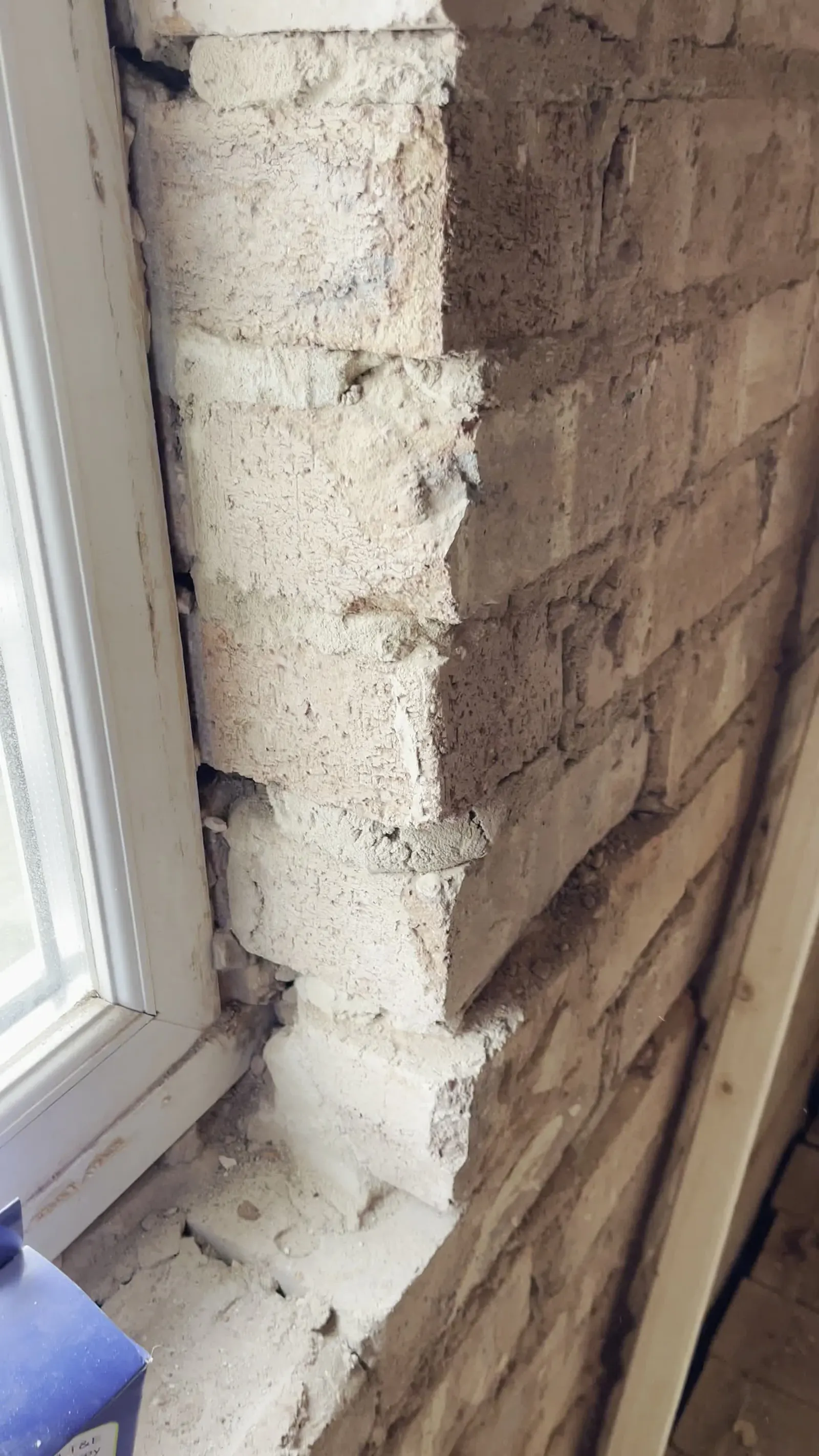
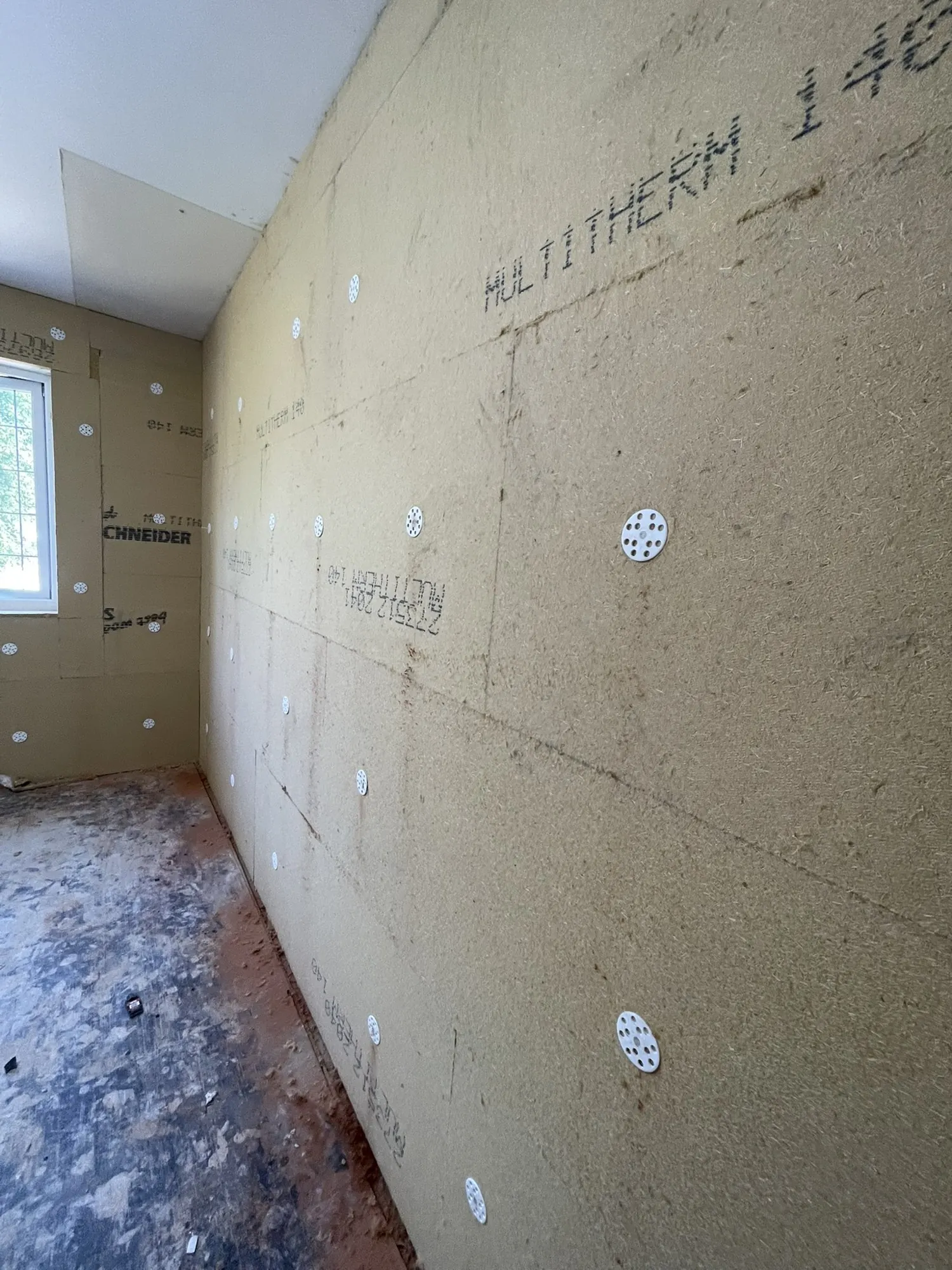
By putting a layer of insulation on the inside of the outside wall, finished with plaster so the room looks as it did. I choose the system after measuring the wall and running a moisture check:
| System | Typical time per wall | Guide price |
|---|---|---|
| PIR insulation board with PU adhesive | 3 to 4 days | £2,300 to £3,000 |
| Breathable wood fibre with lime plaster | about five days | around £3,000 |
| Bay window with PIR | depends on the bay | from £2,300 |
The finished wall comes out about 20mm to 80mm, including plaster. The full comparison of materials is in thermal plasterboard vs wood fibre vs PIR, and my internal wall insulation page shows how the work is done. Every price is confirmed in a written quotation after a free home visit.
Can I insulate just that one bedroom?
Yes. Room by room is possible, and starting with the coldest bedroom is often the most sensible use of the money. I do recommend thinking about the whole house when you plan it, so the details where one room meets the next are done once and done properly. I explain how in insulating a 1930s semi room by room.
If you would like me to look at the room, book a free home visit. Bring your numbers from the test, they help.
Common questions
Should I just get a bigger radiator for the cold bedroom?
Only if the test shows the radiator really is too small. A bigger radiator puts more heat in, but if the walls are cold you will pay to heat them and the room will still feel chilly near them. Check the radiator, the draughts and the wall temperatures first, then decide.
What temperature should a bedroom be?
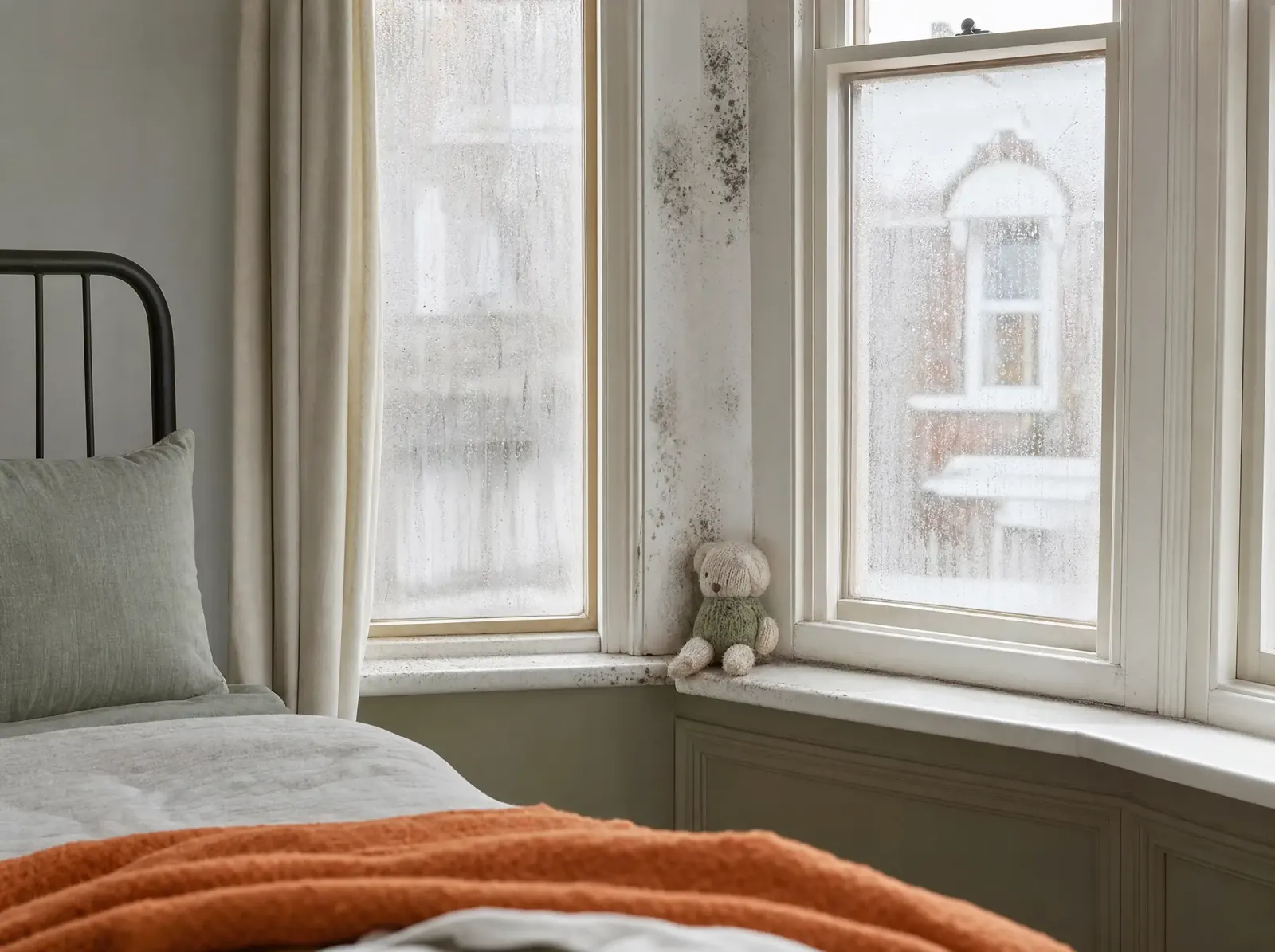
Many people sleep well with the bedroom somewhere around 16°C to 18°C, and babies are often kept in a similar range. What matters as much is the wall surface: if the walls are much colder than the air, the room feels uncomfortable and condensation becomes likely.
Is an infrared thermometer accurate enough?
For this test, yes. You are comparing surfaces in the same room at the same time, so the differences matter more than the exact figures. Shiny surfaces such as glass and metal can read oddly, so measure painted walls and use the readings as a guide.
Why is the bedroom above the porch so cold?
Because it often has cold on more sides than the other bedrooms: an outside wall at the front, sometimes a side wall, and a floor or part of a floor above an unheated porch or hall. Check the floor temperature during the test. If it is much colder than elsewhere, the floor or the ceiling below needs looking at.
Will insulating one wall make a real difference?
If that wall is the main cold surface, yes. In my case study the calculated heat loss through the treated walls fell by about 71% and 60%, and the room warmed up faster and held its warmth longer. Those are estimates for the walls, not a measured change in the heating bill.
How much space will I lose?
Usually about 20mm to 80mm off the wall, including plaster, depending on the system. In a typical bedroom that is barely noticeable once the furniture is back. I mark the finished line during the visit so you can see it.